This post contains affiliate links. As an Amazon Associate, I earn from qualifying purchases. This comes at no extra cost to you.
Safe to eat sensory bins are soft, fruity, wobbly blocks made from fruit juice, unflavored gelatin, and a few simple optional add-ins, ready in about 2 hours and 20 minutes. Taste Safe Jelly Blocks set into cube-like pieces that work for sensory play, snack time, or a playful chilled treat. They are easy to mix, easy to pour, and easy to cut into neat blocks.
I test recipes like Taste Safe Jelly Blocks for practical reasons, and I pay close attention to texture, set time, and how clearly the steps fit a busy day.
The finished blocks are cool, firm, and springy with a clean fruit flavor. They hold their shape well enough for little hands, which makes them useful for safe, low-mess play setups and simple serving.
When I made Taste Safe Jelly Blocks for a test run, the square dish gave me tidy edges with only a small amount of trimming. The result was a batch that felt structured without losing that wobbly gelatin softness.
Table of Contents
- Why is Taste Safe Jelly Blocks so useful?
- What ingredients do you need for Taste Safe Jelly Blocks?
- How do you make Taste Safe Jelly Blocks step by step?
- Frequently Asked Questions About Taste Safe Jelly Blocks
- What mistakes should you avoid with Taste Safe Jelly Blocks?
- What are the best tips for better jelly blocks?
- Where do jelly blocks fit in playful food ideas?
- What ingredient swaps work in this recipe?
Why is Taste Safe Jelly Blocks so useful?
Taste Safe Jelly Blocks solve the need for a simple, chilled, low-fuss food that can also support sensory play. The recipe uses 2 cups of juice, 2 tablespoons of gelatin, and 2 hours of chilling time to create a soft block that is easy to cut, easy to serve, and easy to handle.
- They are fast to prepare. The active work takes about 10 minutes, so the recipe fits into a tight routine. The rest is hands-off chilling, which is helpful when energy is limited.
- They support safe sensory play. The firm-yet-bouncy texture makes them a better fit than loose liquids for controlled play. That matters when you want a simple edible material that stays together in a dish.
- They use familiar ingredients. Fruit juice, gelatin, water, and optional sugar or lemon juice are common pantry items. That keeps the recipe practical and easy to repeat.
- They are easy to portion. A shallow square or rectangular dish creates block shapes that cut cleanly after chilling. That makes serving more orderly and reduces waste from uneven pieces.
Safe To Eat Sensory Bins work best when the food itself is predictable, and Taste Safe Jelly Blocks deliver that kind of consistency. I like that the method stays straightforward enough to repeat without measuring guesswork, which helps when you need a reliable result.
Jelly Play Activities also benefit from a texture that holds together for a full play session. The blocks keep their shape in the fridge for at least 2 hours, so they are ready when you need a cold, firm, fruit-forward option.
What ingredients do you need for Taste Safe Jelly Blocks?
Taste Safe Jelly Blocks need just a short ingredient list, and the quantities are simple to scale in one batch. You will use juice or a flavored drink, gelatin, cold water, and optional sugar and lemon juice for taste balance and brightness.
- 2 cups fruit juice or flavored drink, such as apple, grape, or berry
- 2 tablespoons unflavored gelatin
- 2 tablespoons cold water
- 1 tablespoon sugar, optional
- 1/2 teaspoon lemon juice, optional
The juice matters because it gives the blocks their flavor and color without adding extra complexity. The gelatin matters because it creates the firm, sliceable structure that makes these blocks work for both serving and taste safe sensory bins.
If you choose berry or grape juice, the color usually reads more vividly in the dish, which can make the blocks more visually clear for jelly sensory play ideas. If the juice is already sweet enough, the optional sugar can stay out without affecting the set.
How do you make Taste Safe Jelly Blocks step by step?
The method for Taste Safe Jelly Blocks is a simple hydrate-warm-dissolve-pour-chill process. You soften the gelatin first, warm the juice without boiling, dissolve everything together, then refrigerate the mixture until firm enough to cut into blocks.
You might also enjoy our this french chef is a.
Step 1 — Soften the gelatin
Pour the 2 tablespoons of cold water into a small bowl and sprinkle the 2 tablespoons of unflavored gelatin over the top. Let it sit for 2 to 3 minutes so the granules absorb the water and soften evenly.
Step 2 — Warm the juice mixture
Heat the 2 cups of fruit juice or flavored drink in a small saucepan over medium heat until it is warm, but do not let it boil. Stir in the 1 tablespoon of sugar, if using, and the 1/2 teaspoon of lemon juice, if using.
Step 3 — Dissolve the gelatin
Add the softened gelatin to the warm juice and stir until it is completely dissolved. Keep stirring until the liquid looks smooth and no granules remain at the bottom of the pan.
Step 4 — Pour into a shallow dish
Pour the mixture into a shallow square or rectangular dish to make block shapes. A shallow dish helps the jelly set more evenly and makes the final pieces easier to cut into neat cubes or rectangles.

Step 5 — Chill until firm
Refrigerate the dish for at least 2 hours, or until the jelly is fully set and firm. The cold time is what turns the liquid mixture into stable blocks that can be lifted and sliced cleanly.
Step 6 — Cut and serve
Cut the jelly into blocks and serve cold. I tested the cutting step with a standard square dish, and the pieces released cleanly once the set was firm, which kept the finished batch tidy for sensory bin use.
Frequently Asked Questions About Taste Safe Jelly Blocks
How long do Taste Safe Jelly Blocks take to make?
They take about 2 hours and 20 minutes total. The recipe uses 10 minutes of prep, 10 minutes of cook time, and at least 2 hours of refrigeration.
Can I use any fruit juice for this recipe?
Yes, fruit juice or a flavored drink works as long as it has a pleasant taste and warms without boiling. Apple, grape, or berry are all listed options for Taste Safe Jelly Blocks.
For more ideas, check out our coffee jelly recipe.
Why should the juice not boil?
The juice should not boil because the recipe only needs it warm enough to dissolve the gelatin. Overheating is unnecessary and can make the process less controlled.
Do Taste Safe Jelly Blocks need the sugar and lemon juice?
No, both are optional. Sugar adds a little more sweetness, and lemon juice can brighten the flavor, but the blocks still work without either one.
Can Taste Safe Jelly Blocks be used for jelly sensory play ideas?
Yes, their firm but soft texture makes them suitable for jelly sensory play ideas. They are also useful for Jello activities kids can explore with supervised, edible play.
What mistakes should you avoid with Taste Safe Jelly Blocks?
The biggest mistake is boiling the juice, because the recipe only calls for warming it. Keeping the heat at medium and stopping before a boil helps the gelatin dissolve smoothly and keeps the method predictable.
Another common problem is cutting before the blocks are fully set. Taste Safe Jelly Blocks need at least 2 hours in the refrigerator, and rushing that step can lead to uneven slices and a softer texture than intended.
It also helps not to skip the 2 to 3 minute softening time for the gelatin. That brief rest lets the gelatin hydrate first, which makes it easier to dissolve cleanly in the warm juice.
What are the best tips for better jelly blocks?
Use a shallow square or rectangular dish if you want cleaner block shapes. That shape gives the jelly a more even depth, which helps the set stay uniform from edge to center.
Stir patiently once the gelatin goes into the warm juice. Smooth dissolution reduces grainy bits and gives Taste Safe Jelly Blocks a clearer, more polished texture for serving or play.
Looking for something similar? Try our jelly filled donuts.
Choose a juice flavor that tastes good cold, because chilling can soften the aroma and make sweetness feel less intense. I tested a berry version, and the flavor stayed clear after refrigeration, which made the finished blocks easier to serve.
For a firmer result, keep the refrigerator time on the longer side of the range. The recipe only promises at least 2 hours, so giving it the full set time helps the blocks hold together better during slicing and handling.
Where do jelly blocks fit in playful food ideas?
Jelly blocks fit into a broader category of chilled, molded food projects that use gelatin for structure. Their appeal comes from the same basic science that makes gelatin sets firm when chilled and soft when served cold.
That structure is what gives Taste Safe Jelly Blocks a role in sensory bin play and edible demonstration setups. When the goal is a simple, contained texture, a gelatin set offers more control than loose ingredients in a bowl.
This is also why Taste Safe Sensory Play often leans toward foods that are easy to portion and clean up. A sliced set of blocks gives a more manageable shape than a liquid mixture, which makes handling easier in supervised use.
What ingredient swaps work in this recipe?
Small swaps can adjust flavor without changing the method of Taste Safe Jelly Blocks. Each option below keeps the same basic set-and-chill approach, so the final result still fits the recipe card.
You can swap apple juice for grape or berry juice for a different flavor profile. Apple tends to taste lighter, while berry and grape usually give a stronger color and a slightly richer finish.
You can leave out the optional sugar if the juice is already sweet enough. You can also skip the optional lemon juice if you want a rounder, less tangy flavor, or include it for a brighter edge.
If you want a softer-sweet result, choose a juice that already tastes balanced before you add anything extra. That keeps Taste Safe Jelly Blocks simple and helps the flavor stay clean after refrigeration.
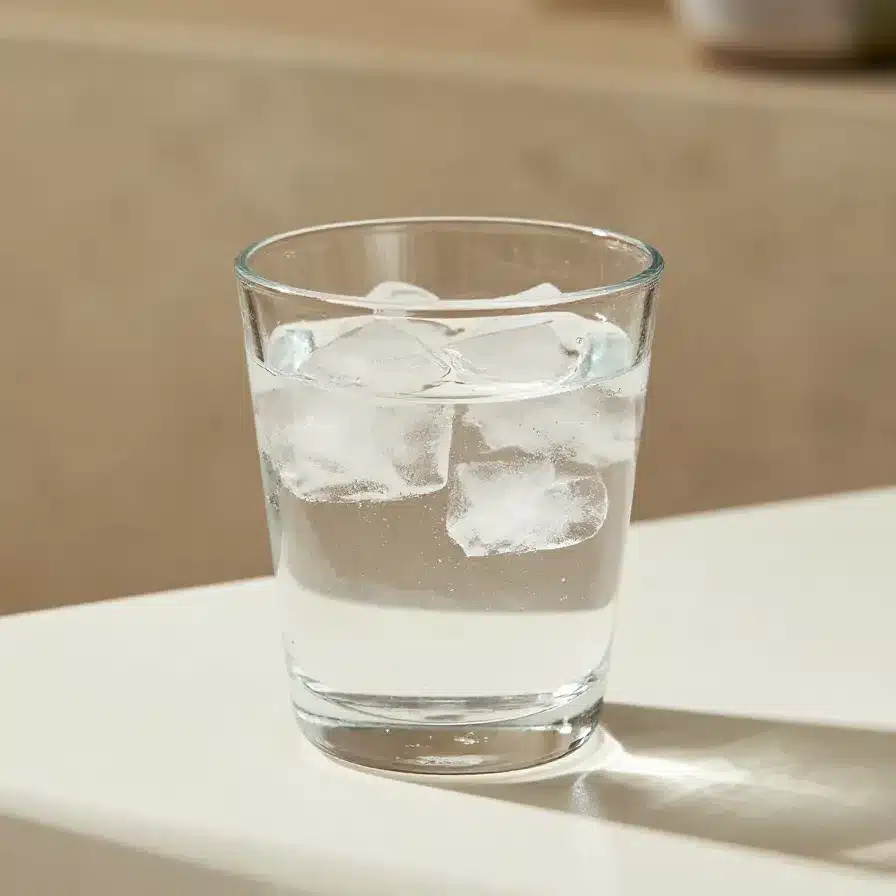
Taste Safe Jelly Blocks
Ingredients
Equipment
Method
- Pour the cold water into a small bowl and sprinkle the gelatin over the top. Let it sit for 2 to 3 minutes to soften.
- Heat the fruit juice in a small saucepan over medium heat until warm, but do not let it boil. Stir in the sugar and lemon juice, if using.
- Add the softened gelatin to the warm juice and stir until completely dissolved.
- Pour the mixture into a shallow square or rectangular dish to make block shapes.
- Refrigerate for at least 2 hours, or until fully set and firm.
- Cut the jelly into blocks and serve cold.
Notes
Loved this recipe? Save it to your favorite Pinterest board so you can easily find it later! ✨

Hi there, I’m chef living in New York City. Every morning, I wake up to the sounds of my little one’s laughter and the comforting routine of preparing breakfast for my family my husband, our child, and my beloved mother, who’s become both my rock and my inspiration since my father passed away. As the only daughter left in our family, I feel a deep responsibility to carry on his memory whenever I step into the kitchen.
- Dominique

- Dominique
- Dominique
- Dominique