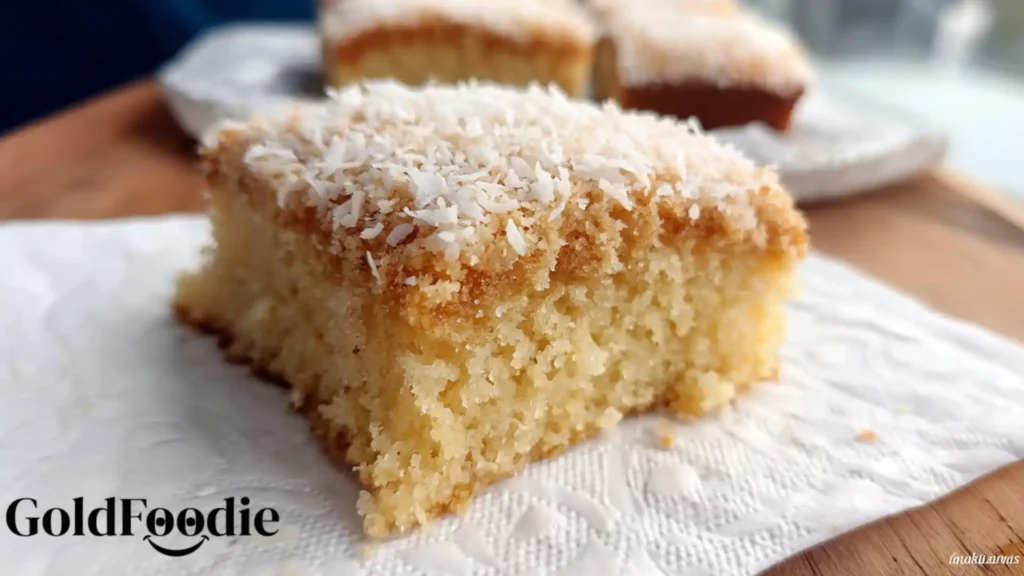
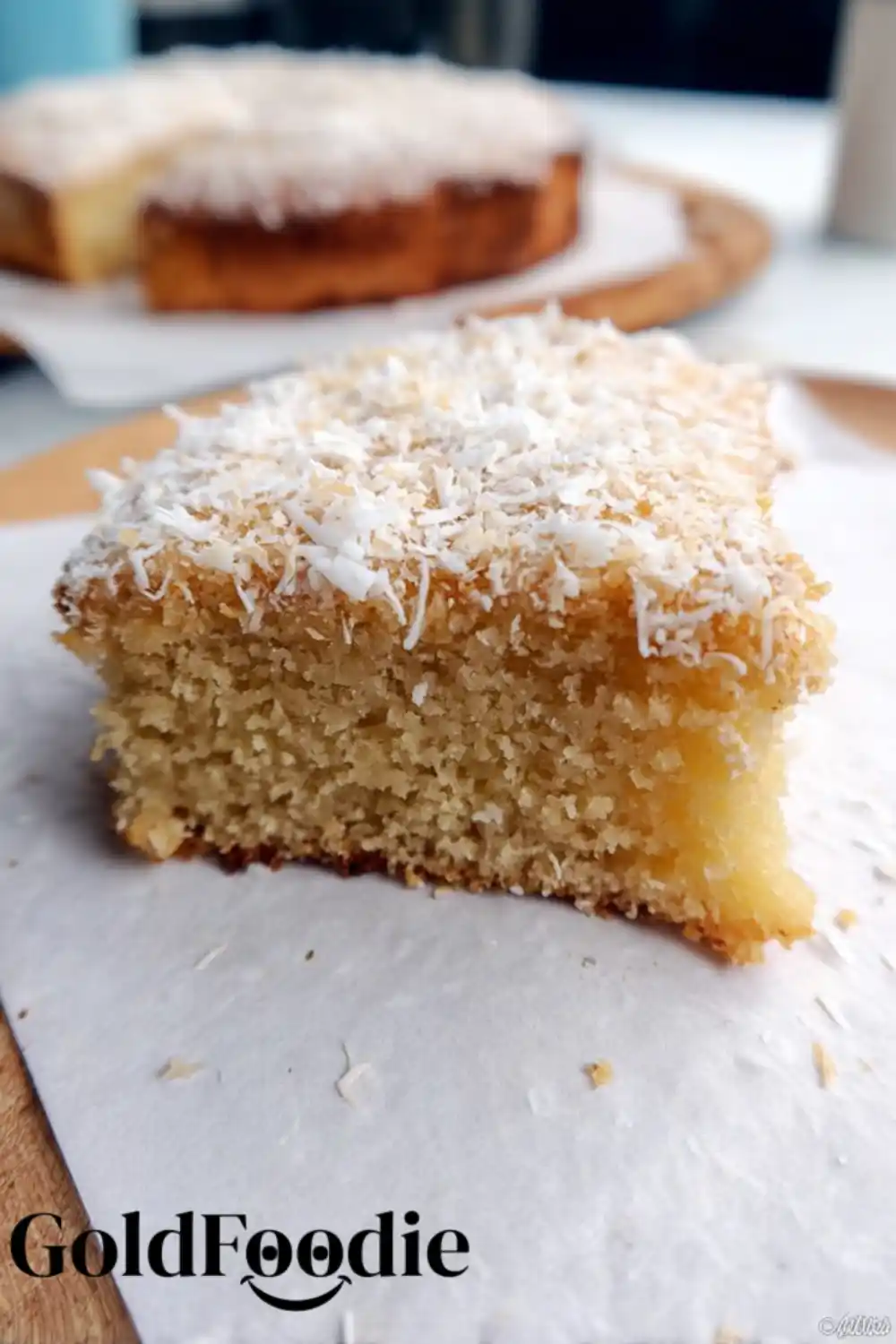
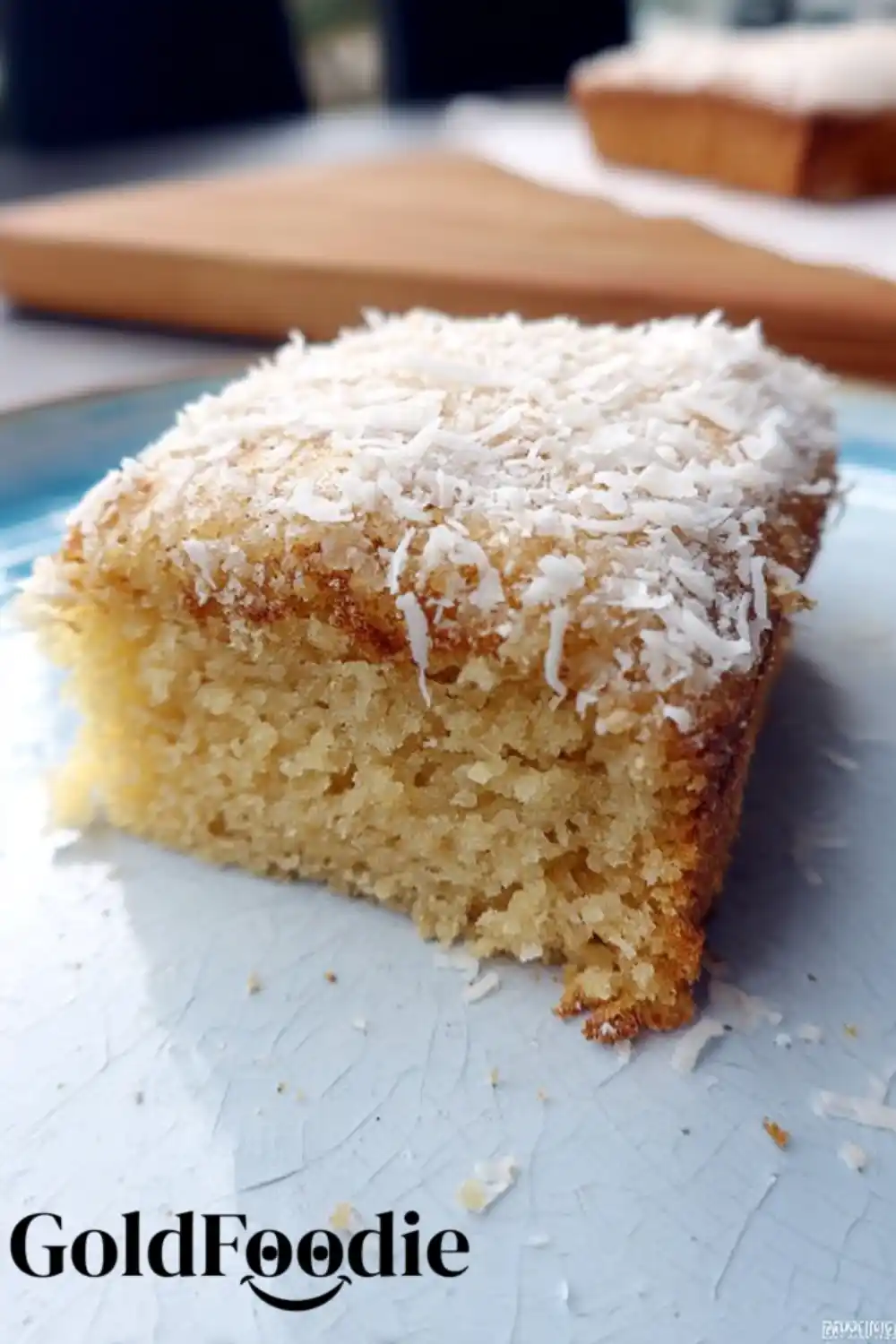
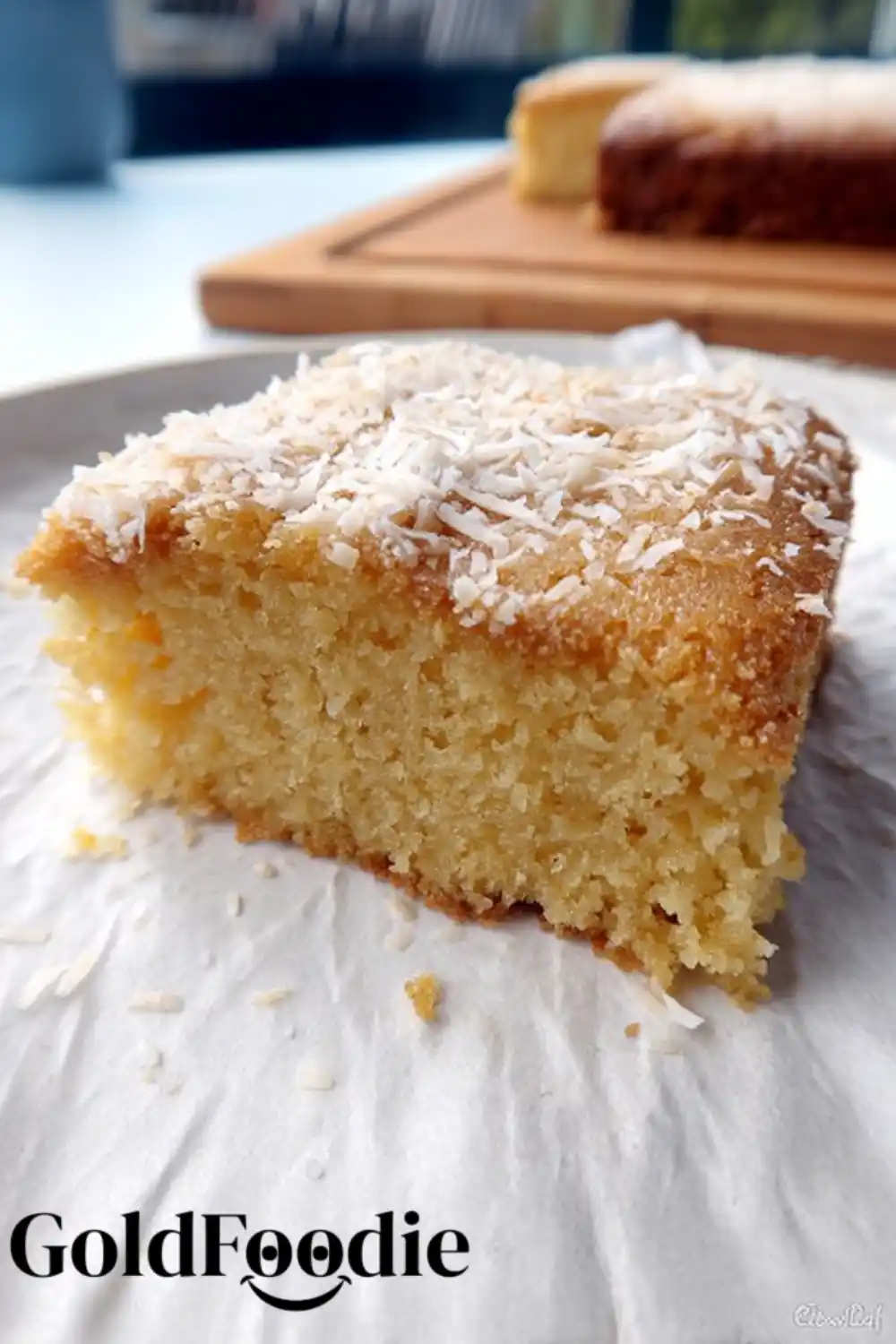
Step into a kitchen filled with warmth and the comforting aroma of these wonderful Portuguese Coconut Cakes. Known as Bolo de Coco Húmido, this cake offers a beautifully moist texture that sets it apart. These cherished cakes are a staple in Portuguese homes and bakeries. This recipe simplifies the process, allowing you to recreate this beloved treat with ease.
Table of Contents
Why You’ll Love These Portuguese Coconut Cakes
Bringing a taste of Portugal into your home is a rewarding experience. These Portuguese Coconut Cakes offer a genuine connection to heritage and family. You will find joy in preparing them for your loved ones.
- The baking process is straightforward and approachable for all skill levels.
- The texture is wonderfully moist, promising a satisfying bite every time.
- They strike a lovely balance of sweetness with a pronounced coconut flavor.
- These cakes are a fine choice for gatherings, picnics, or a simple family treat.
- Prepare to enjoy an authentic taste of Portuguese culinary tradition.
Ingredients
Gathering your ingredients is the first step toward baking these lovely Portuguese Coconut Cakes. Precision in measurements helps ensure the cake’s signature texture and flavor.
Wet Ingredients:
- Brown Sugar: 180g
- Unsalted Butter: 125g, softened
- Eggs: 3, separated into yolks and whites
- Milk: 300ml, for soaking (heat until very hot)
Dry Ingredients:
- All-Purpose Flour: 195g
- Shredded Coconut: 50g, plus extra for sprinkling
- Salt: A pinch
Additional:
- Butter: For greasing the pan
- Non-stick paper: For lining the pan
Notes & Substitutions
Brown sugar contributes a deeper, caramel-like flavor and additional moisture compared to white sugar. You can substitute with white granulated sugar if needed, but brown sugar is preferred for depth. For a dairy-free option, use a neutral oil like canola or melted coconut oil instead of butter in equal measure.
Sweetened shredded coconut will make the cake sweeter; adjust sugar if using unsweetened. To make this cake gluten-friendly, substitute the all-purpose flour with a 1:1 gluten-free baking blend that contains xanthan gum.
Equipment
Having the right tools ready makes the baking process smoother and more enjoyable. You likely have most of these items in your kitchen already.
- Large Mixing Bowls: Two or three for separate mixtures.
- Electric Mixer or Whisk: Essential for creaming and whipping.
- Square Baking Pan: A 20×20 cm (8×8 inch) pan works well.
- Parchment Paper: For lining the baking pan.
- Measuring Cups and Spoons: For accurate ingredient portions.
How To Make Portuguese Coconut Cakes
Creating these Portuguese Coconut Cakes is a journey of simple steps leading to a beautiful outcome. Follow these instructions carefully, and soon you will enjoy a taste of Portugal.
Step 1: Prepare the pan.
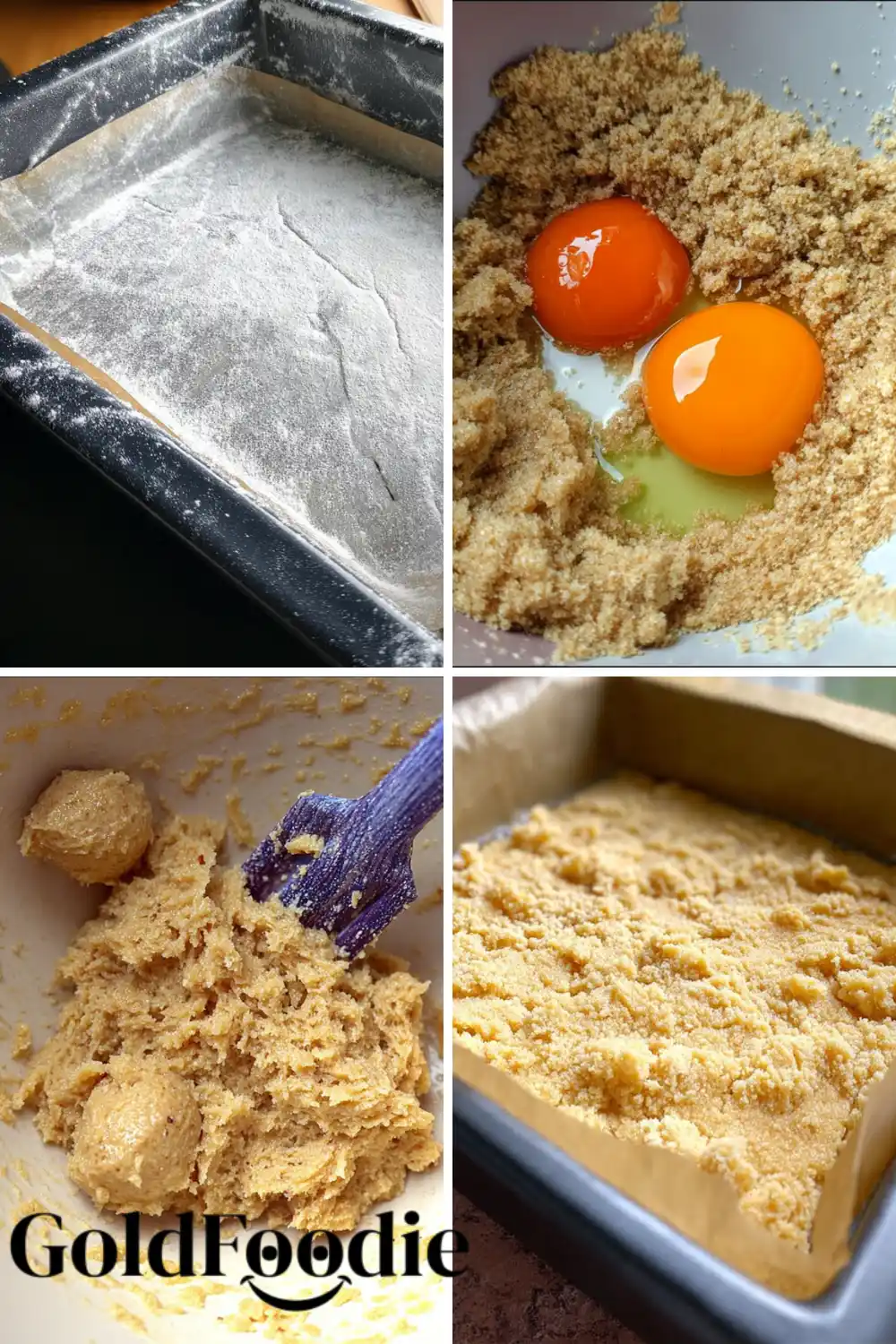
Preheat your oven to 180°C (350°F). Grease a square baking mold thoroughly with butter. Line the bottom and sides with non-stick parchment paper, ensuring it sits flat. This preparation prevents sticking and helps your cake release cleanly.
Step 2: Cream butter and sugar.
Place the softened butter and brown sugar into a large mixing bowl. Whisk these ingredients together until the mixture becomes light, fluffy, and creamy. An electric mixer makes this process quicker. This step incorporates air, contributing to the cake’s texture.
Step 3: Add egg yolks.
Carefully separate the egg whites from the yolks. Add only the three egg yolks to the creamed butter and sugar mixture. Whisk until the yolks are fully incorporated and the mixture is smooth and uniform in color. Reserve the egg whites for the next step.
Step 4: Whisk egg whites.
In a separate, clean bowl, whisk the reserved egg whites. Continue whisking until they form stiff peaks. When you lift the whisk, the peaks should hold their shape without collapsing. Set these aside, as they will lighten the cake batter significantly.
Step 5: Combine dry ingredients.
In another bowl, combine the all-purpose flour, 50 grams of shredded coconut, and a pinch of salt. Gradually add this dry mixture to the wet butter and sugar mixture. Mix gently until the ingredients are just combined.
King Arthur Baking provides insights on how avoiding overmixing a cake batter prevents excessive gluten development, which can lead to a tough cake. learn more about gluten development in cake baking
Step 6: Fold in egg whites.
Take a large spoonful of the whipped egg whites and fold it into your cake batter. This helps to lighten the batter before adding the rest. Carefully fold in the remaining whipped egg whites. Use a spatula to gently incorporate them, preserving as much air as possible. The batter should feel light and airy.
Step 7: Bake the cake.
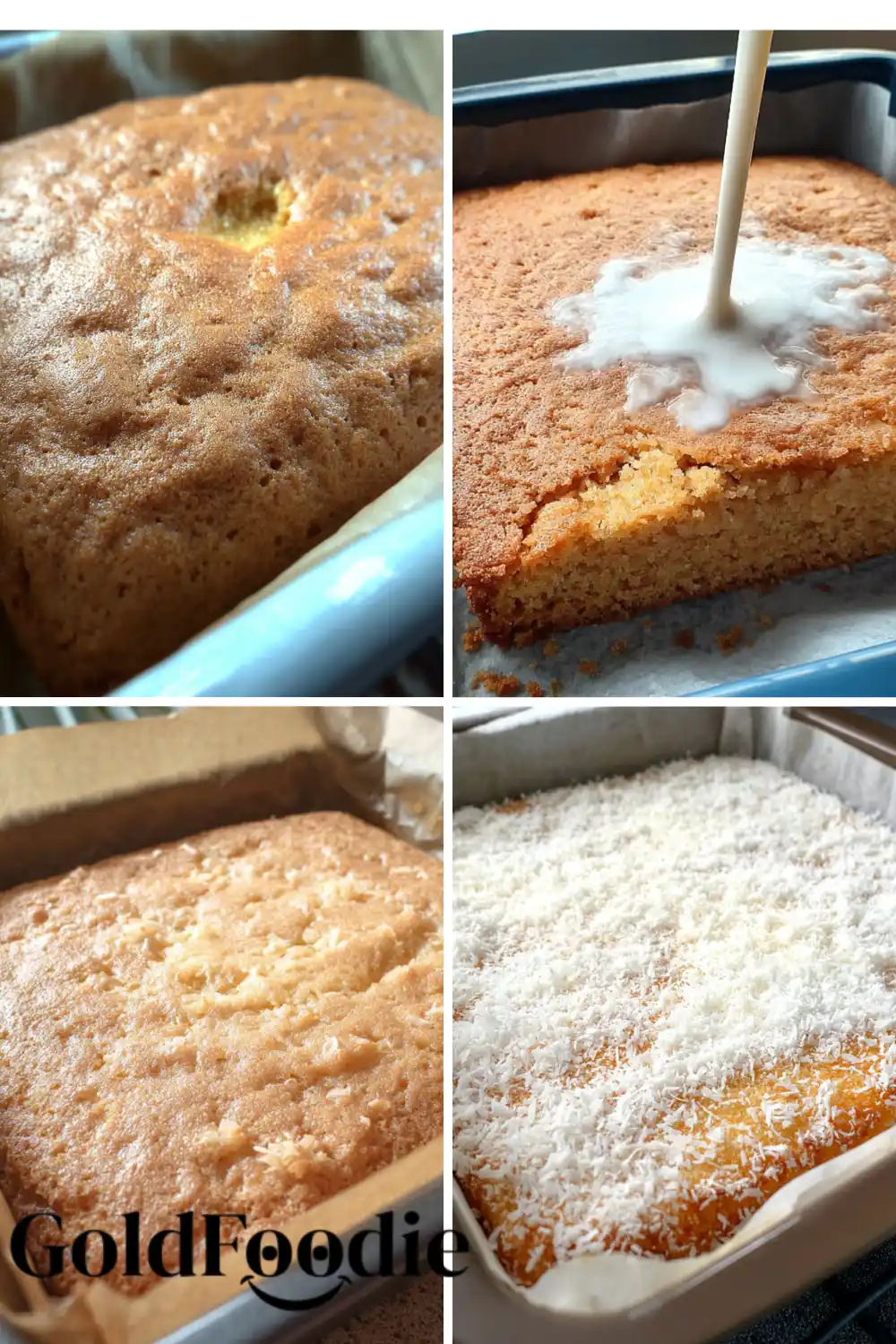
Pour the Portuguese Coconut Cake batter into your prepared baking pan. Spread it evenly with a spatula. Bake in the preheated oven for approximately 30 minutes. The cake is ready when it is golden brown on top and a toothpick inserted into the center comes out clean. Remove the cake from the oven but leave it in its mold.
Step 8: Soak with hot milk.
While the cake is still hot and in the mold, heat the milk until it is very hot. You can do this on the stovetop or in the microwave. Carefully pour the hot milk evenly over the entire surface of the hot cake. Allow the milk to absorb completely into the cake; this step is crucial for its signature moistness.
Step 9: Finish and cool.
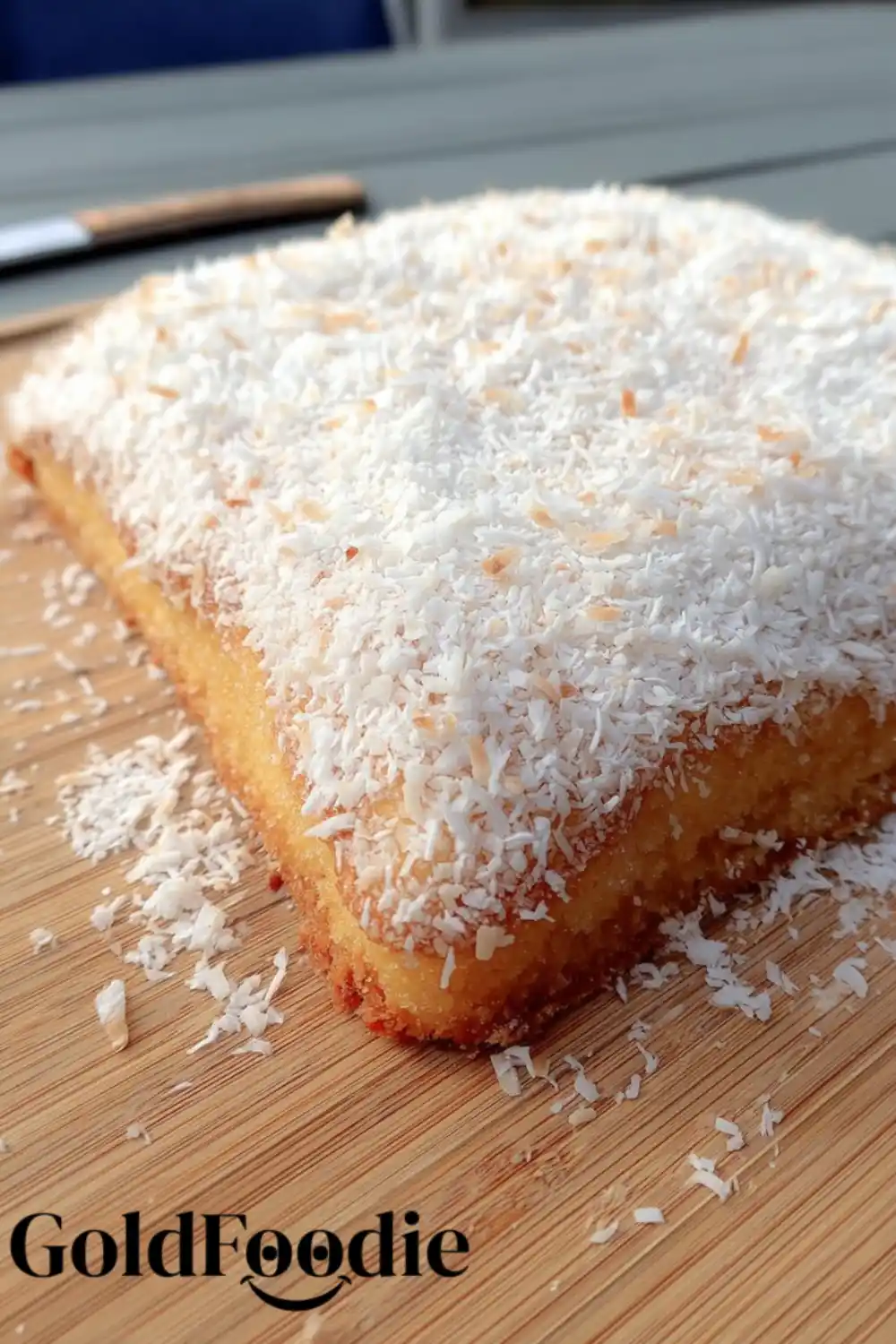
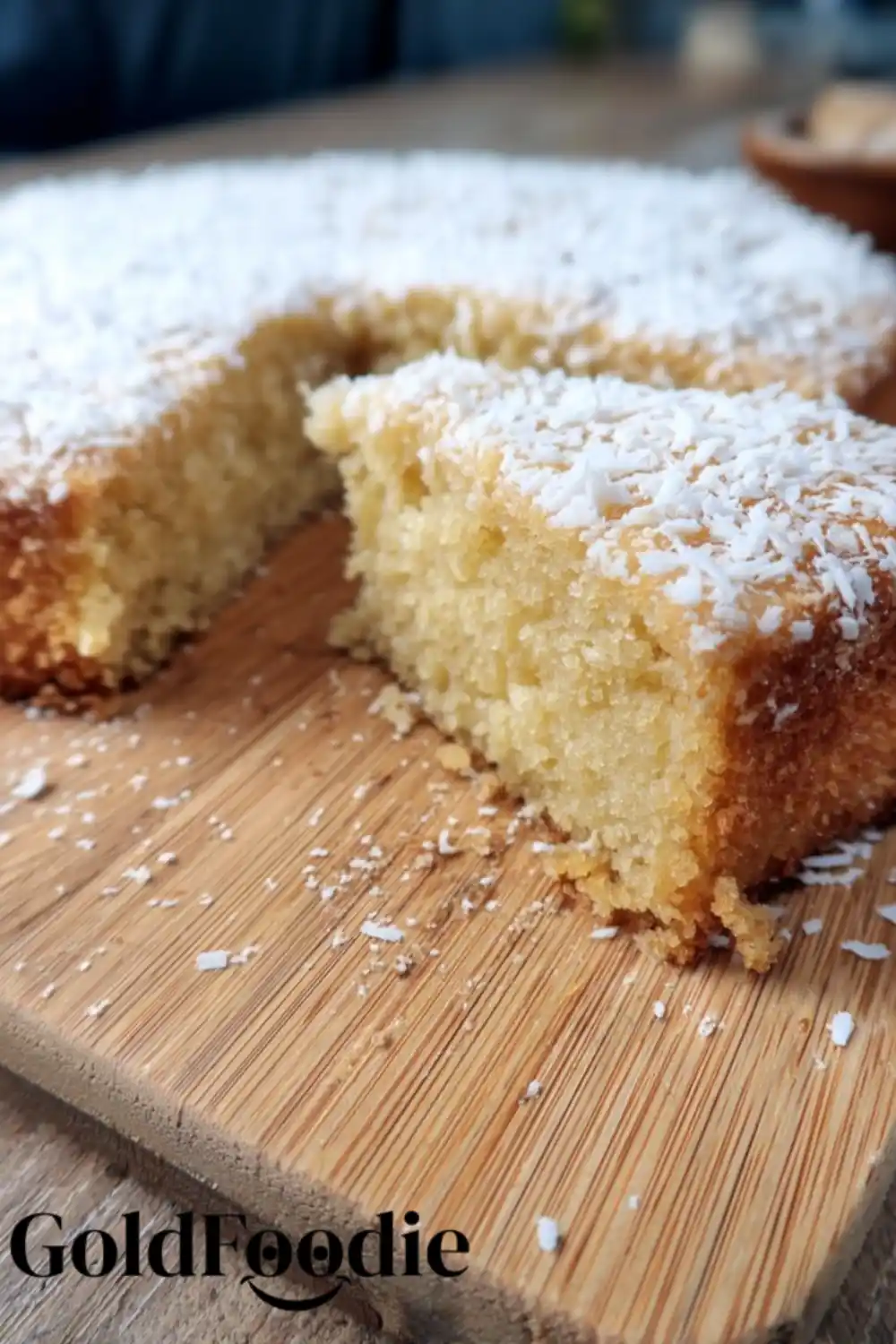
Generously sprinkle extra shredded coconut over the milk-soaked cake. This adds both flavor and texture. Allow the cake to cool down completely in the mold. Once cooled, gently remove the cake from the tray, slicing it into portions. These Portuguese Coconut Cakes are now ready to be savored.
Pro Tips & Troubleshooting
Achieving a tender, moist texture is key for these Bolo de Coco Húmido. Follow these tips to ensure a successful bake every time.
- Egg Whites: Ensure your bowl and whisk are grease-free for perfectly whipped egg whites. Any fat prevents them from stiffening properly.
- Mixing: Never overmix the batter after adding flour. Mix until just combined to keep the cake light and tender.
- Hot Milk Soak: Pouring hot milk over a hot cake ensures maximum absorption. This creates the wonderfully moist crumb.
- Doneness Check: A clean toothpick means the cake is fully baked. If it comes out with wet batter, bake for a few more minutes.
- Dense or Dry Cake: A dense cake often results from overmixing or not incorporating enough air. A dry cake might be overbaked or did not absorb enough milk.
Serving & Storage
These Portuguese Coconut Cakes are a treat meant for sharing and enjoying. Understanding how to serve and store them will enhance your experience.
The cake is particularly lovely served at room temperature. Its flavors meld beautifully as it cools. Consider serving slices with a warm cup of coffee or herbal tea for a comforting snack. A side of fresh berries or a dollop of whipped cream can also complement the coconut flavor beautifully. Store any leftovers in an airtight container at room temperature for up to 2 days. For longer freshness, refrigerate for up to 4-5 days. Its moistness is best within the first 2-3 days.
Variations
- For an almond twist, substitute a portion of the flour with almond flour, or sprinkle sliced almonds on top.
- Fold in miniature chocolate chips or shave dark chocolate into the batter for a delightful chocolate-coconut combination.
- Enhance the flavor with a teaspoon of pure vanilla extract or a tablespoon of fresh orange or lemon zest.
- Consider soaking the cake with hot coconut milk instead of regular milk for an even richer coconut essence.
Nutrition Information
Understanding the nutritional aspects of your homemade treats can be helpful. This information provides a general overview for these Portuguese Coconut Cakes.
| Component | Amount Per Serving |
|---|---|
| Calories | 250 kcal |
| Fat | 13 g |
| Carbohydrates | 29.9 g |
| Protein | 4.1 g |
Note: These values are approximate and may vary based on specific ingredients and serving sizes.
Frequently Asked Questions (FAQ)
Here are some common questions about making and enjoying these cherished Portuguese Coconut Cakes.
Is this cake gluten-free?
As written, the recipe uses all-purpose flour. You can substitute it with a 1:1 gluten-free baking blend for a gluten-friendly version.
Can I make Portuguese Coconut Cakes ahead?
Yes, you can bake this cake a day in advance. Store it covered at room temperature; the flavors often deepen overnight.
Why is my cake not moist enough?
This usually happens if the cake was overbaked or if the hot milk did not fully absorb. Ensure the cake is hot when you pour the milk.
What is “Bolo de Coco Húmido”?
This is the Portuguese name for “Moist Coconut Cake,” referring to its characteristic tender and soaked texture.
Can fresh coconut be used?
While shredded dried coconut is common, you can use freshly grated coconut. Adjust the amount as fresh coconut contains more moisture.
Final Thoughts
Bringing the warmth of Portuguese tradition to your kitchen is a true pleasure with these Portuguese Coconut Cakes. This recipe offers a path to create a cake that is truly special, embodying the spirit of family and comfort. We hope you feel encouraged to try your hand at this delightful Bolo de Coco Húmido. Share your creations and connect with others who cherish the simple joy of baking.
Authentic Portuguese Coconut Cakes (Bolo de Coco Húmido)
Ingredients
Equipment
Method
- Preheat the oven to 180 °C and prepare a square baking mold by greasing with butter and lining with non-stick paper.
- Whisk together the butter and brown sugar until creamy, then separate egg yolks and add them to the sugar mixture.
- In a separate bowl, whisk the egg whites until stiff peaks form and set aside.
- Add the flour, 50g shredded coconut, and a pinch of salt to the yolk mixture, mixing well until creamy; then gently fold in the whisked egg whites until just combined.
- Pour the batter into the prepared mold, smooth it out, and bake for about 30 minutes until golden and a toothpick comes out dry. Keep the cake in the mold after baking.
- Heat the milk until it is very hot, then pour it evenly over the hot cake while it is still in the mold for better absorption.
- Finally, generously sprinkle with additional shredded coconut and let the cake cool completely before removing it from the tray and serving.
Notes

Hi there, I’m chef living in New York City. Every morning, I wake up to the sounds of my little one’s laughter and the comforting routine of preparing breakfast for my family my husband, our child, and my beloved mother, who’s become both my rock and my inspiration since my father passed away. As the only daughter left in our family, I feel a deep responsibility to carry on his memory whenever I step into the kitchen.
- Dominique

- Dominique
- Dominique
- Dominique