This post contains affiliate links. As an Amazon Associate, I earn from qualifying purchases. This comes at no extra cost to you.
Garlic Chive Kimchi (Buchu Kimchi) Recipe
Garlic Chive Kimchi (Buchu Kimchi) combines the bold aroma of garlic chives with a tangy, spicy seasoning paste, creating a vibrant and flavorful side dish. This quick-fermenting kimchi offers a delightful balance of saltiness, heat, and slight sweetness, perfect for enhancing rice dishes, soups, or grilled meats. Its simplicity makes it a go-to for anyone looking to explore traditional Korean flavors with minimal effort.
Table of Contents
- Why This Garlic Chive Kimchi (Buchu Kimchi) Will Save Your Weeknights
- Everything You Need for Garlic Chive Kimchi (Buchu Kimchi)
- How To Make Garlic Chive Kimchi (Buchu Kimchi) Step by Step
- Expert Tips for Perfect Garlic Chive Kimchi
- The Origins of Garlic Chive Kimchi (Buchu Kimchi)
- Common Questions About Garlic Chive Kimchi
- Meal Prep and Storage Tips
Why This Garlic Chive Kimchi (Buchu Kimchi) Will Save Your Weeknights
- This kimchi is quick to prepare, with only 10 minutes of active work and minimal ingredients. Its short fermentation period means you can enjoy it in just 1-2 days.
- The recipe uses garlic chives, which have a bold, distinctive flavor that instantly elevates simple meals like rice bowls or soups. Their crisp texture adds variety to the plate.
<liIt’s perfect for busy schedules because you can make a batch and store it safely for up to 2-3 weeks in the refrigerator. This makes it a great addition to meal prepping.
Everything You Need for Garlic Chive Kimchi (Buchu Kimchi)
- 300g garlic chives (buchu), washed and trimmed
- 2 tablespoons Korean coarse sea salt
- 2 tablespoons gochugaru (Korean chili flakes)
- 1 tablespoon fish sauce
- 1 tablespoon soy sauce
- 1 tablespoon sugar
- 1 teaspoon minced garlic
- 1 teaspoon minced ginger
- 2 tablespoons water
Garlic chives are the star ingredient, providing their signature aromatic punch that sets this kimchi apart. Korean coarse sea salt is used during the salting stage, helping the chives release moisture while enhancing their natural flavor.
How To Make Garlic Chive Kimchi (Buchu Kimchi) Step by Step
- Wash and trim the garlic chives, removing any wilted or damaged pieces. Ensure they are clean and fresh for the best flavor.
- Cut the garlic chives into 2-3 inch lengths and place them in a large mixing bowl. Uniform sizes help the seasoning coat evenly.
- Sprinkle the garlic chives with Korean coarse sea salt and gently toss to coat. Let them sit for 30 minutes to soften and release moisture.
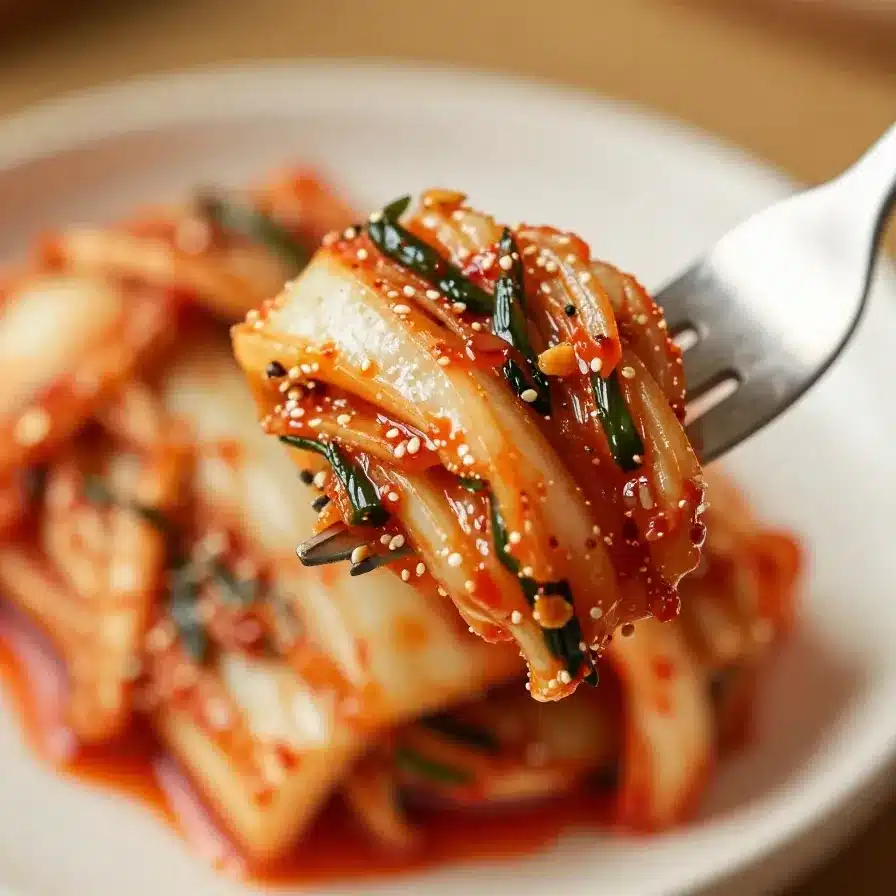
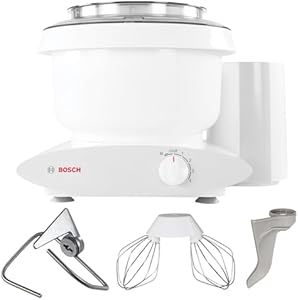
Effortlessly mix and prepare seasoning paste for kimchi with this premium stand mixer.

Durable and versatile mixing bowls perfect for preparing kimchi seasoning and tossing ingredients.
- In a separate bowl, mix gochugaru, fish sauce, soy sauce, sugar, minced garlic, minced ginger, and water to create a flavorful paste. Adjust the gochugaru amount if you prefer less heat.
- After the garlic chives have softened, drain any excess liquid released during the salting process. This prevents the kimchi from becoming watery.
- Add the seasoning paste to the garlic chives and gently toss until every piece is evenly coated. Be careful not to bruise the chives as you mix.
- Transfer the seasoned garlic chives to a clean, airtight container or jar, pressing down to remove air pockets. This helps promote fermentation.
- Seal the container and leave it at room temperature for 1-2 days to ferment. Check the flavor after 24 hours, and allow more time if you prefer stronger fermentation.
- Once fermented, store the kimchi in the refrigerator to slow down the process and enjoy within 2-3 weeks.
Expert Tips for Perfect Garlic Chive Kimchi
- Use Korean coarse sea salt rather than table salt, as its larger grains help extract moisture without oversalting.
- Ensure the garlic chives are completely dry before salting to maintain the ideal texture during fermentation.
- If the seasoning paste is too thick, add an extra tablespoon of water to help it coat the chives evenly.
- Use an airtight container to minimize air exposure, which can interrupt fermentation and affect the kimchi’s flavor.
The Origins of Garlic Chive Kimchi (Buchu Kimchi)
Buchu Kimchi is a traditional Korean side dish that highlights garlic chives, a common ingredient in Asian cooking. Its bold, spicy flavors reflect the lively essence of Korean cuisine, making it a popular choice for complementing everyday meals.
Unlike napa cabbage or radish kimchi, garlic chive kimchi ferments quickly, offering a practical option for those seeking a fast and flavorful addition to their table. Its simplicity has made it a favorite among home cooks and seasoned kimchi enthusiasts.
Common Questions About Garlic Chive Kimchi
- Can I use regular chives instead of garlic chives?
- No, regular chives lack the bold, garlicky flavor that makes garlic chive kimchi unique. Garlic chives are essential for this recipe.
- How long should I let the kimchi ferment?
- Ferment the kimchi at room temperature for 1-2 days, adjusting based on your preferred level of tanginess. Refrigerate immediately after fermentation.
- What can I serve with garlic chive kimchi?
- It pairs beautifully with steamed rice, soups, and grilled proteins like beef or pork. Try it alongside our garlic butter ham and cheese sliders for a fusion-style meal.
Meal Prep and Storage Tips
Store the garlic chive kimchi in an airtight container in the refrigerator to preserve freshness and slow fermentation. It’s best enjoyed within 2-3 weeks, although the flavor will continue to deepen over time.
This dish is not suitable for freezing, as the texture of the chives may become compromised. Always use a clean utensil when serving to avoid contamination, ensuring the kimchi lasts as long as possible.
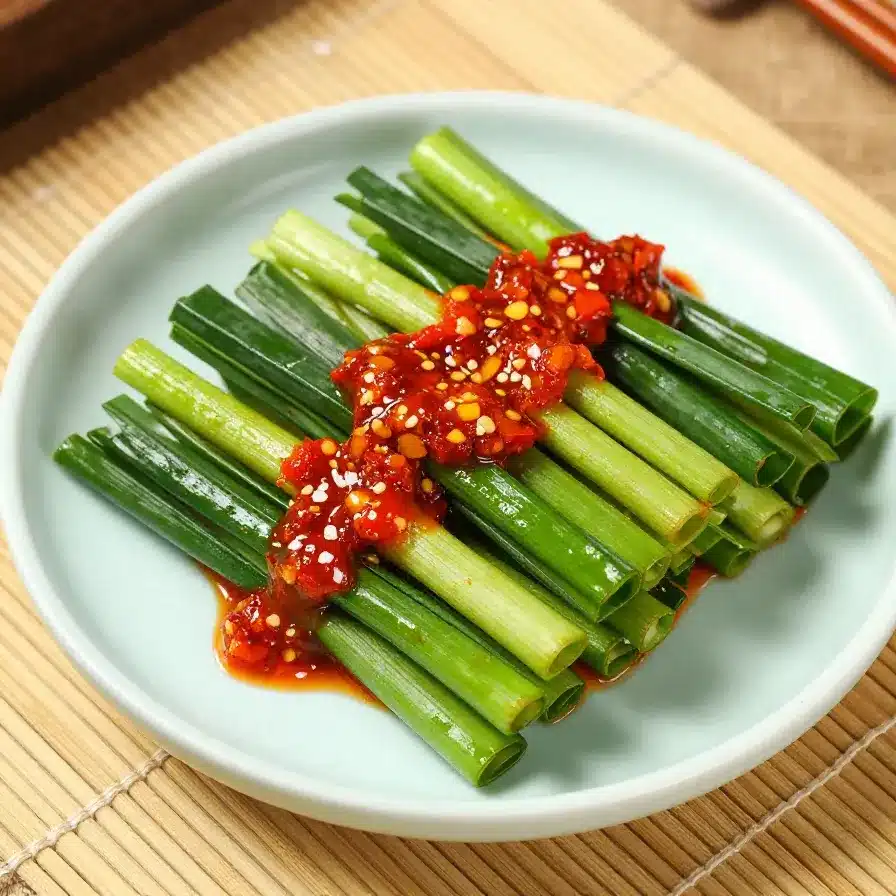
Garlic Chive Kimchi (Buchu Kimchi)
Ingredients
Method
- Wash and trim the garlic chives, removing any wilted or damaged pieces.
- Cut the garlic chives into 2-3 inch lengths and place them in a large mixing bowl.
- Sprinkle the garlic chives with the Korean coarse sea salt and gently toss to coat. Let them sit for 30 minutes to soften and release some moisture.
- In a separate bowl, mix together gochugaru, fish sauce, soy sauce, sugar, minced garlic, minced ginger, and water to create the seasoning paste.
- After the garlic chives have softened, drain any excess liquid released during the salting process.
- Add the seasoning paste to the garlic chives and gently toss until evenly coated.
- Transfer the seasoned garlic chives to a clean, airtight container or jar, pressing down gently to remove any air pockets.
- Seal the container and let the kimchi ferment at room temperature for 1-2 days, depending on your preferred level of fermentation.
- After fermentation, store the kimchi in the refrigerator to slow down the fermentation process and enjoy within 2-3 weeks.
Notes
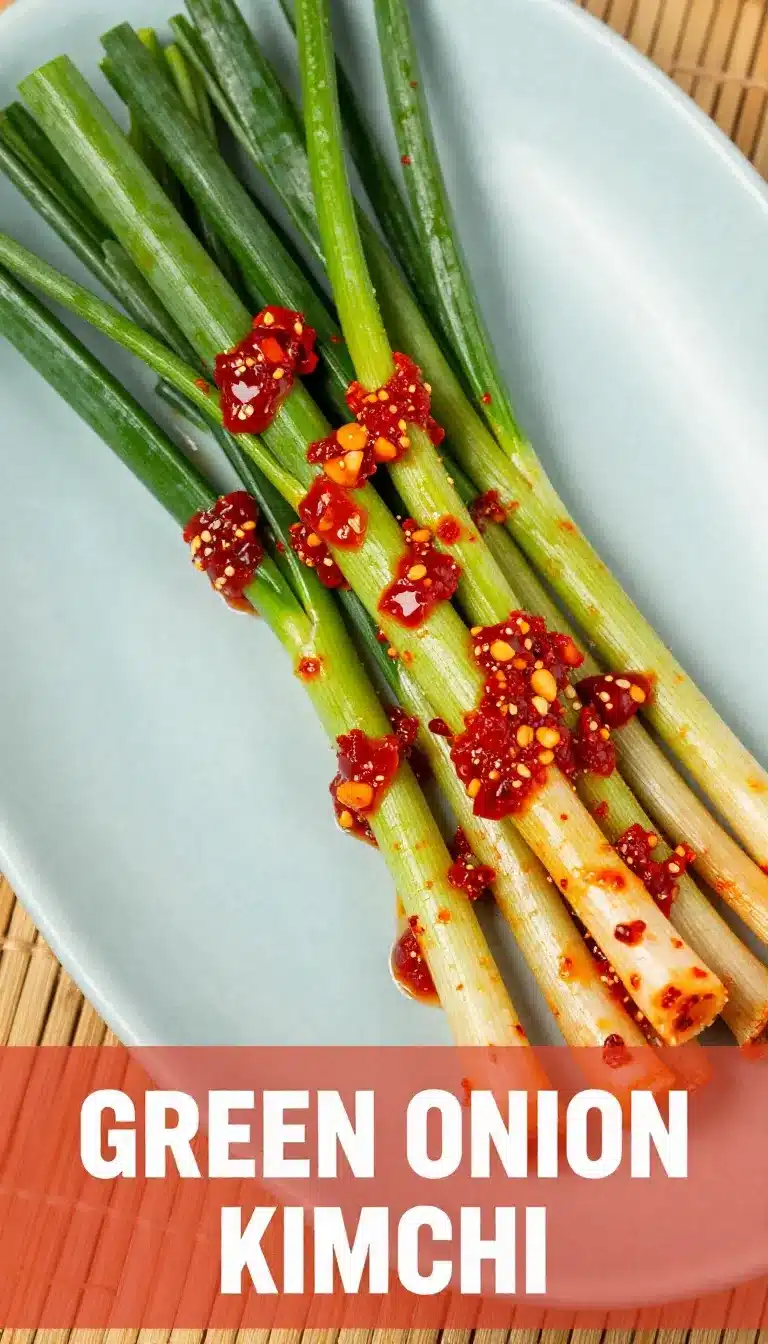
Loved this recipe? Save it to your favorite Pinterest board so you can easily find it later! ✨

Hi there, I’m chef living in New York City. Every morning, I wake up to the sounds of my little one’s laughter and the comforting routine of preparing breakfast for my family my husband, our child, and my beloved mother, who’s become both my rock and my inspiration since my father passed away. As the only daughter left in our family, I feel a deep responsibility to carry on his memory whenever I step into the kitchen.
- Dominique

- Dominique
- Dominique
- Dominique