This post contains affiliate links. As an Amazon Associate, I earn from qualifying purchases. This comes at no extra cost to you.
Carbonara In Rome
Carbonara In Rome is a timeless Italian dish that perfectly balances the salty richness of guanciale, the creaminess of Pecorino Romano, and the earthy bite of freshly cracked black pepper. The silky sauce, created without cream, clings to every strand of spaghetti, delivering a truly authentic Roman experience in every bite. This dish celebrates simplicity and showcases the magic of traditional Italian flavors.
Table of Contents
- Why This Carbonara In Rome Is Perfect for Busy Cooks
- Everything You Need for Carbonara In Rome
- How To Make Carbonara In Rome Step by Step
- Common Mistakes To Avoid
- The Origins of Carbonara In Rome
- Easy Ingredient Swaps for Carbonara In Rome
- Frequently Asked Questions
Why This Carbonara In Rome Is Perfect for Busy Cooks
- Quick and simple to prepare, making it ideal for busy weeknights.
- Uses just six ingredients, reducing the need for a long grocery list.
- Delivers restaurant-quality results with minimal effort and time investment.
- Flexible enough to adapt to dietary restrictions yet stays authentically Italian.
Everything You Need for Carbonara In Rome
- 400g spaghetti
- 150g guanciale, diced
- 4 large eggs
- 100g Pecorino Romano cheese, grated
- Freshly cracked black pepper
- Salt, for pasta water
The use of guanciale provides unparalleled depth and richness to the dish, making it the preferred choice over bacon or pancetta. Additionally, Pecorino Romano cheese adds an authentic sharp and salty flavor that defines Carbonara In Rome.
How To Make Carbonara In Rome Step by Step
- Bring a large pot of salted water to a boil and cook the spaghetti according to package instructions until al dente.
- While the pasta cooks, heat a large skillet over medium heat and add the diced guanciale. Sauté until it becomes crispy and golden, about 5-7 minutes.
- In a mixing bowl, whisk together the eggs, grated Pecorino Romano, and a generous amount of freshly cracked black pepper until smooth.
- Once the spaghetti is ready, reserve about 1 cup of the pasta cooking water, then drain the pasta and add it directly to the skillet with the guanciale. Toss to combine.
- Remove the skillet from heat and pour in the egg and cheese mixture, tossing vigorously to form a creamy sauce. Adjust the consistency by adding reserved pasta water a little at a time as needed.
- Serve immediately, garnished with additional Pecorino Romano and freshly cracked black pepper.
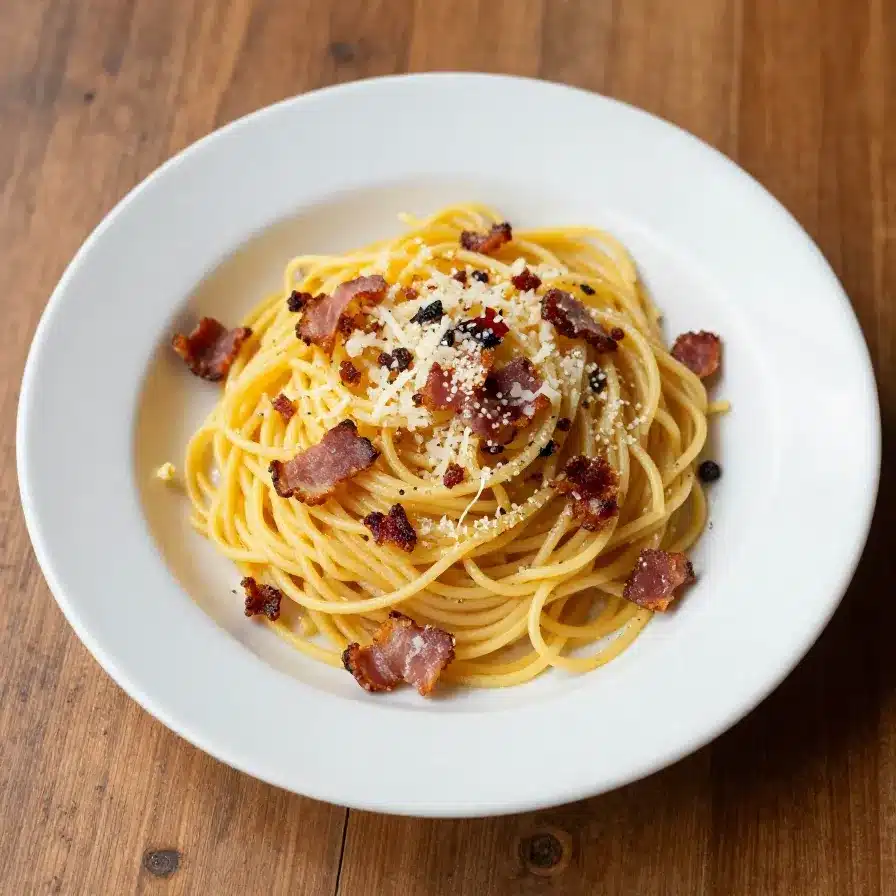

Perfect for searing and baking — this recipe needs even heat distribution
Common Mistakes To Avoid
- Cooking the egg mixture over direct heat can scramble the eggs. Always toss off the heat for the smoothest sauce.
- Over-salting the pasta water can make the dish too salty, especially with the guanciale and Pecorino Romano. Taste as you go.
- Using cream instead of eggs compromises the authentic Roman flavor and texture of the sauce.
The Origins of Carbonara In Rome
Carbonara In Rome is believed to have originated during World War II when Italian cooks creatively used the pantry staples of eggs, cured pork, and cheese. Over time, the dish became a hallmark of Roman cuisine, celebrated for its luxurious simplicity. Today, it remains an emblem of authentic Italian cooking.
Easy Ingredient Swaps for Carbonara In Rome
- If you can’t find guanciale, high-quality pancetta or bacon can be used, though the flavor will differ slightly.
- While Pecorino Romano is traditional, Parmigiano-Reggiano can be substituted for a milder, nuttier taste.
- For a vegetarian version, swap guanciale with sautéed mushrooms and a sprinkle of smoked paprika for depth.
Frequently Asked Questions
- Can I use bacon instead of guanciale?
Yes, but the flavor of guanciale is more authentic and provides a deeper porky richness. - Why don’t you use cream in this recipe?
Traditional Italian carbonara relies on eggs and cheese for the creamy texture, staying true to its Roman roots. - How do I know if the sauce is the right consistency?
The sauce should coat each strand of spaghetti without being too thick or runny. Use reserved pasta water to adjust as needed.
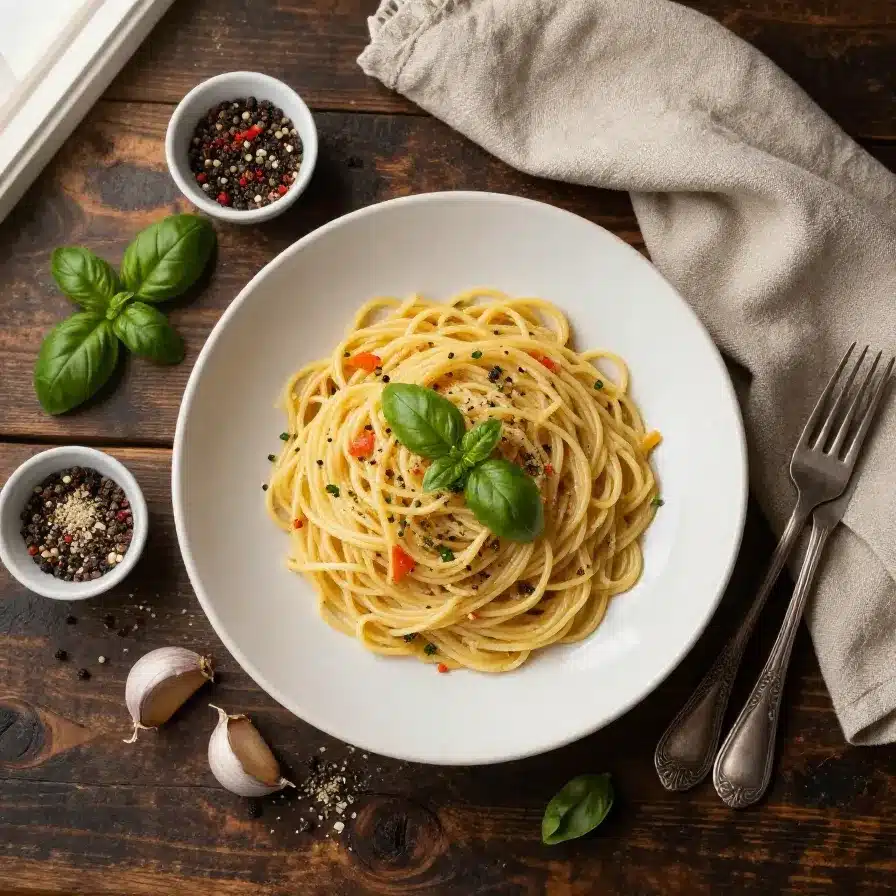
Carbonara In Rome
Ingredients
Method
- Bring a large pot of salted water to a boil and cook the spaghetti according to package instructions until al dente.
- While the pasta is cooking, heat a large skillet over medium heat and add the diced guanciale. Cook until it becomes crispy and golden, about 5-7 minutes.
- In a bowl, whisk together the eggs, grated Pecorino Romano, and a generous amount of freshly cracked black pepper until well combined.
- Once the spaghetti is cooked, reserve about 1 cup of the pasta cooking water, then drain the pasta and add it directly to the skillet with the guanciale.
- Remove the skillet from heat and quickly pour in the egg and cheese mixture, tossing vigorously to create a creamy sauce. If the sauce is too thick, add reserved pasta water a little at a time until desired consistency is reached.
- Serve immediately, garnished with additional Pecorino Romano and black pepper.
Notes

Loved this recipe? Save it to your favorite Pinterest board so you can easily find it later! ✨

Hi there, I’m chef living in New York City. Every morning, I wake up to the sounds of my little one’s laughter and the comforting routine of preparing breakfast for my family my husband, our child, and my beloved mother, who’s become both my rock and my inspiration since my father passed away. As the only daughter left in our family, I feel a deep responsibility to carry on his memory whenever I step into the kitchen.
- Dominique

- Dominique
- Dominique
- Dominique