This post contains affiliate links. As an Amazon Associate, I earn from qualifying purchases. This comes at no extra cost to you.
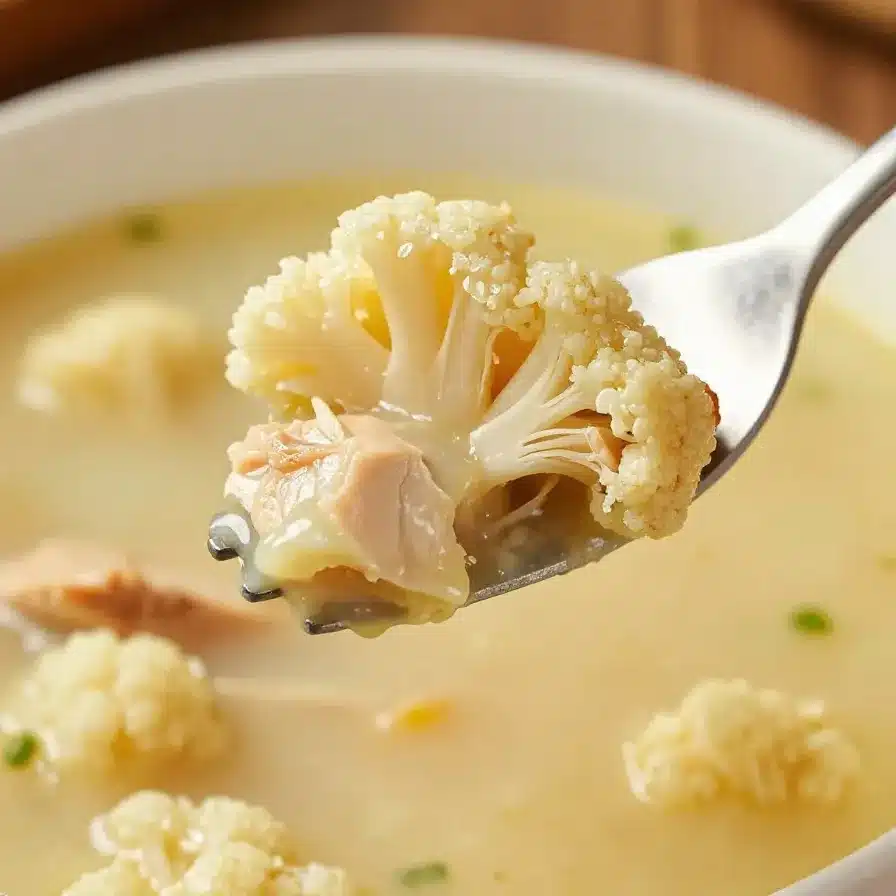
This Anti-Inflammatory Cauliflower Chicken Soup Recipe brings together the earthy warmth of turmeric and ginger with a creamy coconut milk base. Tender cauliflower florets and sweet carrots simmer to perfection, creating a hearty yet light soup that calms inflammation. With shredded chicken and baby spinach folded in, it’s a nutrient-packed meal perfect for those seeking soothing flavors and health benefits.
Table of Contents
- Why This Anti-Inflammatory Cauliflower Chicken Soup Recipe Works
- Everything You Need for Anti-Inflammatory Cauliflower Chicken Soup Recipe
- How To Make Anti-Inflammatory Cauliflower Chicken Soup Recipe Step by Step
- Meal Prep, Storage, and Reheating Tips
- Common Mistakes to Avoid When Cooking This Soup
- Serving Ideas: What Goes Well with This Soup
- Easy Ingredient Swaps for Anti-Inflammatory Cauliflower Chicken Soup Recipe
Why This Anti-Inflammatory Cauliflower Chicken Soup Recipe Works
- The turmeric and ginger in this recipe are known for their anti-inflammatory properties, helping to soothe digestion and reduce inflammation naturally.
- Creamy coconut milk not only balances the spices but also adds a velvety texture, making this soup comforting yet light.
- The inclusion of cauliflower and spinach ensures that every bowl is packed with vitamins and fiber, supporting your overall wellness goals.
- Using rotisserie chicken saves valuable time while delivering tender protein to complement the flavors of the vegetables and broth.
Everything You Need for Anti-Inflammatory Cauliflower Chicken Soup Recipe
- 1 tablespoon olive oil
- 1 medium onion, diced
- 3 garlic cloves, minced
- 1 teaspoon ground turmeric
- 1 teaspoon ground ginger
- 1 teaspoon ground cumin
- 1/2 teaspoon black pepper
- 4 cups low-sodium chicken broth
- 1 cup unsweetened coconut milk
- 2 medium carrots, peeled and sliced
- 1 medium head of cauliflower, cut into small florets
- 2 cups cooked shredded chicken (rotisserie chicken works well)
- 1 cup baby spinach
- 1/4 cup chopped fresh parsley (optional)
- Salt to taste
- Juice of 1 lemon
Turmeric and ginger are the stars of this soup, offering both anti-inflammatory benefits and a deep, warming flavor profile. The coconut milk ties everything together with its creamy smoothness, creating a perfect balance for the spices.
How To Make Anti-Inflammatory Cauliflower Chicken Soup Recipe Step by Step
- Heat olive oil in a large pot over medium heat. Add diced onion and sauté until softened, about 3-4 minutes.
- Add minced garlic, turmeric, ginger, cumin, and black pepper. Stir for 1-2 minutes until fragrant, releasing the spices’ aroma.
- Pour in the chicken broth and coconut milk, stirring to combine. Ensure the liquids are well-blended.
- Add sliced carrots and cauliflower florets to the pot. Bring the soup to a boil, then reduce the heat to a simmer. Cover and cook for 15-20 minutes, or until the vegetables are tender.
- Stir in the shredded chicken and baby spinach. Cook for an additional 5 minutes, until the spinach is wilted and the chicken is heated through.
- Add salt to taste and stir in the lemon juice for a bright, fresh flavor.
- Serve warm and garnish with chopped parsley, if desired.

Speeds up cooking time and enhances flavor — great for soups like this one.

Ideal for simmering soups and stews evenly — perfect for this recipe.
Meal Prep, Storage, and Reheating Tips
This soup stores well in both the fridge and freezer, making it a great choice for meal prep. To store, allow the soup to cool completely, then transfer to an airtight container and refrigerate for up to 4 days or freeze for up to 3 months.
Reheat the soup gently on the stovetop over medium heat, stirring occasionally, or in the microwave in 1-minute intervals. If frozen, thaw overnight in the fridge before reheating to preserve the texture of the vegetables.
Common Mistakes to Avoid When Cooking This Soup
- Overcooking the cauliflower can result in a mushy texture. Aim for tender but still slightly firm florets.
- Skipping the lemon juice can leave the soup tasting flat. Always add it at the end for brightness and balance.
- Using high-sodium chicken broth may overpower the delicate flavors of the spices, so choose low-sodium options whenever possible.
Serving Ideas: What Goes Well with This Soup
- A crusty whole-grain bread pairs beautifully, providing a hearty texture and making every meal satisfying.
- Serve alongside a light garden salad for added greens and a complementary fresh bite.
- Steamed rice works as a simple companion, soaking up the flavorful broth while boosting the meal’s heartiness.
- Pair it with our chicken broccoli bake to turn dinner into a well-rounded feast.
Easy Ingredient Swaps for Anti-Inflammatory Cauliflower Chicken Soup Recipe
- Swap rotisserie chicken for cubed tofu to create a vegetarian version while keeping the protein high.
- Use kale instead of spinach for a slightly chewier texture and added nutrients.
- Replace coconut milk with almond milk for a lighter, slightly nutty broth that maintains creaminess.
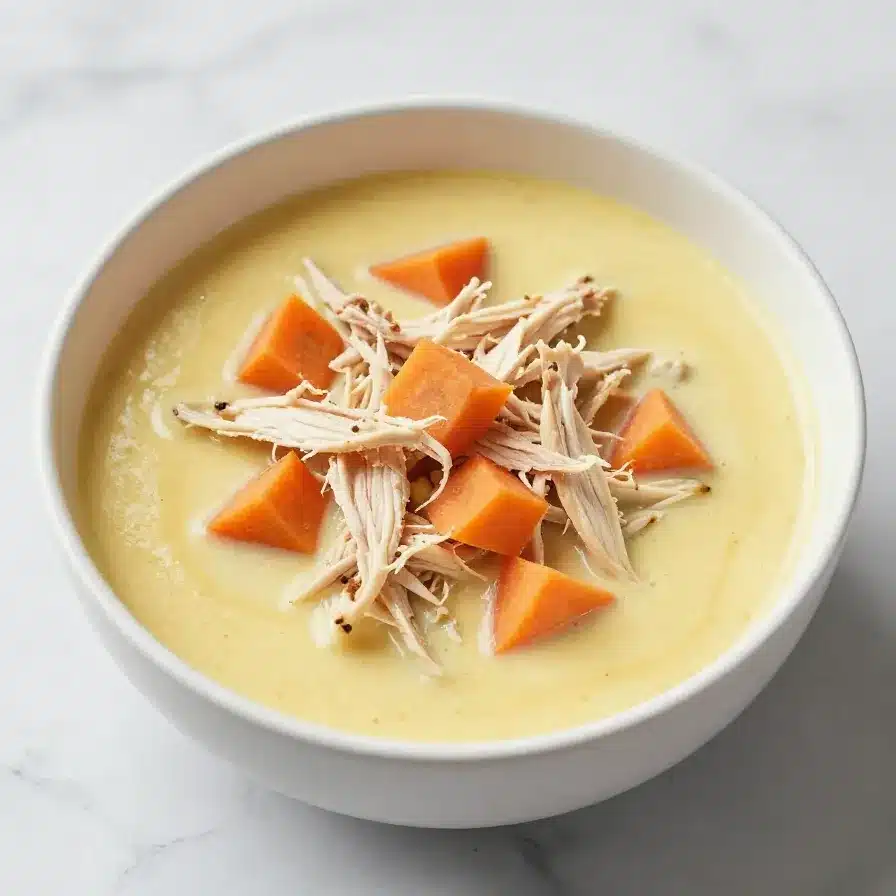
Anti-Inflammatory Cauliflower Chicken Soup Recipe
Ingredients
Method
- Heat olive oil in a large pot over medium heat. Add diced onion and sauté until softened, about 3-4 minutes.
- Add minced garlic, turmeric, ginger, cumin, and black pepper. Stir for 1-2 minutes until fragrant.
- Pour in the chicken broth and coconut milk, stirring to combine.
- Add sliced carrots and cauliflower florets to the pot. Bring the soup to a boil, then reduce the heat to a simmer. Cover and cook for 15-20 minutes, or until the vegetables are tender.
- Stir in the shredded chicken and baby spinach. Cook for an additional 5 minutes, until the spinach is wilted and the chicken is heated through.
- Add salt to taste and stir in the lemon juice for a bright, fresh flavor.
- Serve warm and garnish with chopped parsley, if desired.
Notes

Loved this recipe? Save it to your favorite Pinterest board so you can easily find it later! ✨

Hi there, I’m chef living in New York City. Every morning, I wake up to the sounds of my little one’s laughter and the comforting routine of preparing breakfast for my family my husband, our child, and my beloved mother, who’s become both my rock and my inspiration since my father passed away. As the only daughter left in our family, I feel a deep responsibility to carry on his memory whenever I step into the kitchen.
- Dominique

- Dominique
- Dominique
- Dominique