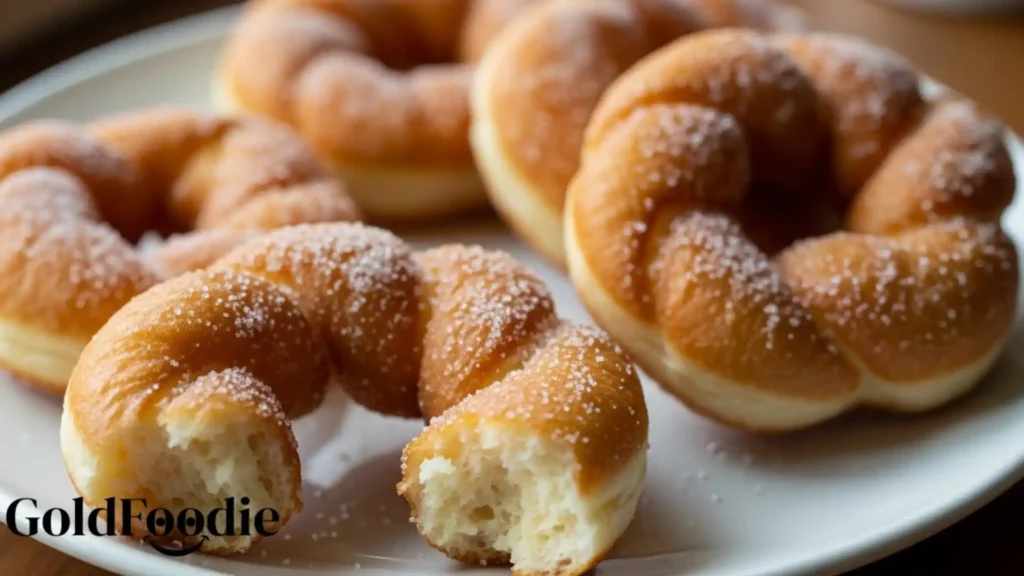
Imagine a sweet, fluffy, slightly chewy treat with a delicate crispy exterior, dusted lightly with a touch of sweetness. These are the remarkable Korean Twisted Donuts, known as Kkwabaegi. This recipe simplifies the traditional process, bringing you an authentic taste experience without the fuss, perfect for busy parents seeking delicious, healthier alternatives. With a texture that truly melts in your mouth and a subtle sweetness, these Korean Twisted Donuts (Kkwabaegi) are an instant family favorite.
Table of Contents
Why You’ll Love These Korean Twisted Donuts (Kkwabaegi)
- Effortlessly Delicious: Achieve bakery-quality Korean Twisted Donuts (Kkwabaegi) with straightforward steps, making them perfect even for beginner bakers.
- Wholesome Goodness: We focus on smart ingredient choices to create a lighter, more nutrient-dense version of these beloved Korean Twisted Donuts (Kkwabaegi).
- Family-Friendly Fun: Involve your kids in twisting the dough, creating cherished memories and fostering healthy eating habits.
- Quick Satisfaction: Enjoy warm, fresh Kkwabaegi in a surprisingly short amount of time, perfect for a spontaneous treat.
Ingredients You’ll Need
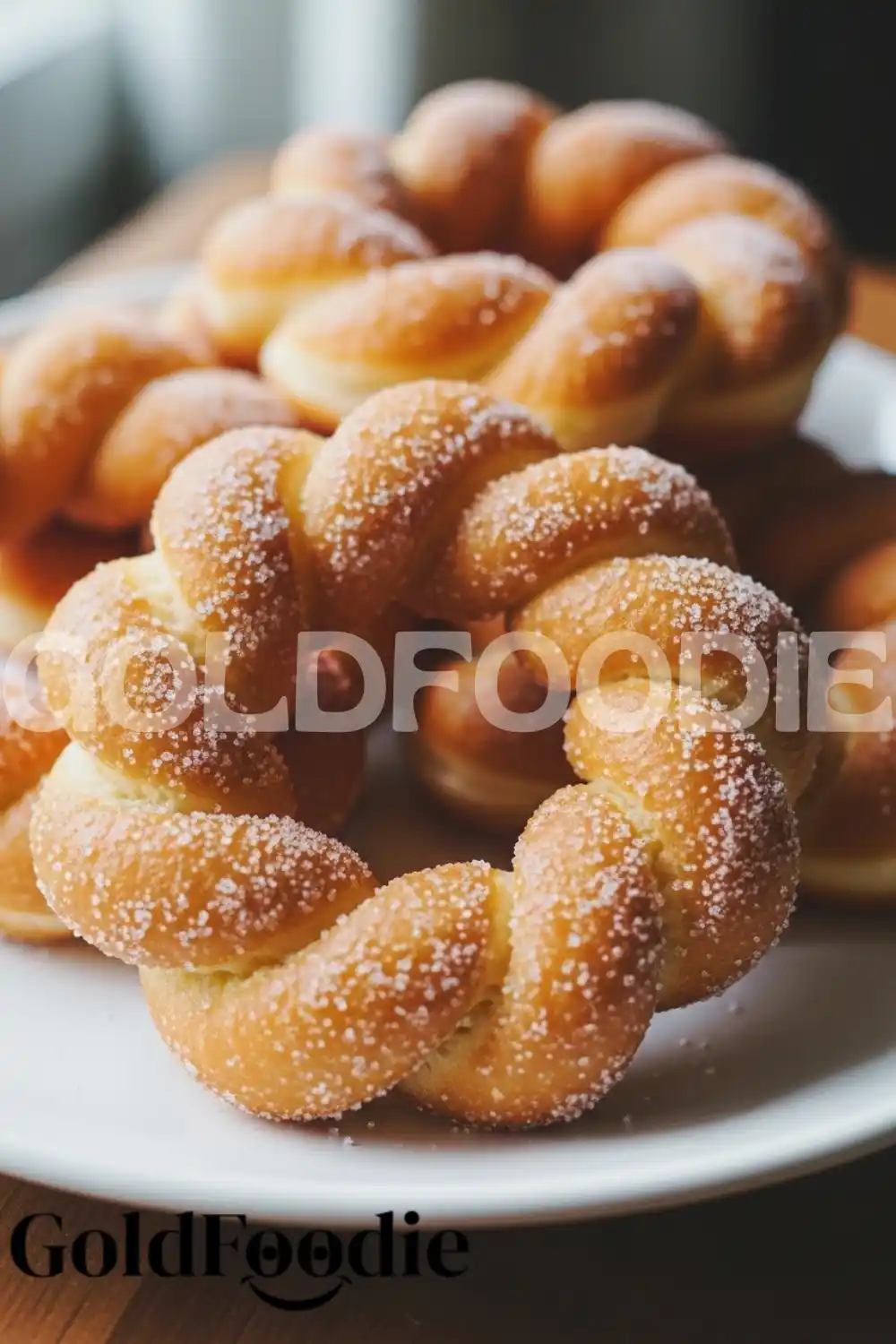
Crafting exceptional Korean Twisted Donuts (Kkwabaegi) begins with selecting quality ingredients. Each component plays a vital role in achieving that perfect fluffy texture and delicate flavor. Opt for fresh, unbleached flour and high-quality yeast to ensure your Kkwabaegi rise beautifully and boast the ideal structure.
- All-Purpose Flour: 3 cups (360g), preferably unbleached for better texture.
- Granulated Sugar: 1/4 cup (50g) for the dough, plus extra for dusting.
- Instant Dry Yeast: 2 1/4 teaspoons (one standard packet). Ensure it’s fresh for optimal rising.
- Warm Milk (low-fat or almond milk): 1 cup (240ml), warmed to 105-115°F (40-46°C). The temperature is crucial for activating the yeast.
- Egg: 1 large, at room temperature, which helps bind the dough and adds richness.
- Unsalted Butter (melted): 2 tablespoons (28g), cooled slightly. Adds tenderness and flavor to your Korean Twisted Donuts (Kkwabaegi).
- Salt: 1/2 teaspoon. Balances the sweetness and enhances flavor.
- Vegetable Oil or Avocado Oil: For deep frying, about 4-6 cups, ensuring enough depth for the donuts to float.

Substitutions & Variations
One of the beauties of home baking is the ability to adapt. For a lower-carb option, consider using a blend of almond flour and vital wheat gluten for the bulk of your dry ingredients, adjusting liquids as needed. For dairy-free Korean Twisted Donuts (Kkwabaegi), simply swap regular milk for unsweetened almond or soy milk, and use a plant-based butter alternative.
You can also experiment with different dusting options beyond sugar, like a cinnamon-sugar mix or even a light sprinkle of powdered erythritol for a truly low-sugar Kkwabaegi. Furthermore, for added protein, consider incorporating a scoop of unflavored whey protein isolate into the dry ingredients, adjusting liquid to maintain dough consistency. Remember, these are simple twists for your long-term wellness journey.
Note: This video is for demonstration purposes and may use a slightly different methode.
If you’re looking to modify your recipes for a healthier option, consider also trying the Easy Korean Ground Beef Bowl. This dish is not only nutritious but also complements your baking adventure with its delightful flavors.
Equipment You’ll Need
Having the right tools makes the process of creating these delicious Korean Twisted Donuts (Kkwabaegi) smoother and more enjoyable. You don’t need highly specialized equipment, but a few basics will significantly improve your baking experience.
- Large Mixing Bowl: Essential for combining and kneading the dough.
- Stand Mixer (optional but recommended): With a dough hook attachment, it saves time and effort on kneading.
- Measuring Cups and Spoons: For precise ingredient measurements.
- Kitchen Scale: For accuracy, especially with flour, which can vary by volume.
- Whisk: To combine dry ingredients.
- Large Pot or Dutch Oven: For deep frying the Kkwabaegi safely and evenly.
- Thermometer (Candy or Deep-Fry): Crucial for maintaining the correct oil temperature.
- Slotted Spoon or Spider Skimmer: For safely removing the fried donuts from the oil.
- Baking Sheets: Lined with parchment paper for resting the twisted dough.
- Wire Rack: For draining excess oil from the freshly fried Korean Twisted Donuts (Kkwabaegi).
- Paper Towels: To blot extra oil.
Step-by-Step Instructions
Embarking on making Korean Twisted Donuts (Kkwabaegi) is a rewarding journey. Follow these precise steps for a flawless batch every time. This approach simplifies the science of baking, ensuring success even for beginners.
- Activate the Yeast: In your large mixing bowl, or the bowl of a stand mixer, combine the warm milk, 1 teaspoon of the sugar, and the instant dry yeast. Gently stir, then let it sit for 5-10 minutes until foamy. This confirms your yeast is active and ready to make your Korean Twisted Donuts (Kkwabaegi) light and airy.
- Combine Wet Ingredients: Add the remaining sugar, egg, melted butter, and salt to the yeast mixture. Whisk everything together thoroughly until well combined.
- Add Dry Ingredients: Gradually add the all-purpose flour to the wet mixture, one cup at a time. If using a stand mixer, attach the dough hook and mix on low speed. If kneading by hand, use a sturdy spoon to mix until a shaggy dough forms.
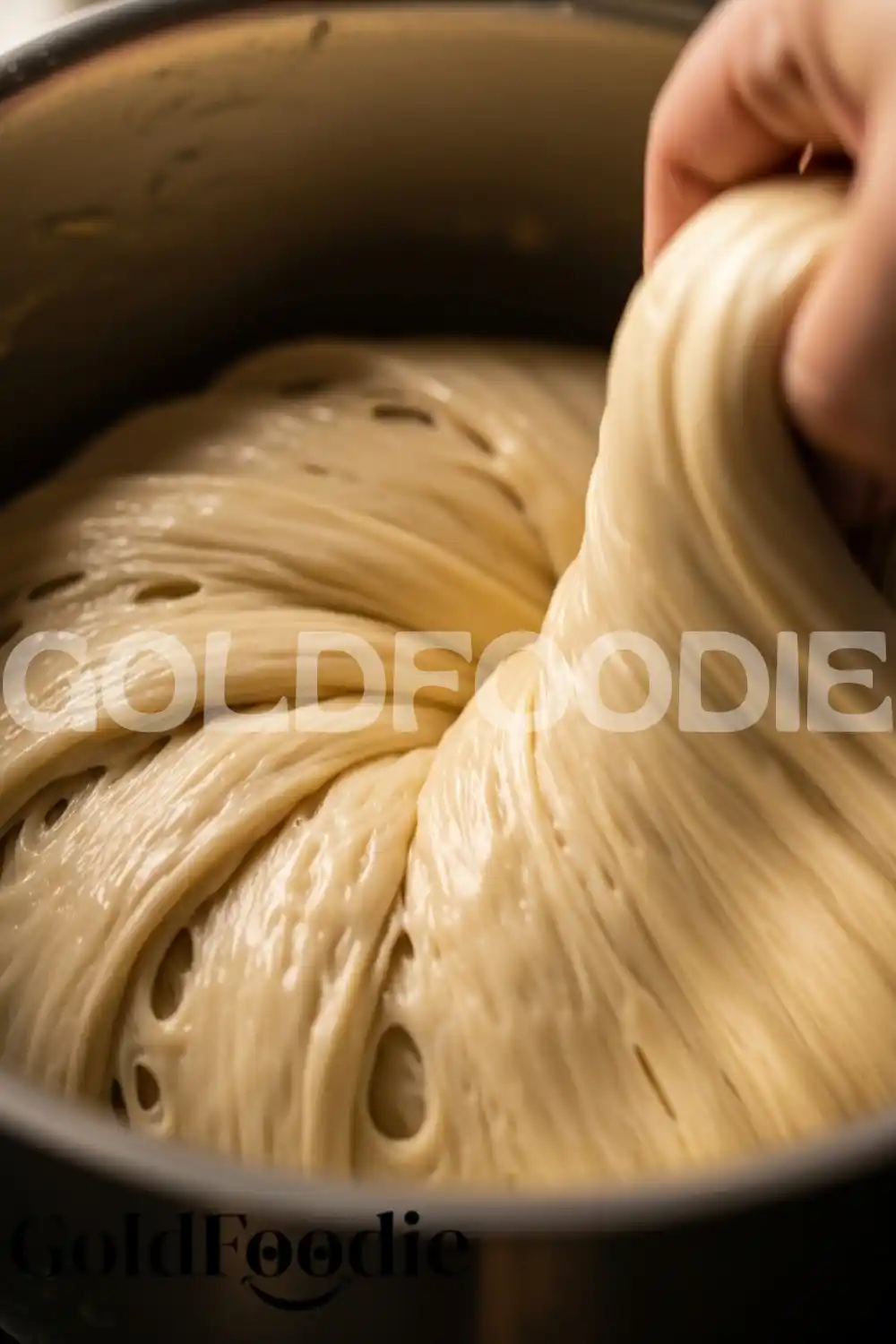
- Knead the Dough: Increase the mixer speed to medium-low and knead for 8-10 minutes, or until the dough is smooth, elastic, and pulls away cleanly from the sides of the bowl. If kneading by hand, turn the dough out onto a lightly floured surface and knead vigorously for 10-15 minutes until it reaches the same smooth, elastic consistency. A well-kneaded dough is key to chewy Korean Twisted Donuts (Kkwabaegi).
- First Rise (Bulk Fermentation): Lightly grease a clean bowl with a little oil. Place the dough in the bowl, turning it once to coat. Cover the bowl tightly with plastic wrap or a damp cloth. Let it rise in a warm, draft-free place for 1-1.5 hours, or until the dough has doubled in size. This crucial step develops flavor and texture for your Kkwabaegi.
- Shape the Donuts: Gently punch down the risen dough to release the air. Turn the dough out onto a lightly floured surface. Divide the dough into 12-16 equal pieces, about 40-50g each. Roll each piece into a thin rope, approximately 10-12 inches long. Carefully twist each rope into a spiral shape, bringing the ends together to form a twisted loop. Place the shaped Korean Twisted Donuts (Kkwabaegi) on a baking sheet lined with parchment paper, ensuring some space between them.
- Second Rise (Proofing): Cover the shaped Kkwabaegi lightly with plastic wrap or a damp cloth. Let them rise again in a warm place for another 30-45 minutes, or until they look puffy and have visibly increased in size. This second rise makes your Korean Twisted Donuts (Kkwabaegi) incredibly light.
- Preheat Oil for Frying: While the donuts are proofing, pour 4-6 cups of vegetable or avocado oil into a large heavy-bottomed pot or Dutch oven. Heat the oil over medium heat until it reaches a temperature of 325-350°F (160-175°C). Use a deep-fry thermometer to monitor the temperature precisely. Maintaining the correct oil temperature is vital for perfectly cooked Kkwabaegi.
- Fry the Donuts: Carefully place 2-3 Korean Twisted Donuts (Kkwabaegi) at a time into the hot oil, being careful not to overcrowd the pot. Fry for 1-2 minutes per side, or until golden brown and cooked through. Use a slotted spoon or spider skimmer to flip them.
- Drain and Dust: Remove the fried Kkwabaegi with the slotted spoon and transfer them to a wire rack set over paper towels to drain excess oil. While still warm, sprinkle generously with granulated sugar.
- Serve Immediately: These Korean Twisted Donuts (Kkwabaegi) are best enjoyed fresh and warm. Share and savor!
To ensure your baking is successful, check out the Easy Low-Carb Mongolian Ground Beef recipe as well. This dish offers simplicity and flavor, perfect for a full dinner alongside your freshly made Kkwabaegi.
Pro Tips for Success
Mastering these Korean Twisted Donuts (Kkwabaegi) involves a few key techniques. These science-backed tips will ensure your success and elevate your baking game, providing that perfect texture Rocco Fuhrman is known for.

- Temperature Control is Key: Ensure your milk for yeast activation is precisely 105-115°F (40-46°C). Too hot will kill the yeast; too cold won’t activate it. Similarly, maintain your frying oil between 325-350°F (160-175°C). If the oil is too cool, the donuts will absorb too much oil and be greasy. If it’s too hot, they’ll brown too quickly on the outside and remain raw inside.
- Don’t Skimp on Kneading: Thorough kneading develops the gluten, which is crucial for the chewy yet tender texture of Kkwabaegi. If your dough isn’t elastic and smooth, keep kneading. This step ensures light and airy Korean Twisted Donuts (Kkwabaegi).
- Proper Proofing: Give your dough ample time to rise. Over-proofing can lead to a dense texture, while under-proofing results in tough donuts. The “double in size” visual cue is your best indicator. A warm, humid environment (like a slightly warmed oven turned off) can speed this up.
- Consistent Shaping: Try to make your dough ropes and twists as uniform as possible. This ensures even cooking when frying. The distinctive twist is what defines Korean Twisted Donuts (Kkwabaegi).
- Gentle Handling: Once the Korean Twisted Donuts (Kkwabaegi) have risen for the second time, handle them very gently when transferring to the hot oil. Pushing down too hard can deflate them, resulting in a denser final product.
- Drain Properly: Always place fried Kkwabaegi on a wire rack over paper towels immediately after frying. This allows excess oil to drip away, preventing sogginess and maintaining crispness.
- Dust While Warm: Apply your sugar dusting while the Korean Twisted Donuts (Kkwabaegi) are still warm. The slight warmth helps the sugar adhere better, creating that irresistible sweet coating.
Storage & Reheating Tips
While Korean Twisted Donuts (Kkwabaegi) are undeniably best enjoyed fresh, you can store them to savor their deliciousness a little longer. Proper storage prevents them from becoming stale or dry.
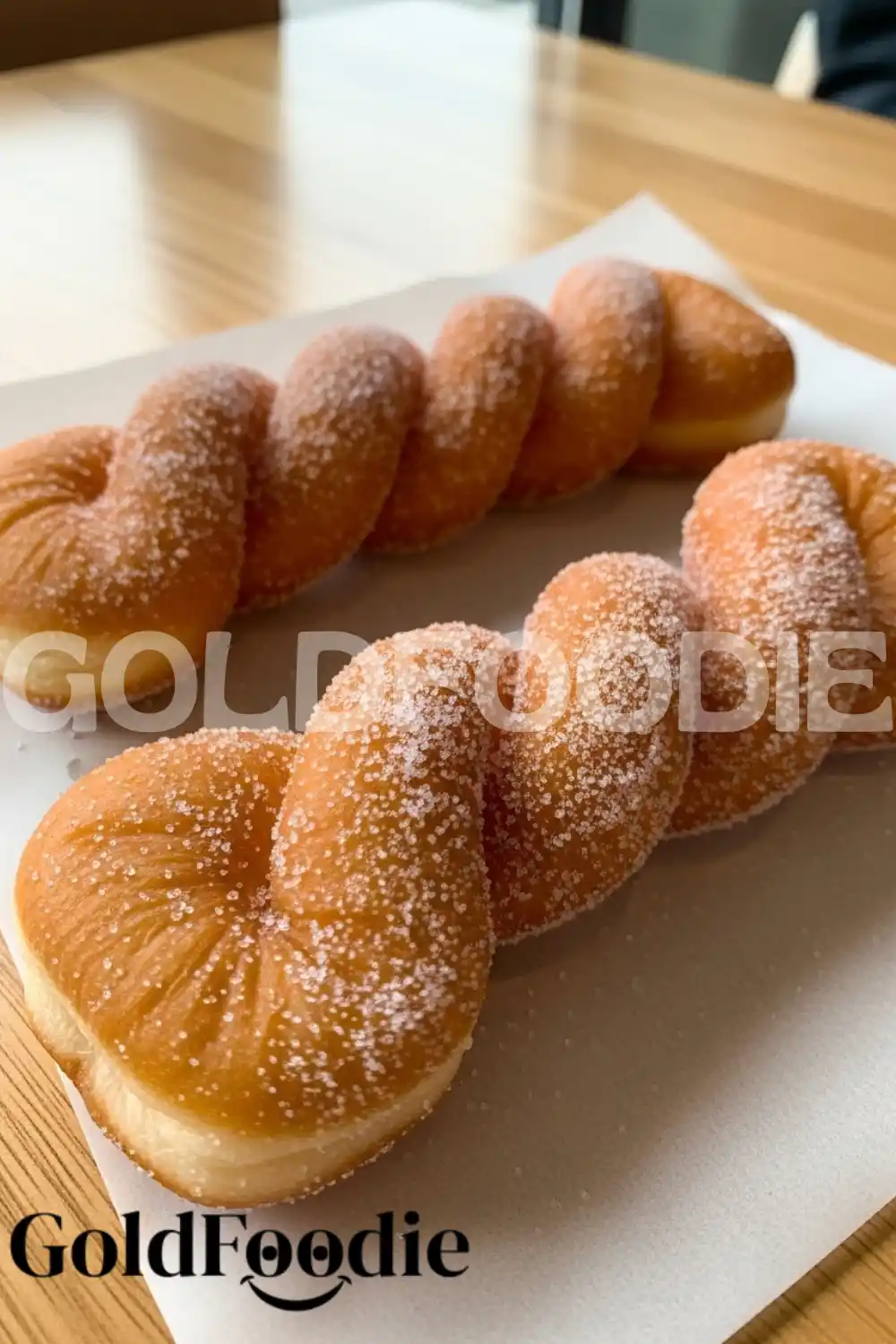
- Room Temperature: Store cooled Kkwabaegi in an airtight container at room temperature for up to 2 days. The sugar coating might slightly dissolve over time, but they will still be tasty.
- Freezing: For longer storage, flash freeze the cooled, unsugared Korean Twisted Donuts (Kkwabaegi) on a baking sheet until solid (about 1-2 hours). Then transfer them to a freezer-safe bag or container for up to 1 month. When ready to eat, thaw at room temperature.
- Reheating: To restore some of their freshly fried goodness, reheat Kkwabaegi in a preheated oven at 300°F (150°C) for 5-7 minutes, or until warmed through. Alternatively, a quick zap in the microwave (10-15 seconds) can work for individual donuts, though they might lose some crispness. Reheat frozen donuts directly in the oven for about 10-15 minutes, then dust with sugar. Enjoy your warm Korean Twisted Donuts (Kkwabaegi) again!
While savoring your Kkwabaegi, consider making a quick and tasty side dish like Asian Beef Stir-Fry Easy Tender Dinner Idea. This pairing will round out your meal and enhance the overall dining experience.
What to Serve With This Recipe
These Korean Twisted Donuts (Kkwabaegi) are delightful on their own, but pairing them with the right accompaniments can elevate the experience while maintaining a focus on balanced nutrition. As Rocco Fuhrman emphasizes, every meal is an opportunity for wellness.
- Fresh Fruit Salad: A vibrant bowl of mixed berries, melon, and kiwi offers a refreshing counterpoint to the sweet Kkwabaegi, adding essential vitamins and fiber.
- Greek Yogurt with Honey: A dollop of protein-rich Greek yogurt, lightly drizzled with honey, provides a creamy and tangy element that complements the donut while boosting your protein intake.
- Light Herbal Tea or Green Tea: A warm, unsweetened cup of green tea not only aids digestion but also offers antioxidants, perfectly balancing the sweetness of the Korean Twisted Donuts (Kkwabaegi).
- Nut Butter Dip: For an extra protein and healthy fat boost, prepare a small bowl of almond or peanut butter thinned slightly with water or milk, perfect for dipping your Korean Twisted Donuts (Kkwabaegi).
- Protein Smoothie: Pair your Kkwabaegi with a quick, nutrient-dense protein smoothie packed with spinach, banana, and your favorite protein powder for a truly satisfying and balanced breakfast or snack.
Frequently Asked Questions (FAQ)
What makes Korean Twisted Donuts (Kkwabaegi) different from regular donuts?
Korean Twisted Donuts, or Kkwabaegi, stand out due to their distinctive twisted shape and lighter, chewier texture compared to a typical American donut. They are often made with a slightly less sweet dough and are typically coated in granulated sugar rather than frosted or glazed. This unique preparation results in a satisfying chewiness and a delicate crispy crust.
The yeast dough is carefully kneaded to develop gluten, contributing to the signature elastic feel of the Korean Twisted Donuts (Kkwabaegi). Their simplicity in flavor profile allows the texture to truly shine, making them a beloved street food snack in Korea.
Can I bake these Kkwabaegi instead of frying them for a healthier option?
While traditional Korean Twisted Donuts (Kkwabaegi) are deep-fried to achieve their signature crispy exterior and fluffy interior, you can certainly try baking them for a lighter version.
To bake, after the second rise, brush the shaped Kkwabaegi lightly with milk or an egg wash, and bake in a preheated oven at 375°F (190°C) for 12-18 minutes, or until golden brown. Keep in mind that the texture will be different from fried Kkwabaegi—they will be softer and more bread-like, lacking the distinct fried crispness.
However, it’s a perfectly valid and healthier alternative, especially if you’re mindful of your fat intake. You can still dust them with sugar or cinnamon-sugar after baking for that familiar sweetness.
How can I ensure my Korean Twisted Donuts (Kkwabaegi) are fluffy and not dense?
Achieving fluffy Korean Twisted Donuts (Kkwabaegi) hinges on several critical steps. First, ensure your yeast is fresh and properly activated with warm (not hot!) milk; vigorous foaming indicates active yeast. Second, thorough kneading is non-negotiable.
Develop the gluten by kneading the dough until it’s smooth and elastic, whether by hand or with a stand mixer. This creates the structure for air pockets. Third, allow for sufficient rising time during both the first and second proofs.
The dough should double in size and look visibly puffy. Finally, maintain the correct oil temperature during frying. Too low, and the Kkwabaegi will absorb excess oil, becoming dense and greasy.
Too high, and they will brown before cooking through. Following these precise steps will guarantee light, airy, and utterly delicious Korean Twisted Donuts (Kkwabaegi) every time.
Korean Twisted Donuts, known as Kkwabaegi, are a beloved street food delicacy characterized by their sweet, fluffy texture and unique twisted shape. These unique donuts are often enjoyed fresh and are a great example of traditional Korean dessert culture, making them a must-try for any food enthusiast interested in international sweets.
Final Thoughts
Crafting these Korean Twisted Donuts (Kkwabaegi) is more than just baking; it’s about nourishing your family and building confidence in the kitchen. Embrace the process, savor the delicious outcome, and empower your wellness journey with every twist.
Nutrition Information (per serving)
Please note: This information is an estimate and can vary based on specific ingredients and cooking methods, especially frying oil absorption. The values below represent a single Korean Twisted Donut (Kkwabaegi).
| Nutrient | Amount |
|---|---|
| Calories | 220-280 kcal |
| Protein | 5-7g |
| Carbohydrates | 30-40g |
| (of which sugars) | 8-12g |
| Fat | 8-15g |
| (of which saturated) | 2-4g |
| Fiber | 1-2g |
| Sodium | 100-150mg |
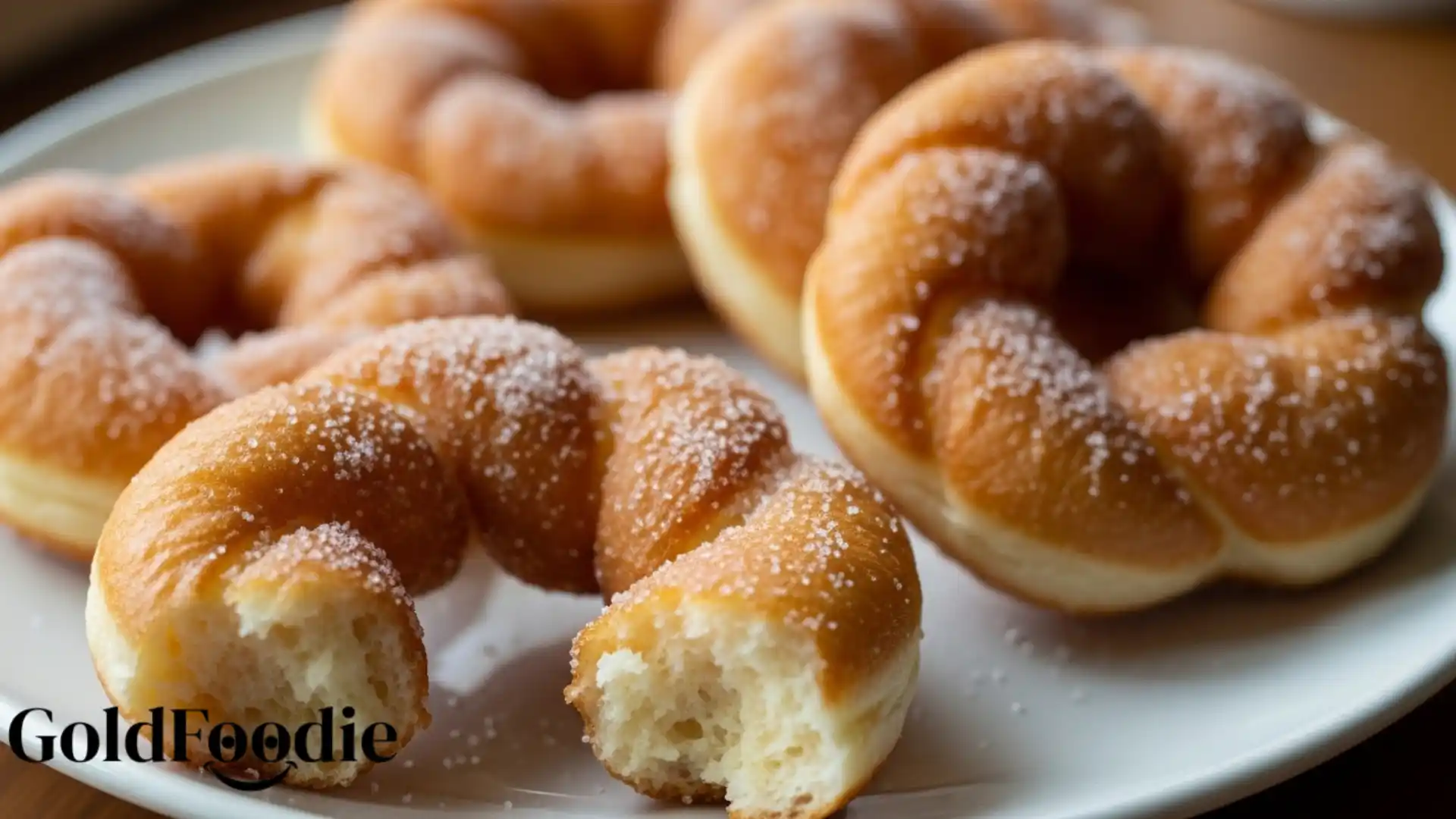
Korean Twisted Donuts (Kkwabaegi)
Ingredients
Method
- Activate the yeast by combining warm milk, 1 teaspoon sugar, and yeast. Let it sit for 5-10 minutes until foamy.
- Combine the remaining sugar, egg, melted butter, and salt with the yeast mixture. Whisk together thoroughly.
- Gradually add flour, one cup at a time. Use a stand mixer with a dough hook or knead by hand until a shaggy dough forms.
- Knead the dough until smooth and elastic, about 8-10 minutes in a mixer or 10-15 minutes by hand.
- Let the dough rise in a greased bowl covered with plastic wrap or a damp cloth for 1-1.5 hours until doubled in size.
- Punch down the dough, divide it into equal pieces, roll each into a rope, and twist into a loop.
- Cover the shaped donuts and let them rise for 30-45 minutes until puffy.
- Heat oil in a large pot to 325-350°F (160-175°C).
- Fry the donuts in batches for 1-2 minutes per side until golden brown.
- Drain on a wire rack over paper towels and sprinkle with sugar while warm.
- Serve immediately to enjoy fresh.
Notes

Diabetes Nutrition Specialist | Healthy Diet Advocate | Founder of GoldFoodie.
My passion for nutrition began with a deeply personal journey supporting my father through his battle with diabetes. Watching his daily struggles made me realize how powerful the right food choices can be in improving quality of life. That experience drove me to dedicate my career to helping others live healthier, more balanced lives.
- Rocco Fuhrman

- Rocco Fuhrman
- Rocco Fuhrman
- Rocco Fuhrman