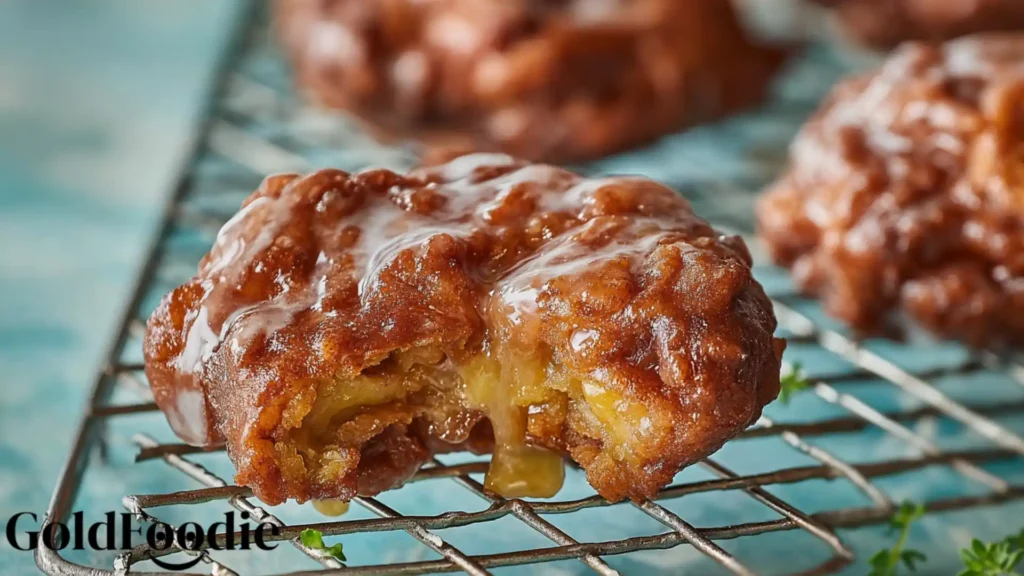
There’s something special about biting into a warm, crispy apple fritter especially when the glaze melts over the ridges and cracks. For many, it’s a nostalgic fall favorite that reminds them of cozy mornings, local fairs, or quick stops at the donut shop. But nothing beats the satisfaction of making glazed apple fritters at home.
This guide is all you need to master both quick and traditional apple fritter recipes. Whether you want a fast fix ready in 30 minutes or a slow-rise doughnut-style fritter with that chewy, airy bite, it’s all here. You’ll also get multiple glaze options, baking and air frying tips, and solutions to every fritter fail.
And yes, we’re finally settling the big debate: should you go with yeast or skip it? Keep reading to find out which apple fritter is right for you.
Table of Contents
Which Fritter is for You? Yeast vs. No-Yeast
Before diving into the full recipe, let’s figure out which glazed apple fritter fits your style. This section will help you choose between a quick batter-based version and the classic yeast-raised approach.
No-Yeast Apple Fritters
If you’re short on time or just want a quick treat, this version is for you. These easy apple fritters are made with baking powder instead of yeast. They come together fast, usually in under 30 minutes. The texture is soft and cake-like with a golden crisp outside. Perfect for weekday cravings or last-minute brunch plans.
Yeast-Raised Apple Fritters
If you’re aiming for that true donut-shop experience, go with the yeast-raised version. These take more time due to the rising and proofing process, but the result is worth it. You’ll get a fritter that’s light, chewy, and full of deep flavor. Ideal for weekends or when you want to impress.
Which One Should You Make?
If you need something quick, scroll down to the No-Yeast Apple Fritter Recipe. If you’re up for a fun kitchen project, head straight to the Classic Yeast-Raised Recipe. Either way, you’re in for a treat.
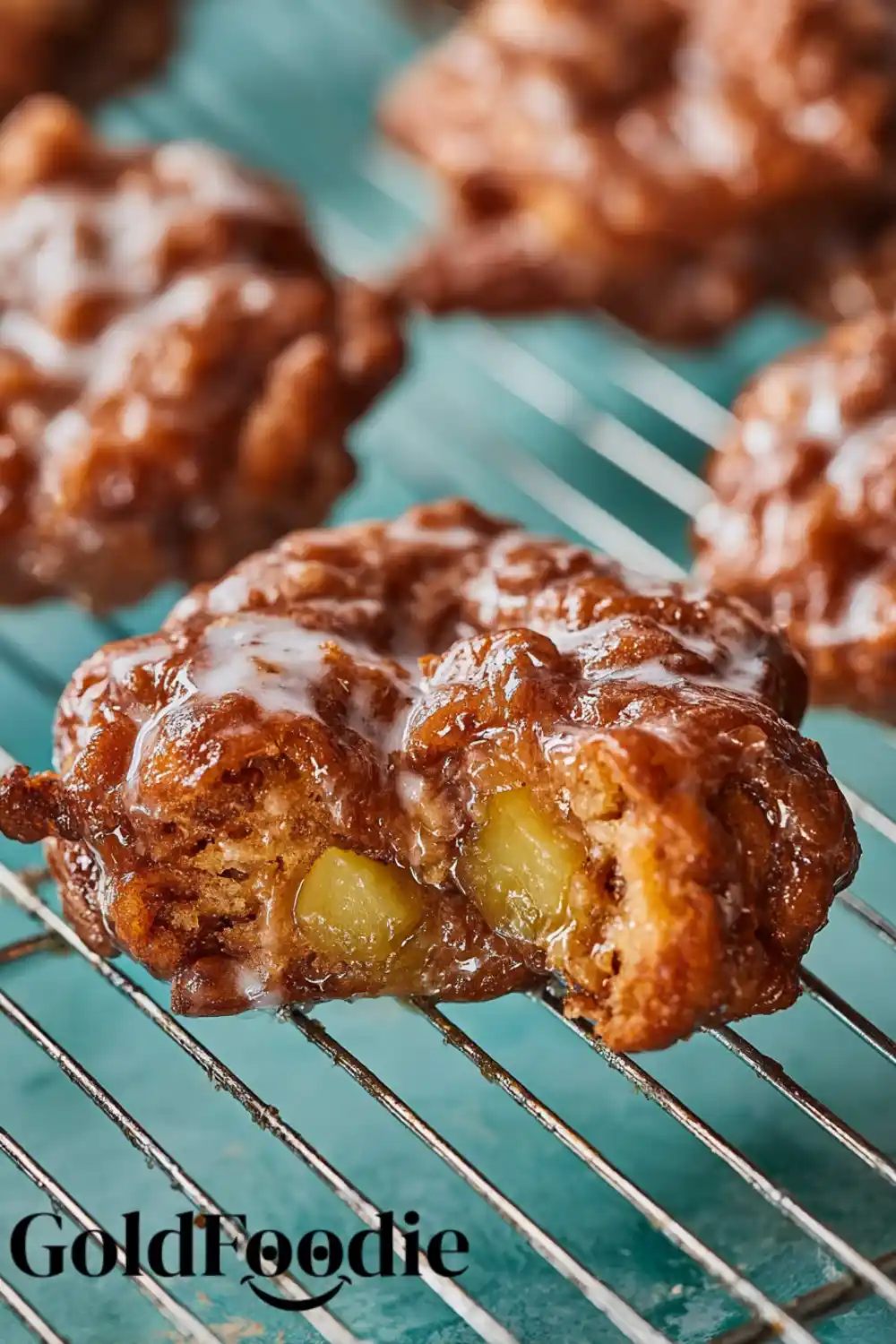
⭐️⭐️⭐️⭐️⭐️
According to the University of Northern Iowa dining label, one serving of apple fritters contains approximately 214 calories, 8.5 g fat, 30.8 g carbohydrates, and 3.2 g protein.
You’ll Also Love
Ingredients Needed for Glazed Apple Fritters
Here’s everything you’ll need to make perfect glazed apple fritters at home. The ingredients are grouped by component to make prep easier and smoother.
For the apple filling
- 2 and 1/2 pounds Granny Smith apples, peeled, cored, and diced
- 2 teaspoons fresh lemon juice to keep apples from browning
- 3 tablespoons unsalted butter for sautéing
- 2 teaspoons ground cinnamon for warm spice
- 1/4 cup granulated sugar to lightly sweeten the apples
- 1/4 cup apple cider vinegar for tang and depth
For the dough
- 1 packet active dry yeast which equals 2 and 1/4 teaspoons
- 3 and 1/4 cups unbleached all-purpose flour divided
- 1/3 cup granulated sugar to sweeten the dough
- 1 teaspoon salt for balance
- 1 teaspoon ground cinnamon for flavor
- 1/2 cup whole milk, warmed slightly
- 2 large eggs, lightly beaten and at room temperature
- 1/3 cup unsalted butter, softened to mix smoothly
- Vegetable oil for deep frying
For the glaze
- 1 and 1/2 cups powdered sugar sifted
- 3 to 4 tablespoons milk depending on desired thickness
- 1 teaspoon vanilla extract for flavor
These ingredients create the base for classic glazed apple fritters that are crispy outside and soft inside with just the right amount of sweetness.
How to Make Glazed Apple Fritters (Step-by-Step)
Follow these clear steps to make your own glazed apple fritters from scratch. This method focuses on the yeast-raised version for that light, donut-shop texture.
1. Prep the apples
Peel, core, and chop the apples into small pieces. Place them in a bowl of ice-cold water with lemon juice to keep them from browning. Press a piece of parchment paper over the apples so they stay submerged. Set aside or refrigerate if prepping ahead. You can store them for up to 24 hours.
2. Make the dough
In the bowl of a stand mixer fitted with a dough hook, combine the yeast, 3 cups of flour, sugar, salt, and cinnamon. Give it a quick mix to blend the dry ingredients. Add in the warm milk and beaten eggs. Mix on low until the dough comes together around the hook.
3. Add the butter gradually
With the mixer running, add the softened butter one tablespoon at a time. Let each piece blend fully before adding the next. If the dough loosens from the hook, add the extra 1/4 cup of flour one tablespoon at a time until it tightens back up.
4. Let the dough rise
Transfer the dough to a lightly oiled bowl. Turn it to coat the surface and cover with a clean towel. Let it sit in a warm spot until doubled in size. This usually takes about 1 to 2 hours. While the dough rises, make the apple filling.
5. Cook the apple filling
In a skillet over medium-high heat, melt the butter until it browns and smells nutty. Drain the apples and add them to the pan. Sprinkle in the cinnamon and sugar. Cook until the apples are tender. Pour in the apple cider vinegar and continue cooking until most of the liquid has reduced. Let the filling cool.
6. Assemble the fritters
Turn the risen dough onto a floured surface. Roll it out into a rectangle about half an inch thick. Scatter three-quarters of the cooled apples across the dough. Roll it up into a log shape.
7. Fold in more apples
Rotate the log so it runs across you. Gently flatten it and scatter the rest of the apples over the top. Roll it up again like a snail shell to create a rough ball of apple-filled dough.
8. Shape the fritters
Roll the dough ball into another rectangle about half an inch thick. If any apples fall out, press them back into the dough. Use a bench scraper or knife to cut the dough into 12 squares. Pinch the corners of each square into the center to form a rough circle. It’s okay if some filling is visible.
9. Proof the fritters
Place the shaped fritters on a parchment-lined baking sheet. Loosely cover with plastic wrap and let them rise until they puff up, about 30 minutes.
10. Make the glaze
Sift the powdered sugar into a mixing bowl. Add milk and vanilla extract. Stir until smooth. If the glaze thickens while sitting, microwave it in 10-second intervals to loosen it.
11. Fry the fritters
Heat oil in a Dutch oven to 360°F. Line a wire rack with paper towels. Gently lower a few fritters at a time into the hot oil. They should float. Fry for 30 to 60 seconds on each side until golden brown. Remove with a slotted spoon and let drain on the rack. Let the oil return to the correct temperature before frying the next batch.
12. Glaze and serve
While the fritters are still warm, brush the glaze over the top. Serve your homemade glazed apple fritters immediately for the best texture and flavor.
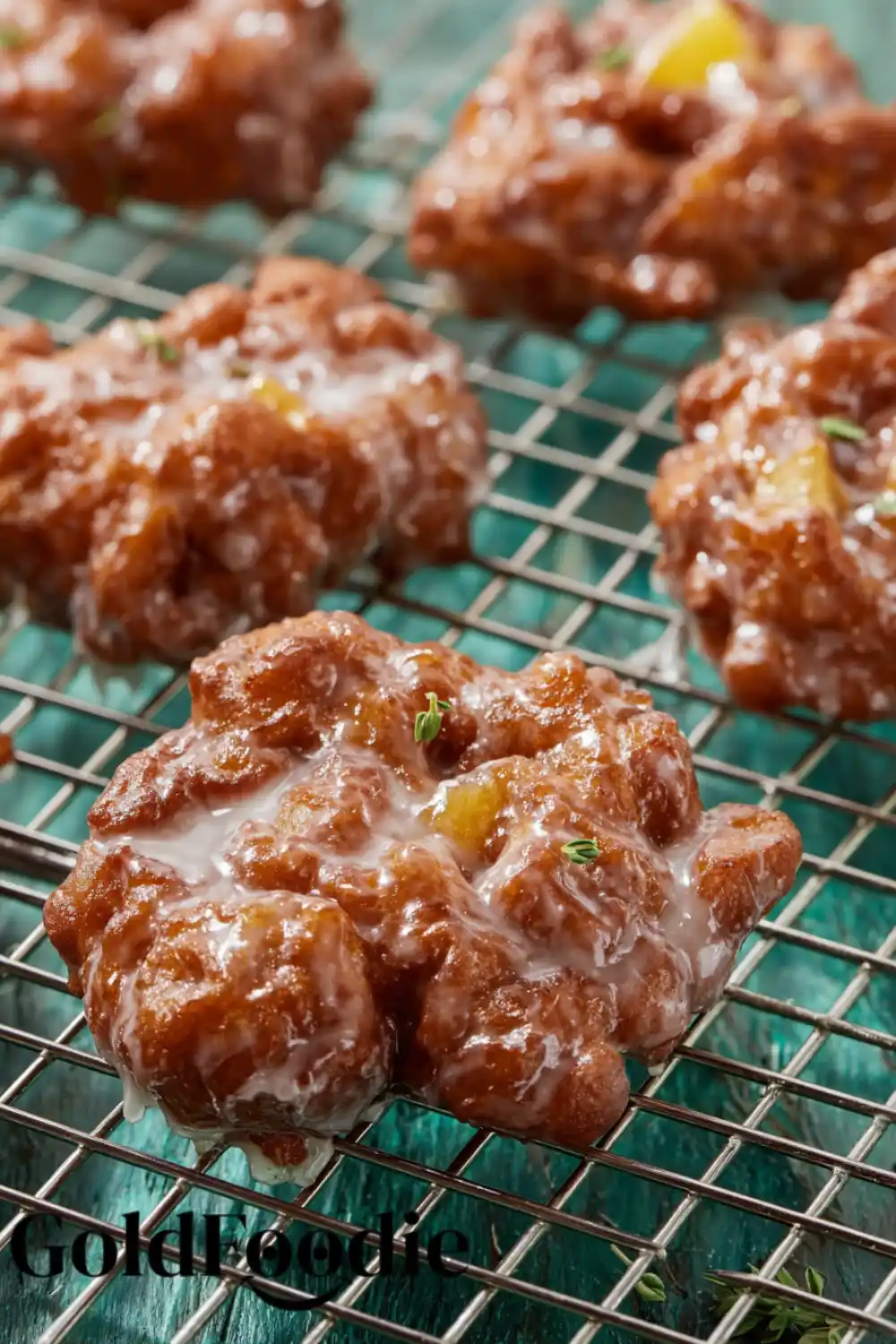
The Ultimate Glaze Library: 4 Ways to Finish Your Glazed Apple Fritters
One glaze does the job, but having options makes your glazed apple fritters even better. These four variations let you customize the final flavor and texture to match the season, your cravings, or your creativity.
Classic Vanilla Bean Glaze
This smooth and sweet glaze brings out the cinnamon and apple flavors in every fritter. Mix powdered sugar, milk, and real vanilla extract until smooth. For a deeper flavor, scrape a vanilla bean pod into the glaze instead of using extract.
Spiced Apple Cider Glaze
Boil down apple cider until it thickens and intensifies in flavor. Mix it with powdered sugar and a pinch of cinnamon. This glaze adds a warm, fall-inspired taste that highlights the apple in the fritters.
Salted Maple Glaze
Use real maple syrup, powdered sugar, and a small pinch of sea salt. Stir until silky. This glaze offers a sweet and salty finish that pairs beautifully with the rich dough and soft apple bits.
Cinnamon Sugar Dusting
For a simpler topping, skip the glaze and toss warm fritters in a mix of cinnamon and sugar. This gives them a crunchy exterior and classic bakery-style taste without the extra sweetness of a liquid glaze.
Each of these options works perfectly with either the quick or classic version of glazed apple fritters. Try one or rotate through all four to keep things interesting.
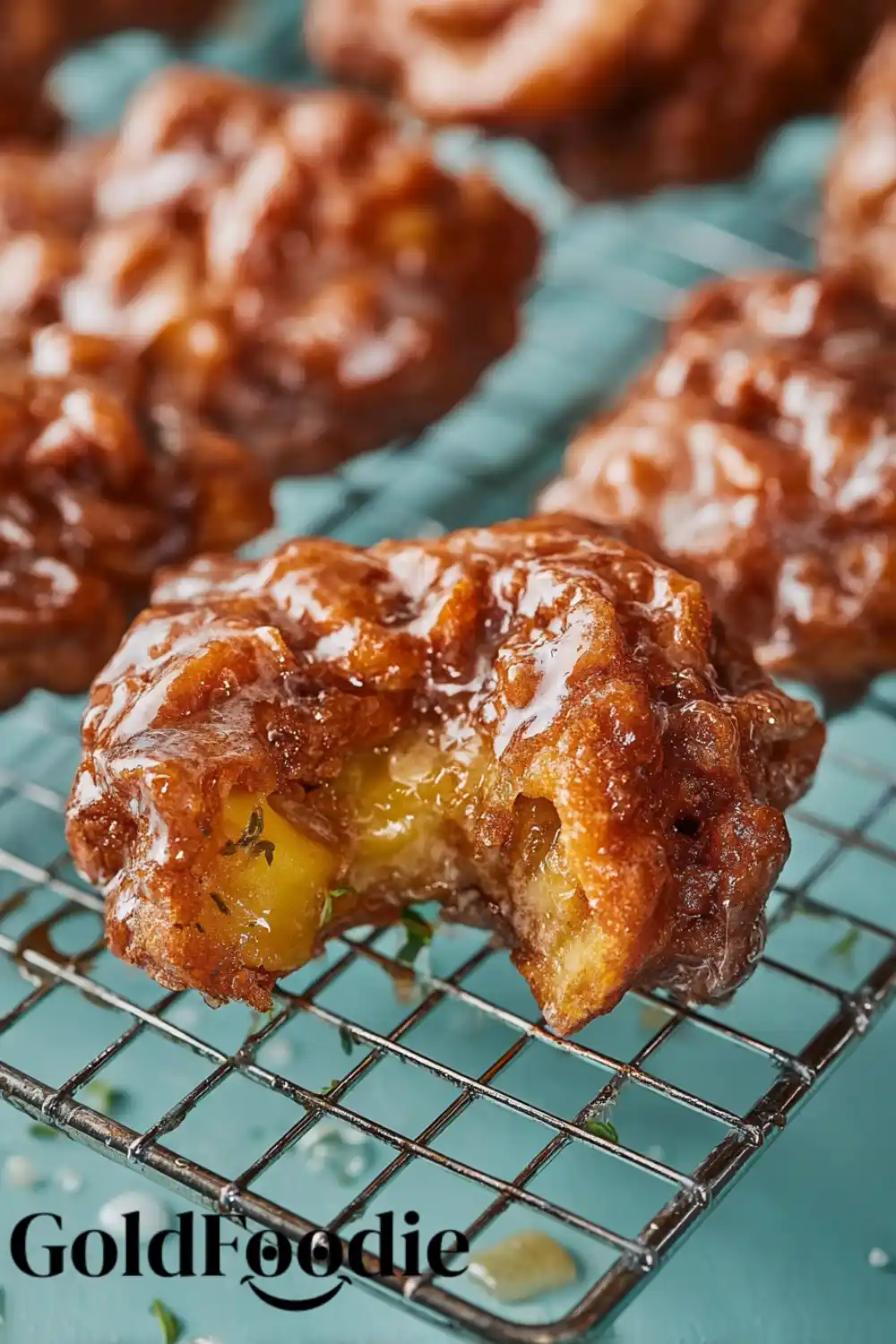
Glazed Apple Fritters
Ingredients
Method
- Peel, core, and chop the apples. Toss with lemon juice to prevent browning and set aside.
- In a skillet, melt butter and sauté apples with cinnamon, sugar, and vinegar until tender. Let cool.
- In a mixer, combine yeast, 3 cups flour, sugar, salt, and cinnamon. Mix in warm milk and eggs until a dough forms.
- Add softened butter gradually while mixing. Add remaining flour if needed until dough tightens.
- Transfer dough to an oiled bowl, cover, and let rise until doubled, about 1–2 hours.
- Turn dough onto a floured surface. Roll out and scatter three-quarters of the apple filling over it. Roll into a log, flatten, and add remaining apples. Roll again to form a rough ball.
- Roll dough to 1/2-inch thickness, cut into 12 squares, and pinch corners into centers to form rough circles.
- Place fritters on parchment-lined baking sheet, cover loosely, and let proof for 30 minutes.
- For the glaze, whisk together powdered sugar, milk, and vanilla until smooth. Adjust thickness as desired.
- Heat oil in Dutch oven to 360°F (182°C). Fry fritters 30–60 seconds per side until golden brown. Drain on a rack.
- Brush warm fritters with glaze and serve immediately.
Notes
Not Just for Frying: Baked and Air Fryer Instructions for Glazed Apple Fritters
If you love glazed apple fritters but prefer to skip deep frying, you’re not out of luck. The no-yeast version works especially well for baking and air frying. While the texture is slightly different, these methods still produce a tasty result with less oil.
How to Bake Apple Fritters
Preheat your oven to 375°F. Line a baking sheet with parchment paper and lightly grease it. Place shaped fritters on the tray, spacing them apart so they have room to expand. Brush the tops with melted butter to help with browning.
Bake for 15 to 18 minutes until golden on the edges and cooked through. Let them cool for a few minutes before adding your glaze. Baked fritters will be softer than fried ones but still full of flavor.
How to Make Apple Fritters in the Air Fryer
Preheat your air fryer to 350°F. Line the basket with parchment paper or lightly spray it with oil. Arrange the fritters in a single layer, leaving space between each one. Lightly spray the tops with oil for even coloring.
Cook for 7 to 9 minutes or until the fritters are golden and cooked through. Let them cool slightly before glazing. The air fryer version gives you a crisp edge without the heaviness of deep frying, making it a solid choice for a lighter take on glazed apple fritters.
Troubleshooting Guide: Solving Common Glazed Apple Fritter Problems
Even the best home cooks run into issues when making glazed apple fritters. This guide solves the most common problems so you can avoid frustration and get perfect results every time.
Problem: My fritters are greasy and soggy
Solution: Your oil temperature was too low. Always use a thermometer and keep the oil between 350 and 375°F. If the oil drops below this range, the fritters will soak up too much oil instead of cooking properly.
Problem: My fritters are burnt outside but raw inside
Solution: The oil was too hot. When the oil goes above 375°F, the outside cooks too fast while the inside stays doughy. Lower the heat slightly and fry a test fritter first to check timing.
Problem: My glaze is too thick or too thin
Solution: To thicken a runny glaze, add a tablespoon of powdered sugar at a time until it reaches the right consistency. To thin a glaze that’s too stiff, stir in a teaspoon of milk until it’s smooth and pourable.
With these tips, your glazed apple fritters will turn out crispy on the outside, soft on the inside, and perfectly coated every time
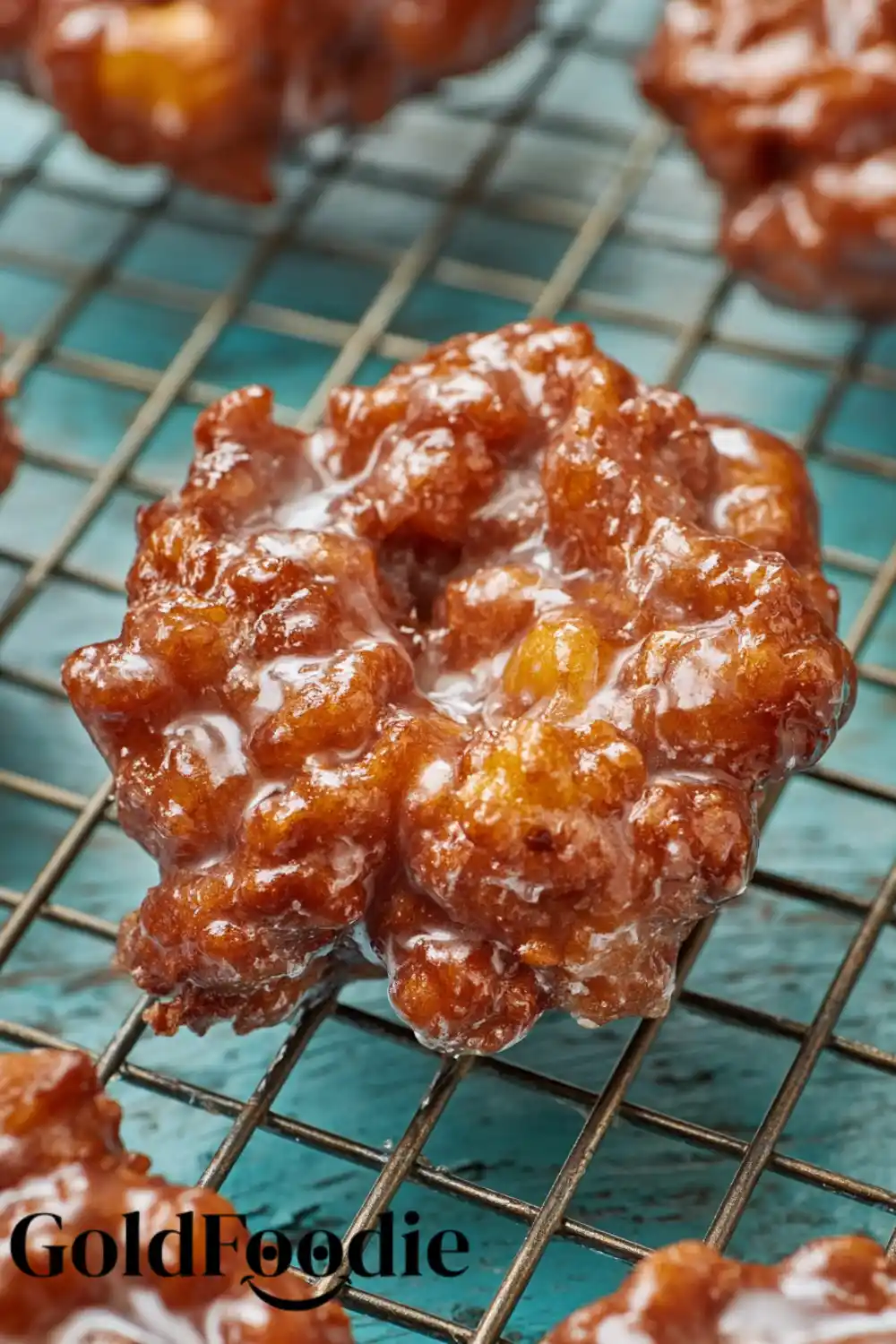
How to Store and Reheat Glazed Apple Fritters
Glazed apple fritters taste best right after frying, but you can still enjoy leftovers if stored and reheated correctly.
Storage Tips
Place completely cooled fritters in an airtight container. Keep them at room temperature for up to two days. Avoid stacking them directly on top of each other to protect the glaze. If you need to layer them, place a piece of parchment paper between each layer.
How to Reheat for Best Texture
To bring back the crisp texture, reheat fritters in the oven. Set the oven to 350°F and place the fritters on a baking sheet. Warm for five to ten minutes until heated through.
Avoid using the microwave if possible. It tends to make the glaze melt and the fritters turn soft and soggy. The oven is your best option for preserving the flavor and texture of your homemade glazed apple fritters.
Frequently Asked Questions (FAQ)
Why are my glazed apple fritters not crispy?
Your oil might have been too cool when frying. The right temperature range is 350 to 375°F. Use a thermometer to keep the heat steady for a crispy outside.
What is the best apple to use for apple fritters?
Granny Smith apples are a top choice because their tartness balances the sweet glaze. Other good options include Honeycrisp, Fuji, or Gala for a slightly sweeter flavor.
What is the best oil for deep frying apple fritters?
Choose a neutral oil with a high smoke point. Vegetable oil or canola oil works well. These options let the apple and cinnamon flavors stand out without any extra taste from the oil.
What are the glazed fritters on regular show?
This likely refers to a pop culture or TV moment. While many shows feature food, recipes like these glazed apple fritters are meant for real kitchens. You don’t need a stage to enjoy them just a pan, some apples, and a sweet glaze.
Medical Disclaimer
The information provided in this glazed apple fritters recipe is for general purposes only. It is not intended to serve as medical advice, diagnosis, or treatment.
Always consult your doctor or a qualified healthcare professional before making changes to your diet or addressing any health concerns. This recipe includes ingredients that may not be suitable for all individuals. Do not ignore professional medical advice because of something you read here. Your health and safety come first.
Final Thoughts
Now you have everything you need to make the best glazed apple fritters at home. Whether you chose the quick no-yeast version or the classic yeast-raised dough, both deliver that irresistible mix of crispy outside and tender apple-filled inside.
You also got a full menu of glaze options, alternative cooking methods, and solutions to common fritter problems. This guide is built to help you create a fritter that fits your time, taste, and kitchen setup.
Which version did you make the quick no-yeast or the classic yeast-raised? And which glaze was your favorite? Let me know in the comments below.

High-Protein Nutrition Specialist and Wellness Advocate with over a decade of experience.
My human-first approach blends science-backed guidance with real-life empathy, shaped by my own journey through fatigue and muscle loss. Today, I help people reclaim strength, energy, and confidence through high-protein nutrition that’s both practical and empowering.
- Anne Newgent

- Anne Newgent
- Anne Newgent
- Anne Newgent