This post contains affiliate links. As an Amazon Associate, I earn from qualifying purchases. This comes at no extra cost to you.
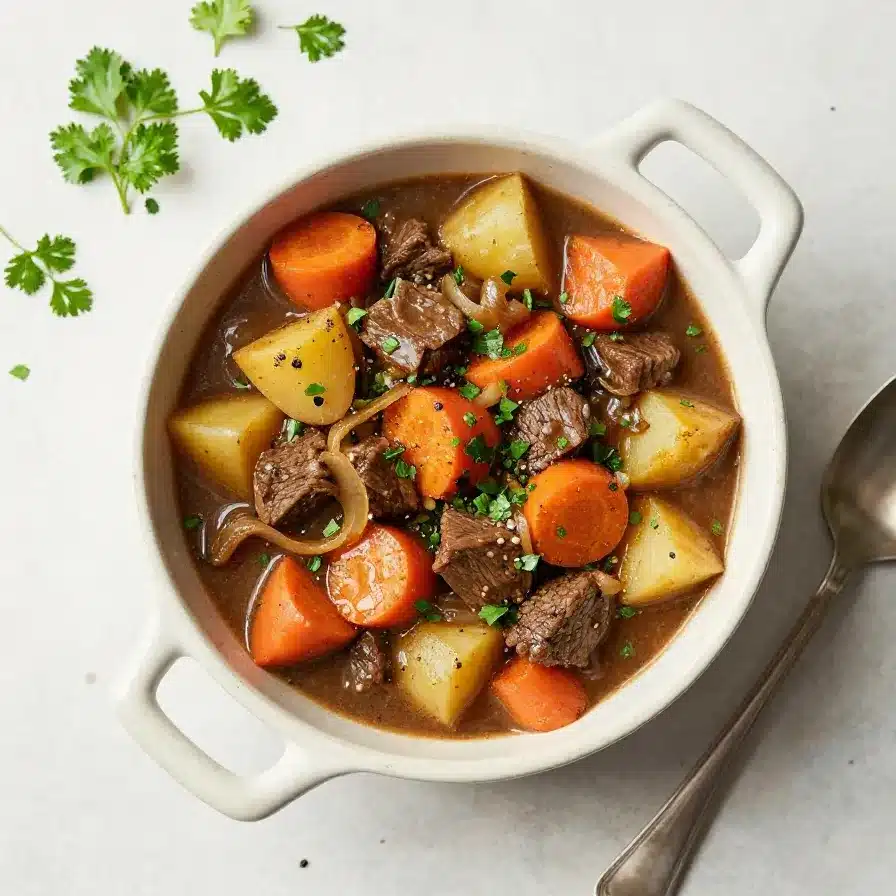
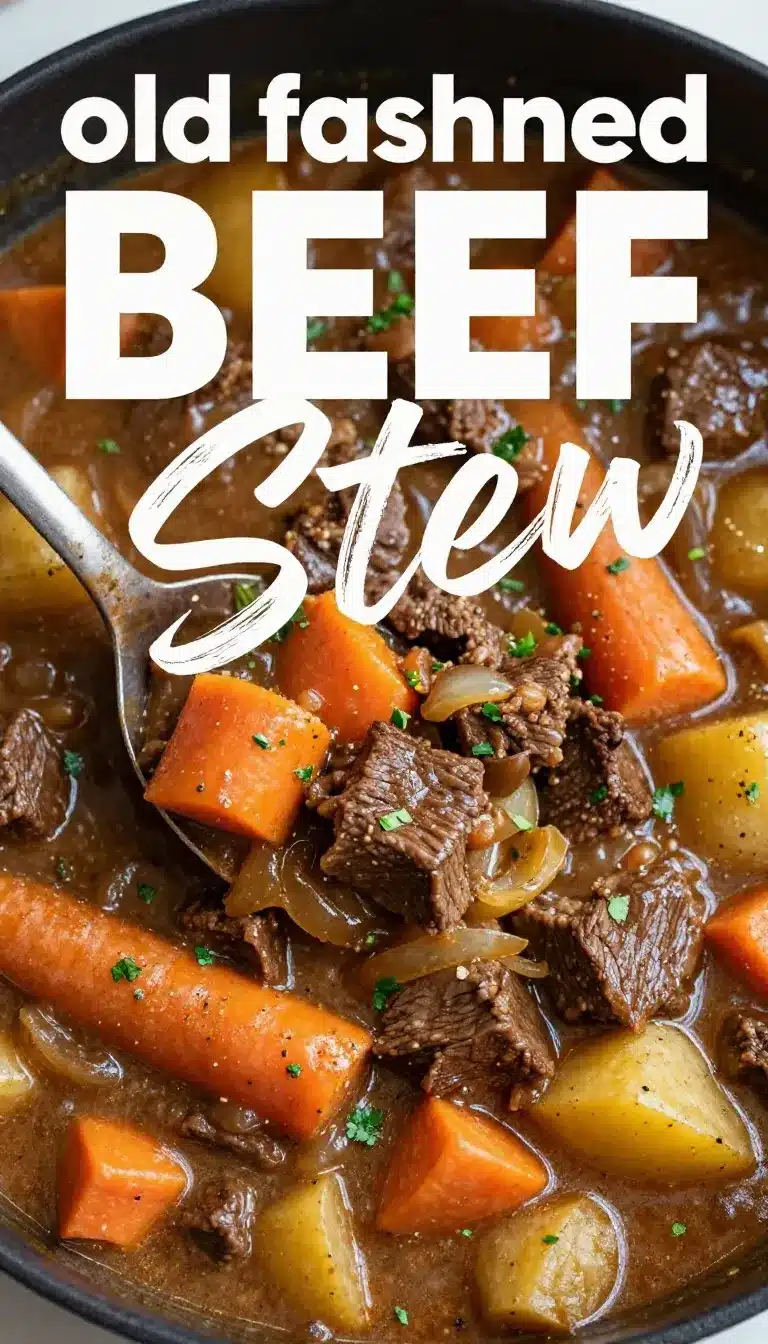
Crockpot thick beef stew is an Old Fashioned Beef Stew Recipe made with flour-coated beef stew meat, onion, garlic, beef broth, optional red wine, tomato paste, Worcestershire sauce, thyme, bay leaves, carrots, potatoes, celery, peas, and parsley. It simmers on low heat for 2 hours or more, for a total time of 2 hours 15 minutes plus prep, and serves 6. The result is a rich, spoon-coating pot with tender beef and well-seasoned vegetables.
I am Dominic, a New York City recipe developer with more than a decade in professional kitchens, and I test this Old Fashioned Beef Stew Recipe the same way I would for a busy home cook who still wants dependable results.
The broth turns deep and savory as the beef releases flavor into the pot, while the potatoes and carrots hold their shape just enough to make every bowl feel substantial. The final parsley garnish adds a clean finish that keeps the stew balanced instead of heavy.
I tested this version for a multi-generational family meal, and the timing held steady at 2 hours 15 minutes from start to finish. That matters when I want a dish that can anchor dinner without demanding constant attention.
Table of Contents
- Why does Old Fashioned Beef Stew Recipe work so well?
- What ingredients do you need for Old Fashioned Beef Stew Recipe?
- How do you make Old Fashioned Beef Stew Recipe step by step?
- Frequently Asked Questions About Old Fashioned Beef Stew Recipe
- What mistakes should you avoid with this stew?
- What expert tips make this stew even better?
- What should you serve with this stew?
Why does Old Fashioned Beef Stew Recipe work so well?
Old Fashioned Beef Stew Recipe works because it builds flavor in layers: flour-coated beef is browned first, then onion, garlic, tomato paste, broth, wine, herbs, and vegetables simmer until everything tastes unified. The 2-hour 15-minute timeline gives the beef time to soften while the broth becomes rich enough to serve as a full meal.
- It starts with a savory crust. Coating the beef with flour, salt, and black pepper helps the meat brown well and lightly thickens the broth later. That small step adds body without needing a separate thickener.
- It uses pantry-friendly structure. Onion, garlic, broth, tomato paste, Worcestershire sauce, thyme, and bay leaves create depth from ingredients that are easy to keep on hand. That makes this a practical dinner for cold-weather planning.
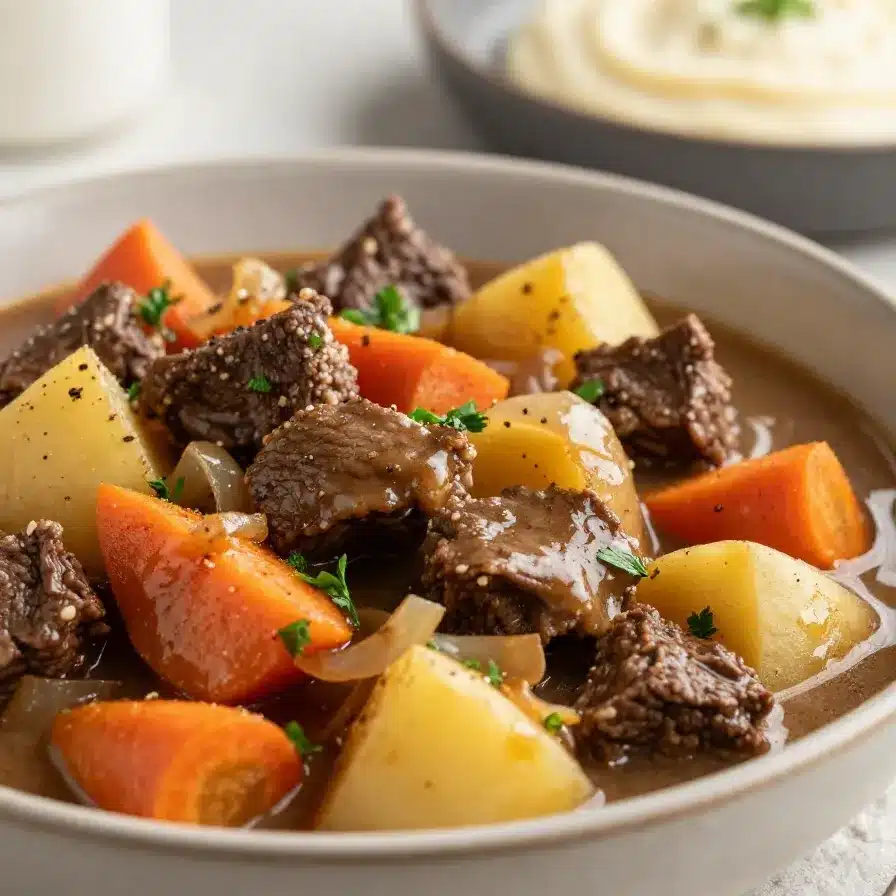
- It balances meat and vegetables. Carrots, potatoes, celery, and peas turn the pot into a complete meal rather than a side dish. The mix gives each bowl contrast in texture and color, including a Bowl Of Beef Stew With Carrots look that feels classic and satisfying.
- It holds up as a make-ahead dinner. After simmering, the flavors settle even more if the stew rests briefly before serving. I find that useful when I am serving a long dinner table and need one dependable pot to do the work.
Old Fashioned Beef Stew Recipe also fits the kind of winter cooking that benefits from root vegetables and staple ingredients. If you are building a cold-weather meal plan with hearty soups and stews, this dish gives you protein, vegetables, and a strong broth in one pot.
What ingredients do you need for Old Fashioned Beef Stew Recipe?
Old Fashioned Beef Stew Recipe uses a short, practical ingredient list built around beef, broth, potatoes, carrots, celery, and aromatics. The flour, tomato paste, Worcestershire sauce, thyme, and bay leaves give the broth thickness and depth, while the peas and parsley finish the pot with color and freshness.
- 2 tablespoons all-purpose flour
- 1 teaspoon salt
- 1/2 teaspoon black pepper
- 2 pounds beef stew meat, cut into 1-inch pieces
- 2 tablespoons vegetable oil
- 1 large onion, chopped
- 3 cloves garlic, minced
- 4 cups beef broth
- 1 cup red wine (optional)
- 2 tablespoons tomato paste
- 2 teaspoons Worcestershire sauce
- 1 teaspoon dried thyme
- 2 bay leaves
- 4 large carrots, peeled and cut into chunks
- 3 medium potatoes, peeled and cut into chunks
- 2 celery stalks, sliced
- 1 cup frozen peas
- 2 tablespoons chopped fresh parsley for garnish
The beef stew meat matters because 2 pounds gives the pot enough richness for 6 servings, and the flour helps create a fuller broth from the start. I also rely on the carrots and potatoes because they hold the stew together as a one-pot dinner without adding extra steps.
How do you make Old Fashioned Beef Stew Recipe step by step?
Old Fashioned Beef Stew Recipe is made by browning floured beef, building a savory base in a Dutch oven, then simmering the meat and vegetables until tender. The method is straightforward, but the timing matters: 1 hour and 15 minutes for the beef first, then 45 to 60 minutes after the vegetables go in.
Step 1 — Coat the beef
In a large bowl, combine the flour, salt, and black pepper. Add the beef and toss until evenly coated so every piece has a light, seasoned surface that helps with browning and body in the broth.
Step 2 — Brown the meat
Heat the vegetable oil in a large Dutch oven or heavy pot over medium-high heat. Brown the beef in batches on all sides, then transfer it to a plate so the pot stays hot enough to develop color instead of steaming the meat.
Step 3 — Cook the onion and garlic
Reduce the heat to medium and add the onion. Cook for 4 to 5 minutes, stirring often, until softened, then add the garlic and cook for 30 seconds. This short sauté builds the savory base without letting the garlic turn bitter.


Step 4 — Build the broth
Stir in the tomato paste and cook for 1 minute. Pour in the beef broth and red wine, if using, scraping up any browned bits from the bottom of the pot to bring all that flavor back into the stew.
Step 5 — Simmer the beef
Return the beef to the pot and add the Worcestershire sauce, thyme, and bay leaves. Bring to a gentle simmer, then cover and cook on low heat for 1 hour and 15 minutes so the meat begins to soften before the vegetables are added.
Step 6 — Add the vegetables
Add the carrots, potatoes, and celery. Cover and continue simmering for 45 to 60 minutes, or until the beef and vegetables are tender. I use this window to check that the potatoes are cooked through but still hold their shape.
Step 7 — Finish with peas and parsley
Stir in the frozen peas during the last 5 minutes of cooking. Remove the bay leaves and adjust seasoning with more salt and pepper if needed, then ladle the stew into bowls and garnish with fresh parsley before serving.
Frequently Asked Questions About Old Fashioned Beef Stew Recipe
Can I make this stew without wine?
Yes, Old Fashioned Beef Stew Recipe works well without wine. Replace the 1 cup of red wine with 1 additional cup of beef broth for a version that still has a rich, savory base.
How do I know when the beef is tender?
The beef is tender when it breaks apart easily with a spoon after the full simmering time. In this recipe, that usually means after 1 hour and 15 minutes with the beef, plus 45 to 60 minutes with the vegetables.
Why brown the beef first?
Browning adds deeper flavor to the Old Fashioned Beef Stew Recipe. It also leaves browned bits in the pot, which dissolve into the broth when you add the liquid.
Can I use this recipe for meal prep?
Yes, this recipe is well suited to meal prep because it makes 6 servings and holds its texture after cooking. The stew portioning is easy, and the broth stays substantial enough for reheating.
What should I serve with it?
Serve it with bread, a simple salad, or another vegetable side if you want a fuller dinner. I often keep the sides plain so the stew remains the main focus of the plate.
What mistakes should you avoid with this stew?
Old Fashioned Beef Stew Recipe depends on steady heat and patient simmering, so the main mistakes are rushing the browning, overcooking the garlic, or boiling the stew too hard. Each of those can flatten the flavor or toughen the beef instead of giving you a balanced bowl.
Do not skip browning the beef in batches, because crowding the pot lowers the heat and prevents real color from forming. Do not add the vegetables too early, because 45 to 60 minutes is enough time for them to become tender without turning mushy.
Do not forget to remove the bay leaves before serving, and do not over-salt at the start because the broth reduces slightly as it cooks. That final seasoning check matters most after the peas go in and the stew is ready to ladle.
What expert tips make this stew even better?
Old Fashioned Beef Stew Recipe improves when you treat the pot in stages and respect the order of each ingredient. Small details, like scraping the bottom of the pot and adding peas at the end, protect flavor and texture without adding extra work.
I measure the tomato paste and Worcestershire sauce carefully because both are concentrated and can dominate the broth if overused. That restraint keeps the stew savory rather than muddy, and it lets the beef stay at the center of the dish.
If you want a slightly thicker result, let the flour-coated beef do the work rather than adding extra thickeners. The flour from the coating and the starch from the potatoes already support a body-rich stew, which is one reason this fits Easy Crockpot Beef Stew style planning so well.
For home cooks who also browse Beef Stew Cubes Recipes Crockpot or Classic Slow Cooker Beef Stew ideas, this stovetop version offers the same dependable structure with direct control over the simmer. If you like a broader winter menu, pair this pot with our slow cooker beef stew with carrots and potatoes when you need another hearty option.
What should you serve with this stew?
Old Fashioned Beef Stew Recipe is a full meal, but the right side can make the plate feel complete without competing with the broth. I think in terms of texture and contrast: something crisp, something starchy, or something simple enough to let the stew stay center stage.
Crusty bread works well because it soaks up the broth and turns every spoonful into a more substantial bite. A simple green salad adds freshness and a lighter edge, which helps balance the 2 pounds of beef and the potatoes in each serving.
Steamed green vegetables can provide a clean counterpoint, especially if you want the meal to feel less heavy after a cold day. If you want a dessert after dinner, our old-fashioned blueberry cake donuts offer a separate, bakery-style finish without repeating the savory flavors of the stew.
For a winter table, I also like serving this alongside other pantry-forward meals that use beans, lentils, or cabbage in different parts of the week. That approach keeps dinner planning practical while still giving you variety across the season.
Old Fashioned Beef Stew Recipe
Ingredients
Equipment
Method
- In a large bowl, combine the flour, salt, and black pepper. Add the beef and toss until evenly coated.
- Heat the vegetable oil in a large Dutch oven or heavy pot over medium-high heat. Brown the beef in batches on all sides, then transfer to a plate.
- Reduce the heat to medium and add the onion. Cook for 4 to 5 minutes, stirring often, until softened. Add the garlic and cook for 30 seconds.
- Stir in the tomato paste and cook for 1 minute. Pour in the beef broth and red wine, scraping up any browned bits from the bottom of the pot.
- Return the beef to the pot and add the Worcestershire sauce, thyme, and bay leaves. Bring to a gentle simmer, then cover and cook on low heat for 1 hour and 15 minutes.
- Add the carrots, potatoes, and celery. Cover and continue simmering for 45 to 60 minutes, or until the beef and vegetables are tender.
- Stir in the frozen peas during the last 5 minutes of cooking. Remove the bay leaves and adjust seasoning with more salt and pepper if needed.
- Ladle the stew into bowls and garnish with fresh parsley before serving.
Notes
Loved this recipe? Save it to your favorite Pinterest board so you can easily find it later! ✨

Hi there, I’m chef living in New York City. Every morning, I wake up to the sounds of my little one’s laughter and the comforting routine of preparing breakfast for my family my husband, our child, and my beloved mother, who’s become both my rock and my inspiration since my father passed away. As the only daughter left in our family, I feel a deep responsibility to carry on his memory whenever I step into the kitchen.
- Dominique

- Dominique
- Dominique
- Dominique