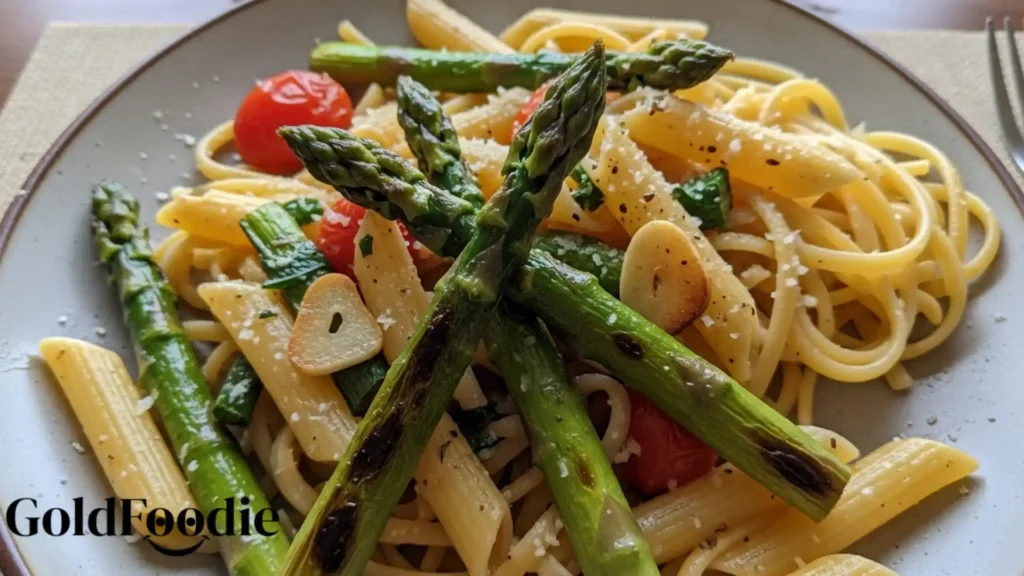
Experience the essence of spring with this vibrant asparagus pasta. Featuring tender-crisp asparagus spears and perfectly al dente pasta, coated in a light, savory sauce, it’s a dish that sings with seasonal flavor. This elegant yet simple recipe for Asparagus Pasta promises a delightful and nourishing meal, perfect for any table.
Table of Contents
Why You’ll Love This Asparagus Pasta Recipe
This delightful asparagus pasta brings so much joy and simplicity to your kitchen. It is a true testament to how easily fresh ingredients transform into something extraordinary. When you gather your family around the table for this wholesome meal, you will feel the warmth and love that good food creates.
- Effortlessly Elegant: You can create a restaurant-quality meal in under 30 minutes, perfect for busy weeknights or impromptu gatherings.
- Fresh & Flavorful: This asparagus pasta bursts with the bright, herbaceous taste of spring, making every bite a celebration of the season.
- Wholesome & Nourishing: Packed with vitamins from fresh asparagus and sustained energy from whole wheat pasta, it offers a healthy, satisfying option.
- Versatile & Adaptable: Easily customize this asparagus pasta with your favorite protein or extra vegetables to suit any dietary preference.
Ingredients You’ll Need
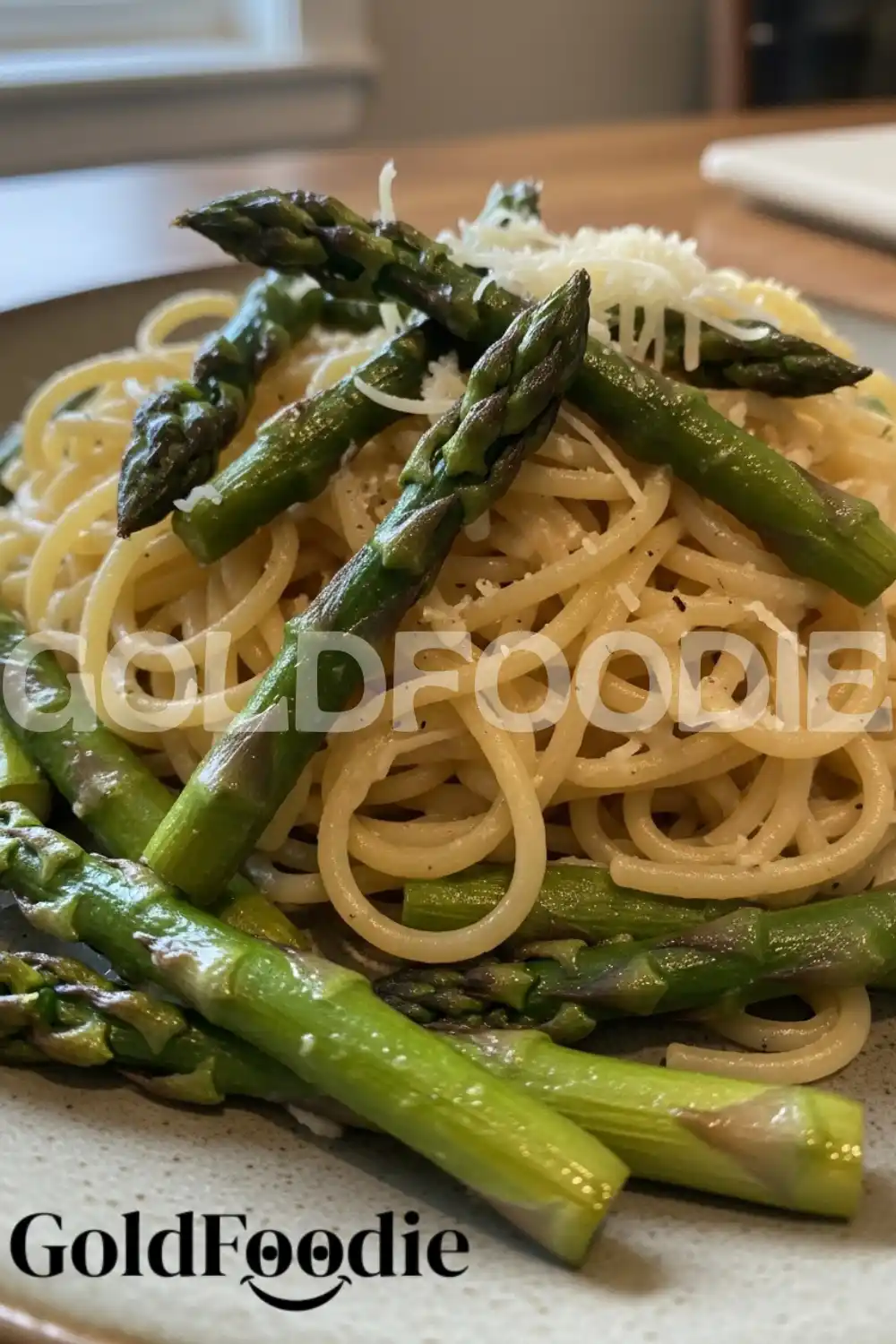
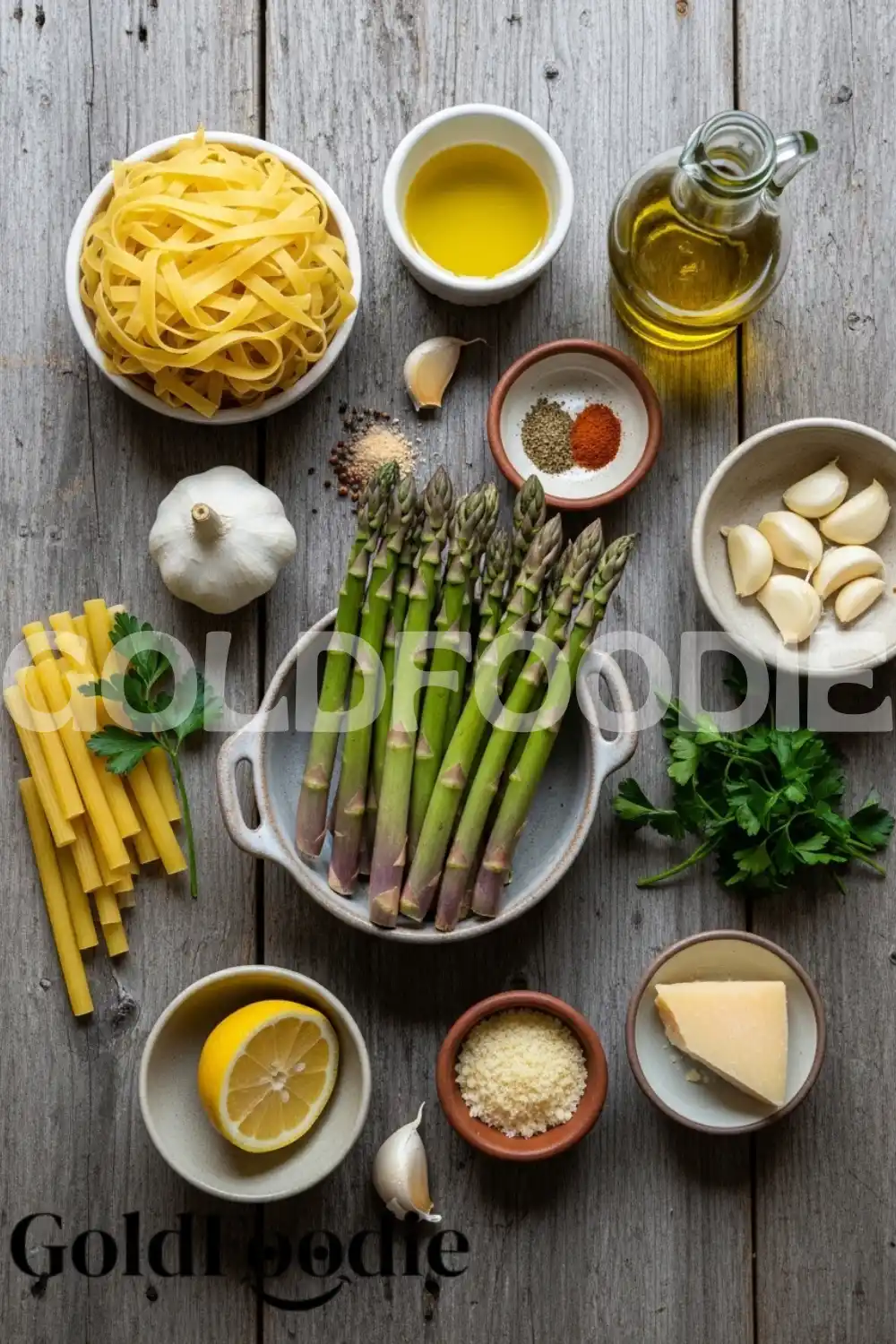
Creating this delicious Asparagus Pasta begins with selecting fresh, high-quality ingredients. Just like my grandmother always said, “Good food starts with good produce.” Look for vibrant green asparagus and a pasta that holds its shape beautifully. Each component plays a vital role in the final flavor, so take your time choosing the best.
- 1 pound short pasta: Penne, fusilli, orecchiette, or farfalle work wonderfully. Whole wheat pasta adds a wholesome touch.
- 1 pound fresh asparagus: Choose bright green, firm spears with tight tips.
- 4 cloves garlic: Freshly minced for the best aroma and flavor.
- ½ cup olive oil: A good quality extra virgin olive oil makes all the difference.
- ¼ cup fresh lemon juice: Squeezed from about 1-2 lemons, adding a bright, zesty finish.
- ½ cup grated Parmesan cheese: Freshly grated for superior taste and texture.
- ¼ cup fresh parsley: Finely chopped, for a pop of color and herbaceous freshness.
- Red pepper flakes: ¼ to ½ teaspoon, optional, for a gentle warmth.
- Salt and freshly ground black pepper: To taste, enhancing all the natural flavors.
- ½ cup pasta water: Reserved from cooking the pasta, crucial for a silky sauce.
Substitutions & Variations
Part of the joy of cooking lies in making a recipe your own, adapting it to what you have on hand or what your family loves. This classic Asparagus Pasta is incredibly flexible. Embrace these healthy swaps to truly personalize your meal, ensuring it meets your dietary needs and taste preferences while still being utterly delicious. Remember, cooking should be a creative, joyful process!
- For a protein boost, add grilled chicken, sautéed shrimp, or pan-seared chickpeas.
- Introduce other spring vegetables like peas, spinach, or snap peas during the last few minutes of cooking.
- Make it dairy-free by omitting the Parmesan or using a plant-based alternative.
- Swap half the olive oil for a light vegetable broth for a lower-fat sauce.
- Incorporate sun-dried tomatoes or toasted pine nuts for added texture and depth of flavor.
[ra_display_video url=”https://www.youtube.com/watch?v=b4-vYRraik4″]
Consider adding a little twist to your dish by exploring alternatives like Creamy Parmesan Asparagus for a rich and satisfying flavor that complements your pasta beautifully.
Equipment You’ll Need
Gathering your tools before you start cooking makes the process smooth and enjoyable, much like preparing for a cherished family event. You will find that having these essential kitchen items ready simplifies every step of creating your Asparagus Pasta.
- Large pot for cooking pasta
- Large skillet or Dutch oven
- Sharp knife
- Cutting board
- Colander
- Measuring cups and spoons
- Grater for Parmesan (if using a block)
- Tongs for tossing
Step-by-Step Instructions
Preparing this Asparagus Pasta is a simple, rhythmic dance in the kitchen. Follow these steps carefully, and you will create a beautiful dish that brings warmth and flavor to your table. Take your time, enjoy the process, and soon you will savor the fruits of your labor.
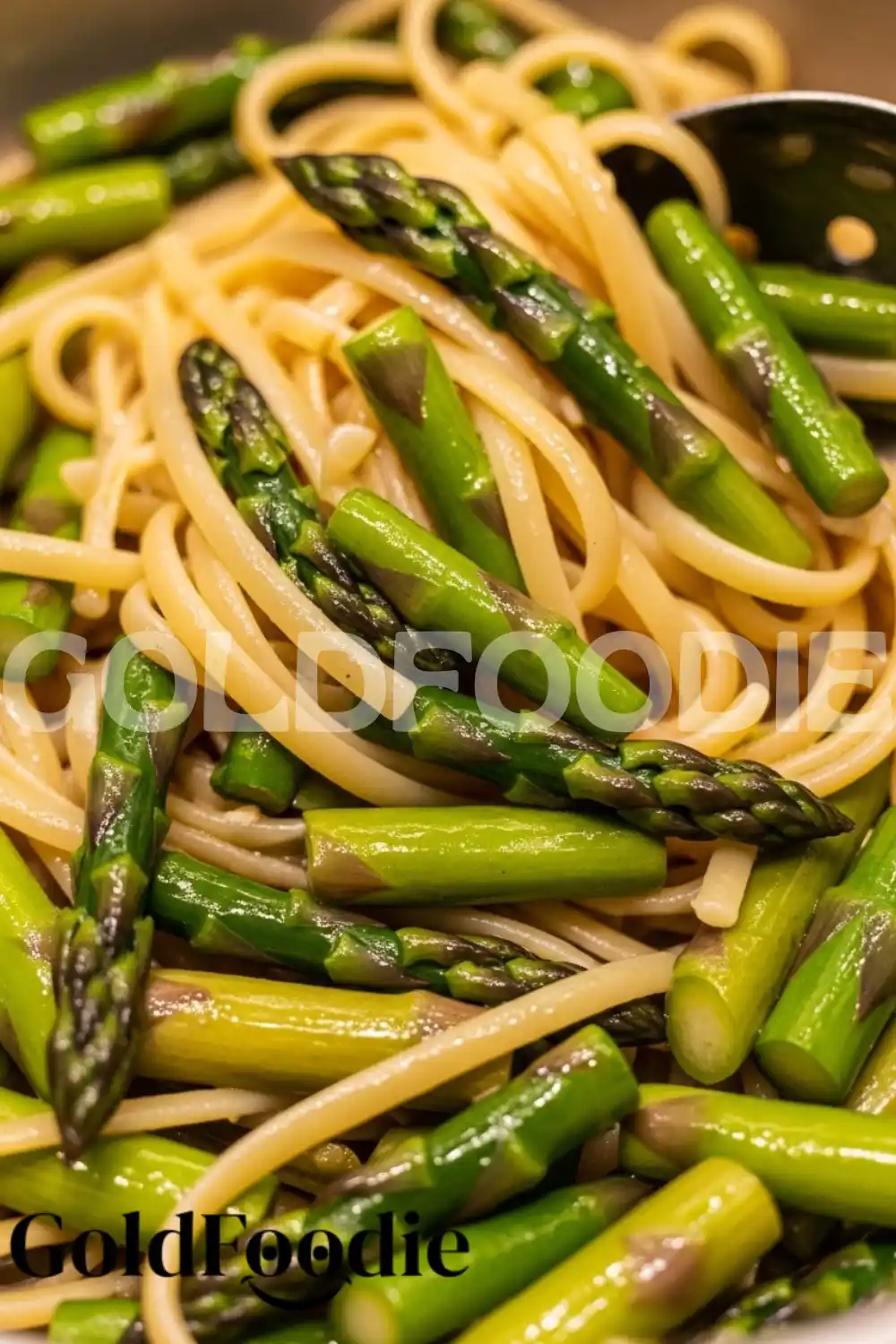
- Prepare the Asparagus: Snap off the tough, woody ends of the asparagus spears. You can easily find the natural breaking point by gently bending each spear. Then, cut the remaining tender parts into 1-inch pieces. For thinner spears, you might leave them longer.
- Cook the Pasta: Bring a large pot of generously salted water to a rolling boil. Add your chosen pasta and cook according to package directions until it reaches al dente. This means it should be firm to the bite. Before draining, reserve about ½ cup of the starchy pasta water. Drain the pasta thoroughly but do not rinse it; the starch helps the sauce adhere.
- Sauté the Aromatics: While the pasta cooks, heat the olive oil in a large skillet or Dutch oven over medium heat. Add the minced garlic and red pepper flakes (if using) and cook for about 1 minute until fragrant. Be careful not to burn the garlic; it should just turn golden.
- Add Asparagus: Stir the cut asparagus pieces into the skillet with the garlic. Sauté for 3-5 minutes, or until the asparagus is tender-crisp and bright green. You want it cooked but still retaining a slight bite, full of fresh flavor.
- Combine Everything: Add the cooked and drained pasta directly to the skillet with the asparagus. Pour in the fresh lemon juice, grated Parmesan cheese, and chopped parsley. Toss everything together thoroughly, ensuring the pasta and asparagus are evenly coated. This creates the base of your perfect asparagus pasta sauce.
- Create the Sauce: Gradually add the reserved pasta water, a little at a time, while tossing. The starchy water helps to create a luscious, emulsified sauce that clings beautifully to the pasta. Continue adding until the sauce reaches your desired consistency – you might not need all ½ cup.
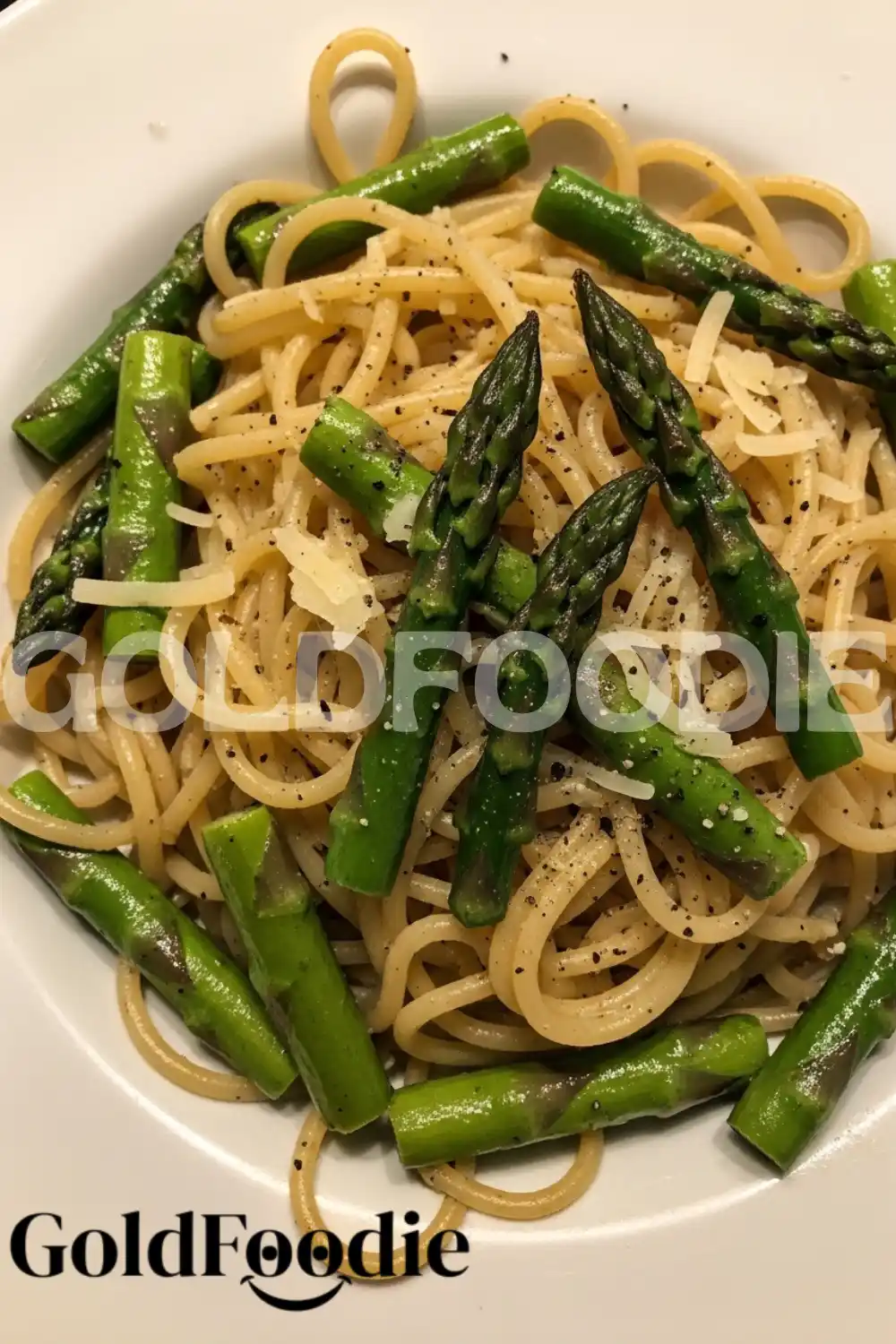
- Season and Serve: Taste the Asparagus Pasta and season generously with salt and freshly ground black pepper as needed. You might find it needs more salt, especially if your pasta water wasn’t heavily salted. Serve immediately, garnished with a little extra Parmesan cheese and fresh parsley, if desired.
For an even more refreshing take, try making Asparagus Lemon Garlic Pasta, which enhances the brightness of your dish with zesty garlic and lemon.
Pro Tips for Success
To truly elevate your Asparagus Pasta from good to unforgettable, consider these thoughtful tips. These small adjustments can make a big difference in flavor and texture, transforming your meal into a dish that tastes like it came from a cherished family recipe book.
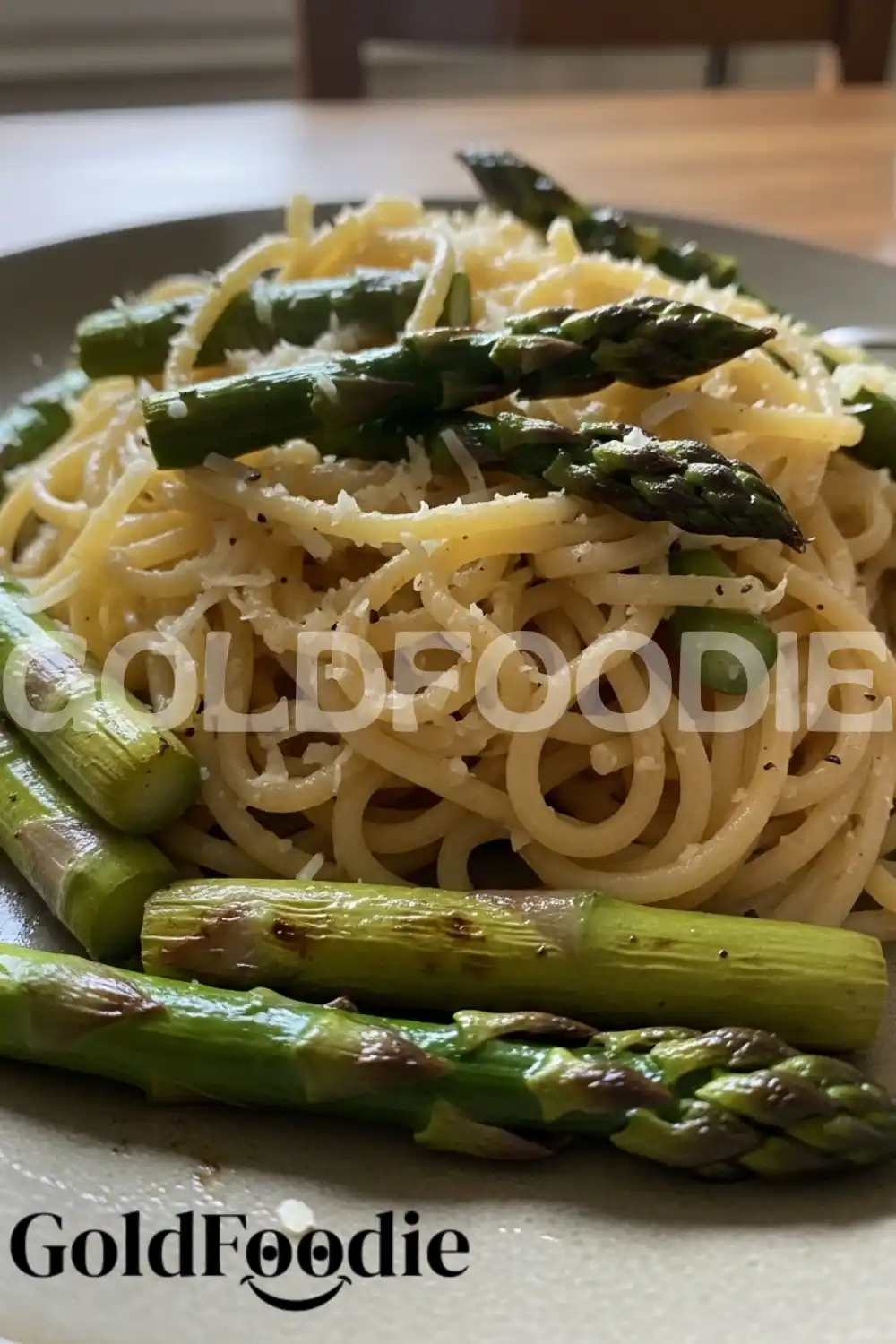
- Blanch the Asparagus: For an even brighter green and more tender-crisp texture, you can blanch the asparagus in the boiling pasta water for 1-2 minutes before draining, then immediately transfer it to an ice bath to stop the cooking. This step helps preserve its vibrant color, ensuring your asparagus pasta looks as good as it tastes.
- Use Freshly Grated Parmesan: Pre-grated Parmesan often contains anti-caking agents that can make your sauce gritty. Freshly grating a block of good quality Parmesan cheese yields a smoother, richer sauce and a more authentic flavor for your Asparagus Pasta.
- Don’t Overcook the Asparagus: Asparagus cooks quickly. You want it tender-crisp, not mushy. Overcooked asparagus loses its vibrant color and pleasant texture, detracting from the overall appeal of the dish.
- Taste and Adjust: Always taste your sauce before serving. You might need more lemon juice for brightness, more salt for flavor, or more pepper for a kick. Adjusting seasonings ensures the final dish perfectly suits your palate.
- Warm Your Serving Bowls: For a truly comforting experience, warm your serving bowls before plating the pasta. This helps the Asparagus Pasta stay warm longer, allowing you to savor every delicious bite at its best temperature.
Storage & Reheating Tips
Sometimes, we are lucky enough to have leftovers, and with this Asparagus Pasta, you will want to savor every last bit! Proper storage ensures your meal remains delicious, ready to bring comfort again. This asparagus pasta reheats beautifully, perfect for a quick lunch or dinner the next day.
- Storage: Store any leftover Asparagus Pasta in an airtight container in the refrigerator for up to 3-4 days.
- Reheating on the Stovetop: For best results, reheat the pasta in a skillet over medium-low heat. Add a splash of water or vegetable broth, about 1-2 tablespoons per serving, to help loosen the sauce and prevent it from drying out. Stir gently until heated through.
- Reheating in the Microwave: You can also microwave individual portions. Place the pasta in a microwave-safe dish, add a tablespoon of water or broth, cover loosely, and heat in 30-second intervals, stirring in between, until warm.
- Avoid Overheating: Be careful not to overheat, as this can make the pasta mushy and the asparagus stringy.
If you’re looking for a great side dish to accompany your pasta, consider adding an Asparagus Salad with Lemon Vinaigrette that balances flavors while keeping your meal light and fresh.
What to Serve With This Recipe
This vibrant Asparagus Pasta stands beautifully on its own, but sometimes a little something extra completes the meal, turning it into a truly wholesome and satisfying spread. When I cook for my family, I always think about how to add more freshness and balance to the plate. These healthy pairings enhance the flavors of your asparagus pasta without overpowering it.
- Crisp Green Salad: A simple mixed green salad with a light vinaigrette offers a refreshing contrast and adds extra fiber. Think delicate lettuces like butter lettuce or spring mix.
- Roasted Cherry Tomatoes: Roasting cherry tomatoes with a drizzle of olive oil, salt, and pepper intensifies their sweetness and creates a lovely, juicy side dish that complements the bright flavors of this Asparagus Pasta.
- Garlic Bread or Crostini: While not strictly a ‘healthy pairing’, a small piece of whole-grain garlic bread or toasted crostini with a hint of garlic and herbs provides a wonderful vehicle for soaking up any leftover sauce.
- Grilled or Baked Salmon: For a more substantial meal, a flaky piece of grilled or baked salmon adds lean protein and heart-healthy omega-3s, pairing perfectly with the delicate flavors of the pasta.
- Steamed Green Beans: Lightly steamed green beans, perhaps tossed with a squeeze of lemon, provide another layer of fresh green vegetables, adding texture and nutrients to your plate.
Frequently Asked Questions (FAQ)
Can I make this Asparagus Pasta ahead of time?
While you can prepare components like chopping garlic and trimming asparagus in advance, this Asparagus Pasta tastes best when you cook and serve it immediately.
The pasta will absorb the sauce and become less al dente if it sits too long, and the asparagus can lose some of its tender-crisp texture. If you must prepare it ahead, cook the pasta al dente and the asparagus slightly underdone, then combine everything just before serving, adding a splash of hot pasta water to revive the sauce.
What type of pasta works best for this Asparagus Pasta recipe?
Short, sturdy pasta shapes work wonderfully for this Asparagus Pasta because they can hold the light sauce and small pieces of asparagus well. Penne, fusilli, orecchiette, or farfalle are excellent choices. Whole wheat pasta also adds a lovely nutty flavor and increased fiber, making your Asparagus Pasta even more wholesome. You want a shape that creates little pockets or grooves for the delicious sauce to cling to.
Can I use frozen asparagus for this dish?
Yes, you can use frozen asparagus as a substitute for fresh in this Asparagus Pasta recipe. However, fresh asparagus typically offers a better texture and brighter flavor. If using frozen, there is no need to thaw it beforehand.
Add it directly to the skillet with the garlic, and cook until tender-crisp, adjusting the cooking time as needed, usually a minute or two longer than fresh. Be aware that frozen asparagus might release more water, so you might need to cook it down a bit more to ensure the sauce doesn’t become watery.
Asparagus pasta is a delightful dish that highlights the flavors of fresh asparagus, making it a perfect meal choice for spring. This ingredient is well-known for its nutritional benefits, and you can learn more about its health properties and culinary uses in this Asparagus article.
Final Thoughts
As the days lengthen and the garden awakens, this asparagus pasta becomes more than just a meal; it’s a comforting ritual, a whisper of home, and a vibrant celebration of simple, seasonal joys shared around the table. It’s truly a recipe for the heart, bringing families together with every wholesome, flavorful bite, carrying traditions forward.
Nutrition Information (per serving)
Please note, this is an estimated nutritional breakdown per serving, based on approximately 6 servings for the full recipe. Actual values may vary depending on specific brands and ingredient choices.
| Nutrient | Amount |
|---|---|
| Calories | 420 kcal |
| Protein | 15 g |
| Fat | 20 g |
| Saturated Fat | 4 g |
| Carbohydrates | 45 g |
| Fiber | 6 g |
| Sugars | 3 g |
| Sodium | 350 mg |
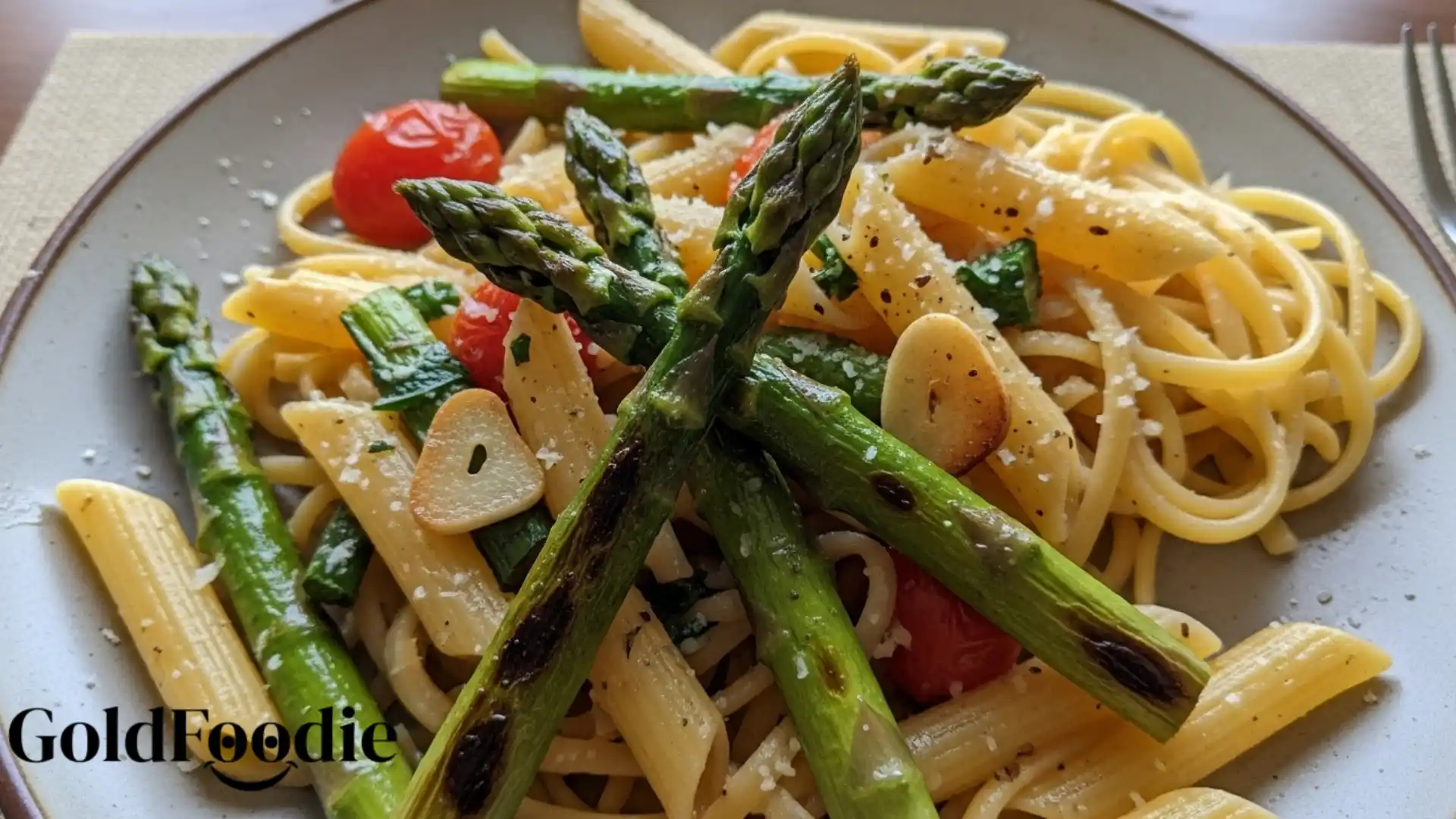
Asparagus Pasta
Ingredients
Method
- Prepare the asparagus by snapping off the tough ends and cutting into 1-inch pieces.
- Cook the pasta in salted boiling water until al dente, reserving 1/2 cup of pasta water before draining.
- Heat olive oil in a skillet over medium heat, add minced garlic and red pepper flakes, sauté until golden.
- Add the cut asparagus, sauté until tender-crisp.
- Add the drained pasta, lemon juice, Parmesan, and parsley, tossing to combine.
- Gradually add reserved pasta water until the desired sauce consistency is reached.
- Season with salt and pepper and serve garnished with extra Parmesan and parsley.
Notes

Hi there, I’m chef living in New York City. Every morning, I wake up to the sounds of my little one’s laughter and the comforting routine of preparing breakfast for my family my husband, our child, and my beloved mother, who’s become both my rock and my inspiration since my father passed away. As the only daughter left in our family, I feel a deep responsibility to carry on his memory whenever I step into the kitchen.
- Dominique

- Dominique
- Dominique
- Dominique