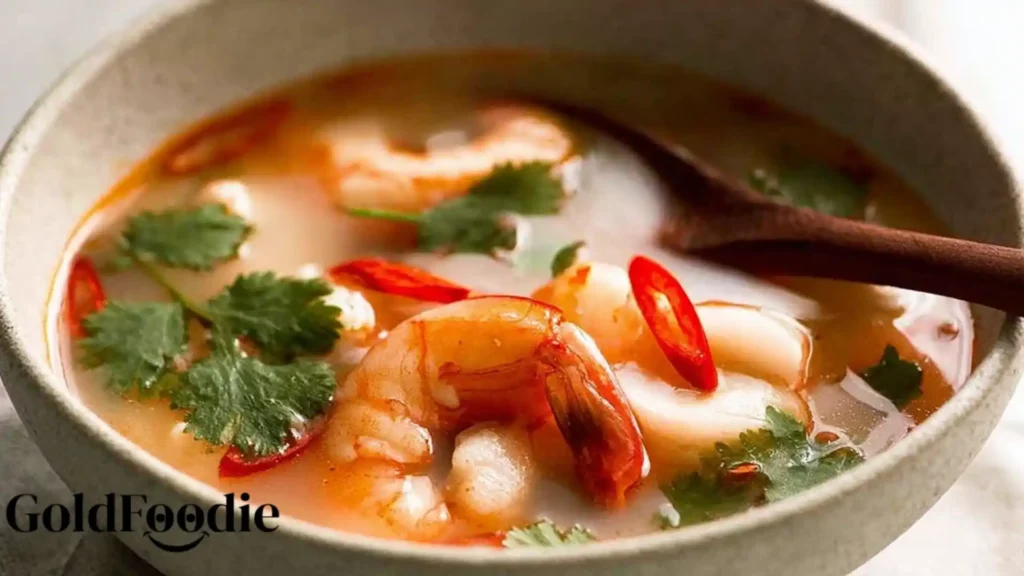
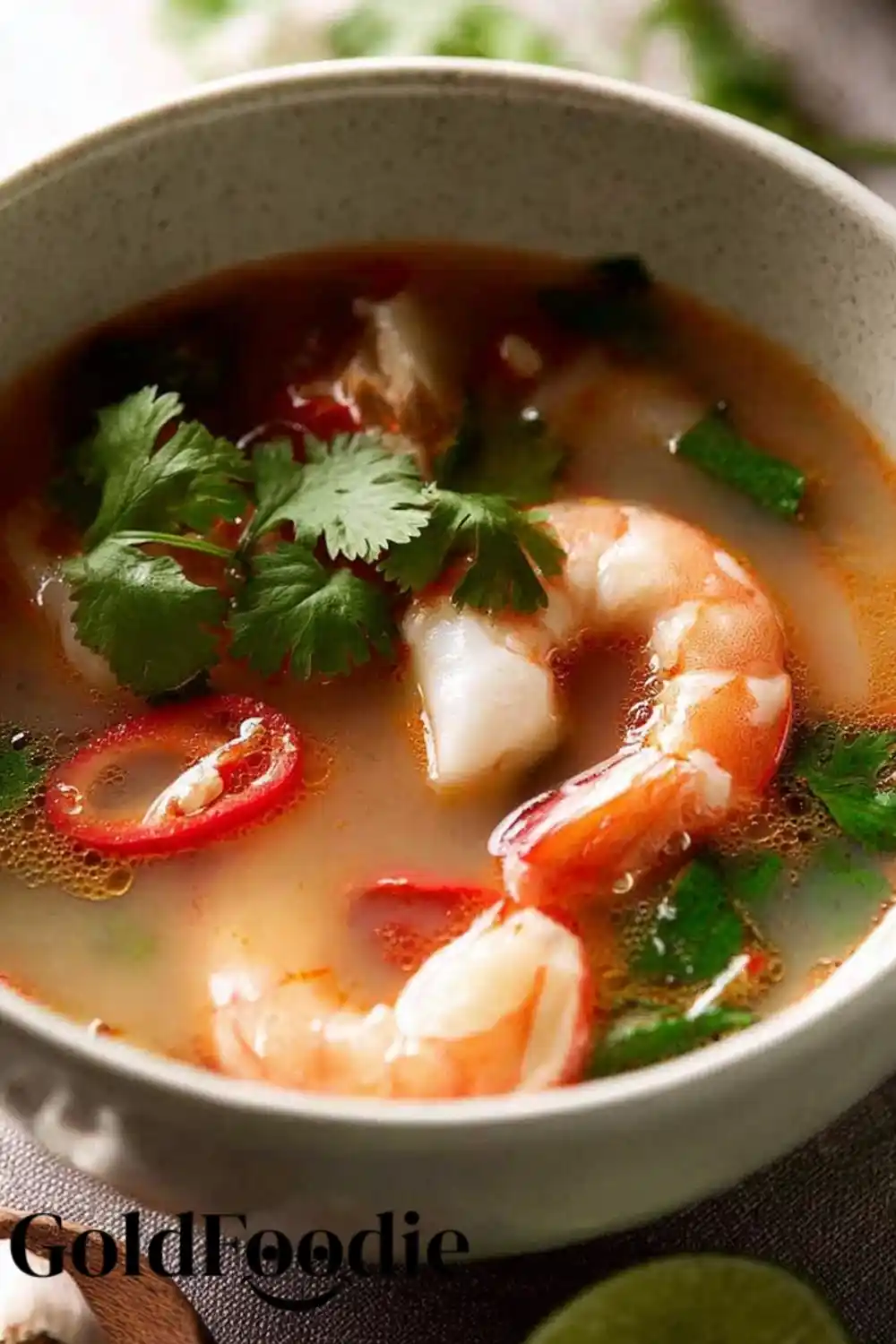
Embrace the vibrant, unforgettable taste of Thailand with our authentic Tom Yum soup recipe. This iconic Thai soup masterfully balances spicy, sour, and savory flavors, creating a truly exhilarating experience. We’re guiding you through making this restaurant-quality dish at home, covering both the invigorating clear version and the rich, comforting creamy variation. Get ready to embark on a culinary journey that’s surprisingly easy and utterly delicious.
For those curious about its origins, exploring the culinary heritage of Tom Yum reveals a rich history and cultural significance in Thailand. culinary heritage of Tom Yum
Table of Contents
Why You’ll Love This Tom Yum Recipe
Making this classic Thai soup at home is a rewarding experience, connecting you to global flavors from your kitchen. You will appreciate how this Tom Yum recipe brings restaurant-quality taste directly to your table.
- Achieve true Thai restaurant Tom Yum flavor with authentic ingredients.
- Customize the spice level easily to suit your family’s preference.
- It’s surprisingly quick and simple to prepare, perfect for weeknights.
- Uses readily available fresh ingredients for the best taste.
- This versatile recipe allows for both a light clear or a rich creamy soup.
- Enjoy a healthy and low-calorie meal, especially the clear version.
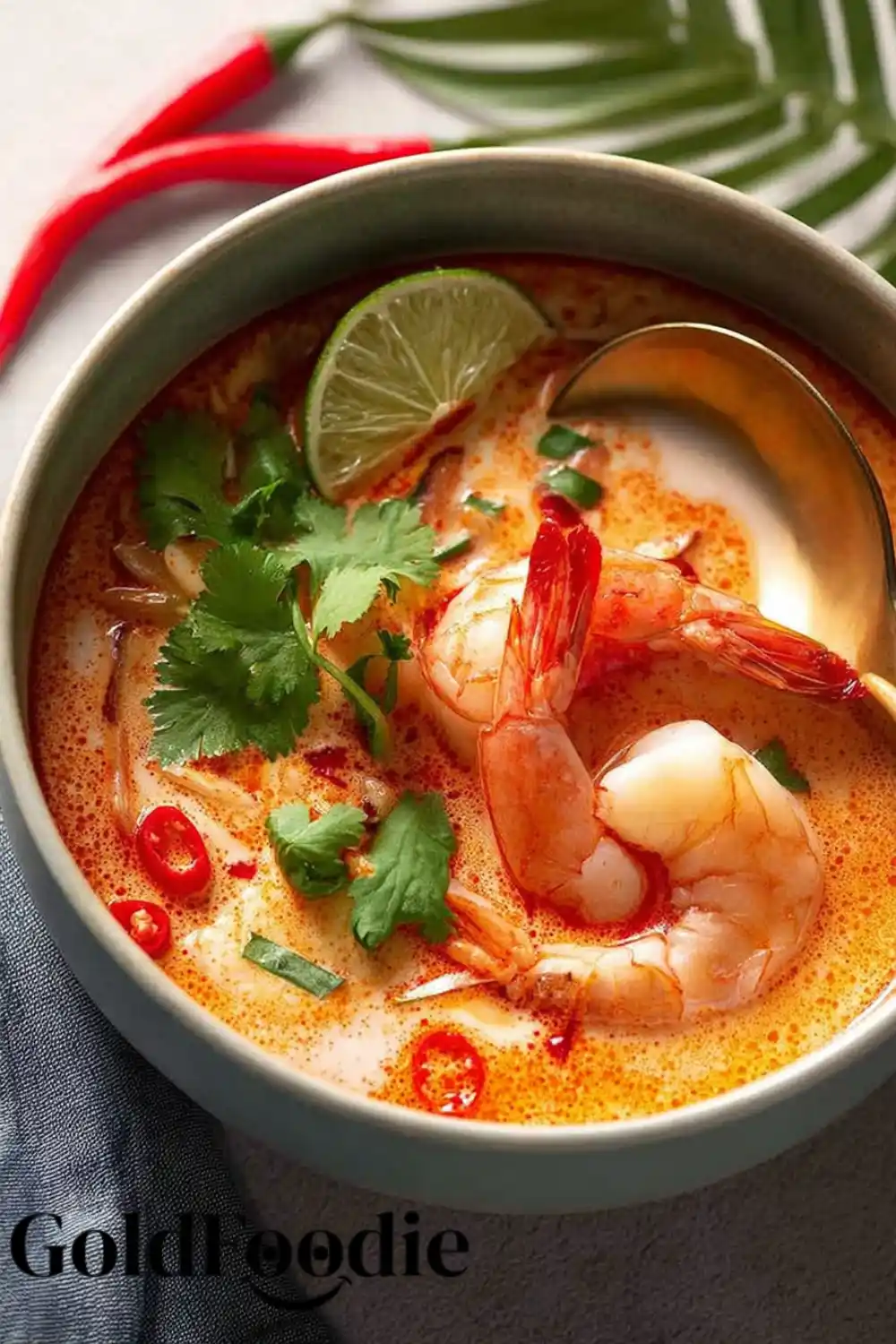
Essential Ingredients for Authentic Tom Yum
To create the vibrant flavors of Tom Yum, start with these essential ingredients. Fresh, high-quality components are key to capturing the authentic taste of this beloved Thai soup. Gathering everything beforehand makes the cooking process smooth and enjoyable.
For the Prawns & Broth Base:
- 300g / 10oz whole prawns / shrimp (with heads and shells on) – These provide incredible depth for the broth.
- 3 cup (750 ml) water – The foundation for your flavorful soup.
- 1/2 cup (125 ml) chicken stock/broth, low sodium – Enhances the savory notes.
- 2 stalks of lemongrass, outer layers peeled – Provides a bright, citrusy aroma.
- 1.5 cm / 3/5″ piece of galangal, cut into 4 slices – Offers a unique peppery, earthy kick distinct from ginger.
- 5 kaffir lime leaves, torn roughly – Delivers an essential aromatic, citrusy zest.
- 2 Thai or birdseye chilies – For that characteristic spicy heat.
- 3 garlic cloves – Aromatic base for the broth.
For the Soup Add-Ins & Seasoning:
- 120g / 4oz oyster mushrooms – Adds a lovely texture and earthy flavor.
- 1 roma tomato, cut into wedges – Provides a subtle sweetness and body.
- 1/2 white onion (medium sized), cut into wedges about 1 cm thick – Sweetens the broth as it cooks.
- 1 tsp granulated sugar – Balances the sour and spicy elements.
- 3 tbsp fish sauce – The irreplaceable umami-rich seasoning for genuine Thai flavor.
- 3 tbsp fresh lime juice – Crucial for the signature sourness.
- Coriander/cilantro, for garnish – Adds freshness and a pop of color.
For Creamy Tom Yum Option:
- 1 1/2 tbsp Thai roasted chili sauce (Nam Prik Pa) – Adds richness, color, and a smoky, complex spice.
- 1/3 cup (75 ml) evaporated milk – For a luscious, creamy texture.
Scientific research suggests that key ingredients like kaffir lime, galangal, and lemongrass may offer beneficial effects on health, including antioxidative properties. beneficial effects on health
Notes & Substitutions
- Lemongrass: Fresh stalks are best for authentic aroma. If unavailable, use a high-quality lemongrass paste, but the flavor won’t be as vibrant.
- Galangal: This root offers a distinct, peppery, almost piney flavor essential to Tom Yum. While ginger can be a substitute in a pinch, it will alter the classic taste significantly.
- Kaffir Lime Leaves: Fresh or frozen are superior. Dried leaves can be used, but soak them first. This citrusy aroma is fundamental to the soup.
- Chilies: Adjust the number of chilies to control your desired heat level. For less spice, deseed them or use fewer.
- Fish Sauce: This is non-negotiable for true Thai depth of flavor. Do not substitute it.
- Thai Roasted Chili Paste (Nam Prik Pa): Look for this in Asian grocery stores. It’s crucial for the authentic creamy version.
- Prawns/Shrimp: Whole prawns with heads and shells provide the richest broth. If using frozen peeled shrimp, you can add a pinch of shrimp paste to the broth for an umami shortcut.
Equipment You’ll Need
Gathering your tools before you start cooking makes the process enjoyable and efficient. You only need a few basic kitchen items to prepare this delicious Tom Yum.
- Large pot or saucepan
- Chopping board and sharp knife
- Meat mallet or pestle (or the side of a knife)
- Fine-mesh sieve or colander
- Measuring cups and spoons
- Small bowls for ingredient prep
How to Make Tom Yum
Crafting authentic Tom Yum involves a few simple steps, resulting in a wonderfully aromatic and flavorful soup. Follow these instructions carefully to create a perfect bowl every time, whether you choose the clear or creamy version.
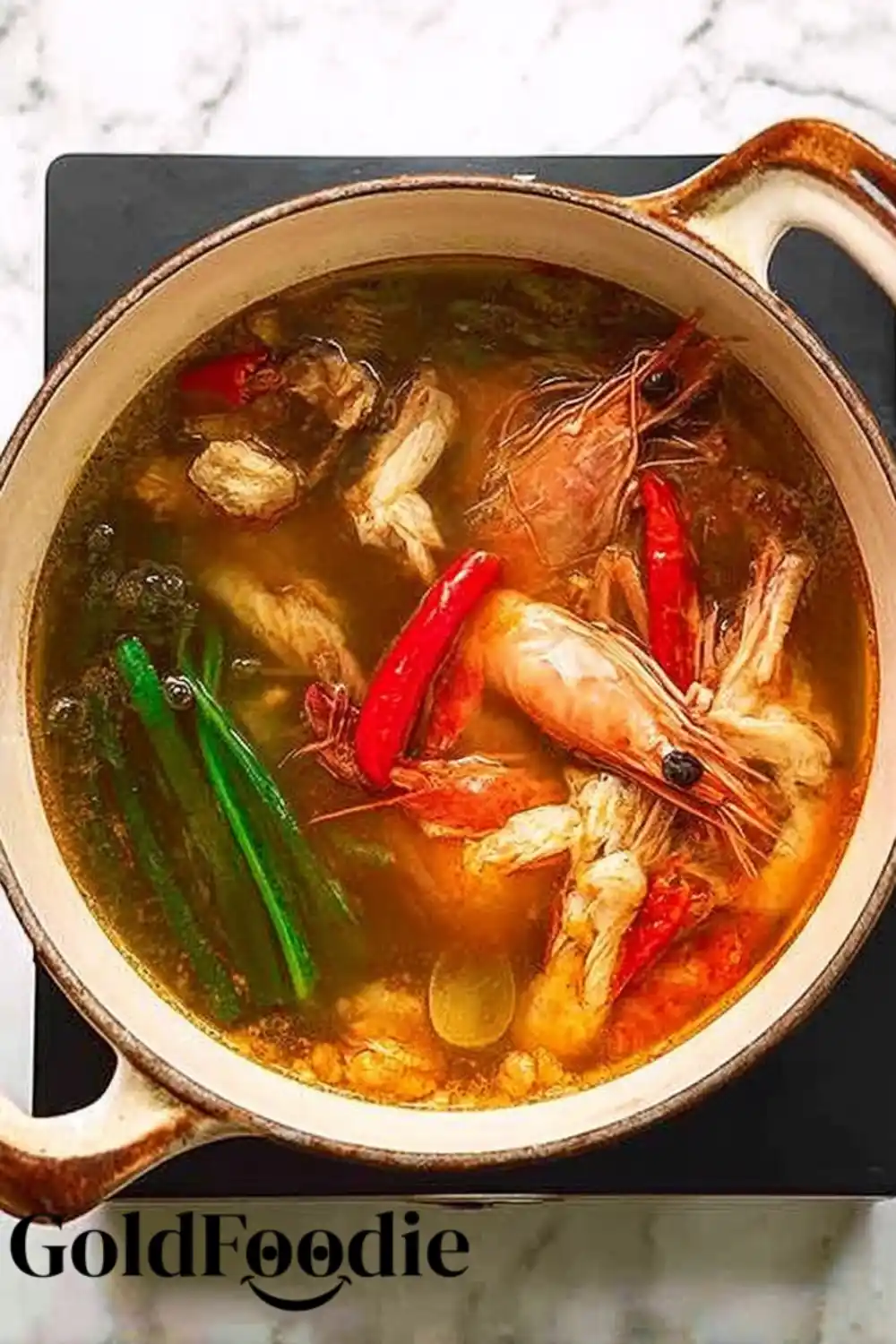
Preparing the Flavorful Broth (Clear Tom Yum Base)
- Prepare Prawns: Carefully peel the prawns, reserving all the heads and shells. Set the peeled prawn meat aside for later.
- Bash Aromatics: Place the garlic cloves, Thai chilies, and lemongrass stalks on your cutting board. Use a meat mallet, pestle, or the side of a sturdy knife to bash them lightly. This breaks open the cells and releases their powerful aromatic oils.
- Build Broth Base: Add the reserved prawn heads and shells into a large pot. Add the bashed garlic, chilies, lemongrass, and the sliced galangal. Crush the kaffir lime leaves with your hands to release their fragrance and add them to the pot.
- Simmer Broth: Pour in the chicken stock and water. Bring the mixture to a high simmer, then cover the pot. Reduce the heat to medium and let it simmer gently for 10 minutes. This slow simmer allows all the incredible flavors to meld beautifully, forming the heart of your Tom Yum.
- Strain Broth: Carefully strain the broth through a fine-mesh sieve or colander into another clean pot or a large heatproof bowl. Discard all the solids (prawn shells, aromatics). Return the clear, fragrant broth to the same pot and keep it warm over low heat.
Finishing the Soup (Clear Tom Yum)
- Add Vegetables: Bring the strained broth to a gentle simmer. Add the onion wedges and oyster mushrooms to the pot. Let them simmer for 3 minutes until slightly softened.
- Introduce Tomato: Stir in the tomato wedges. Simmer for just 1 minute more; you want the tomatoes to warm through but retain some firmness.
- Cook Prawns: Add the reserved peeled prawns to the soup. Cook them for only 2 minutes, or just until they turn pink and opaque. Overcooking will make them tough, so watch them closely.
- Season the Soup: Stir in the granulated sugar and fish sauce. Allow it to simmer for 1 minute to dissolve the sugar and integrate the flavors.
- Add Lime Juice & Adjust: Remove the pot from the heat. Stir in the fresh lime juice. Now, taste your Tom Yum. Adjust the seasoning to your preference: add more sugar for sweetness, fish sauce for saltiness, or lime juice for more sourness. Trust your palate to find that perfect balance!
- Serve: Ladle the hot clear Tom Yum into individual bowls. Garnish generously with fresh coriander/cilantro and an extra slice of chili if desired.
For Creamy Tom Yum
- Follow Clear Tom Yum Steps: Prepare the broth and add the vegetables and prawns exactly as described in the “Preparing the Flavorful Broth” and “Finishing the Soup (Clear Tom Yum)” sections up to the point where you add the sugar and fish sauce.
- Add Chili Paste & Milk: When you add the sugar, also stir in the Thai roasted chili sauce (Nam Prik Pa). Mix it well until it dissolves into the broth. Then, add the evaporated milk, stirring gently to combine.
- Continue & Serve: Allow it to simmer briefly to heat through, then continue with adding the lime juice and adjusting the seasoning as per step 5 of the “Finishing the Soup” section. Serve your rich, creamy Tom Yum immediately with fresh coriander.
Bonus: Tom Kha Variation
For a delicious twist, you can easily transform your creamy Tom Yum into a coconut-based Tom Kha. Simply follow all the steps for the Creamy Tom Yum, but replace the evaporated milk with 1/2 cup (125ml) full-fat coconut milk. This creates a milder, sweeter soup with a beautiful tropical aroma.
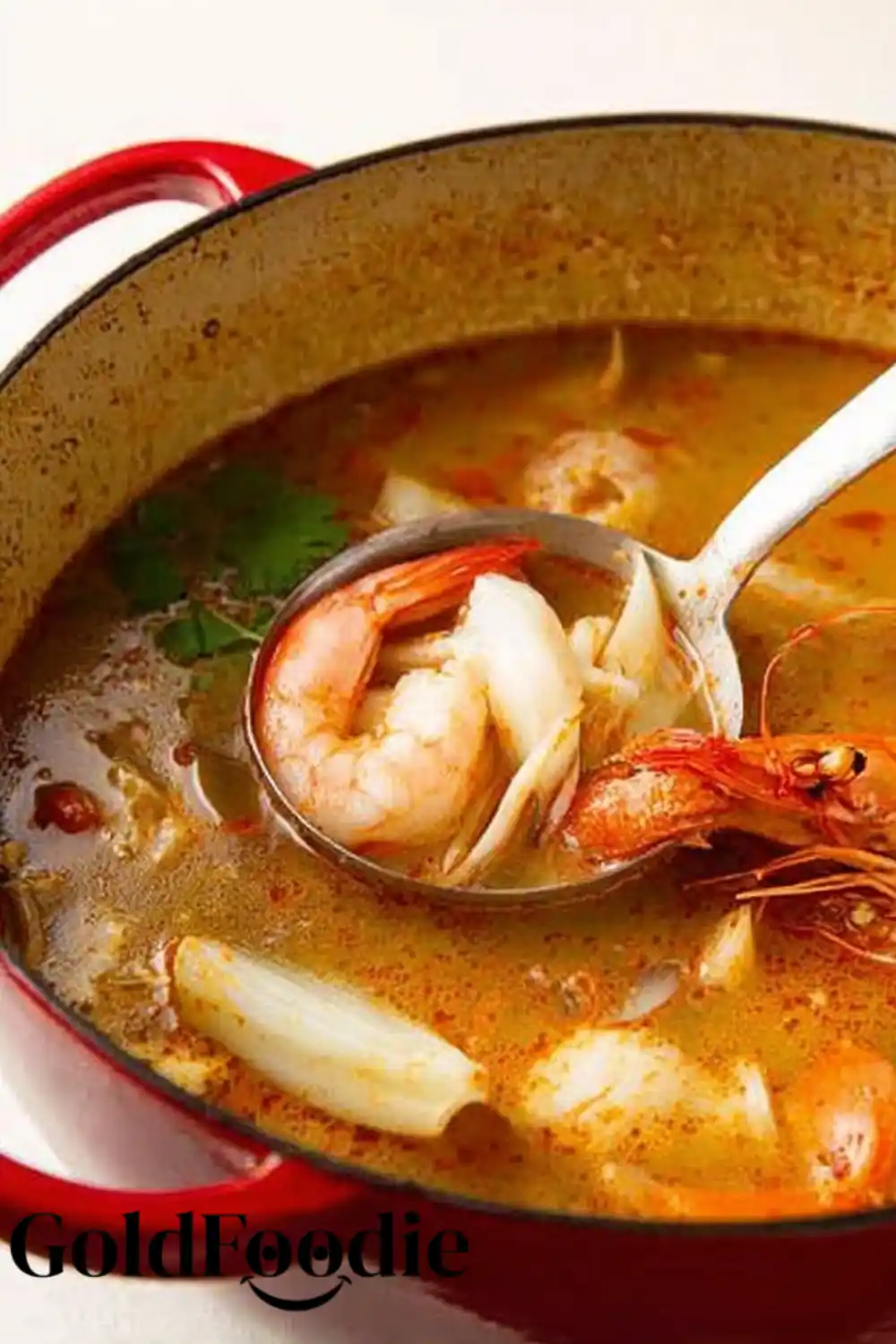
Pro Tips for the Best Tom Yum & Troubleshooting
Creating the perfect bowl of Tom Yum is an art, but these simple tips will guide you to success. Pay attention to ingredient preparation and flavor balance for an unforgettable experience.
- Flavor Extraction: Thoroughly bruise your lemongrass, galangal, garlic, and chilies. This crucial step releases their essential oils, infusing your Tom Yum broth with maximum flavor.
- Ingredient Quality: Always opt for fresh over dried or pre-packaged ingredients when possible. Fresh kaffir lime leaves and galangal make a significant difference in the final aroma and taste.
- Taste Balance: The essence of Tom Yum lies in its perfect harmony of sweet, sour, salty, and spicy. Taste frequently as you add seasoning and adjust until you achieve your preferred balance.
- Don’t Overcook: Prawns cook very quickly, usually in just two minutes. Overcooked prawns become rubbery and lose their delicate texture.
- Sourcing: Authentic Thai ingredients like galangal, kaffir lime leaves, and fish sauce are readily available at most Asian grocery stores. Don’t be afraid to ask for help finding them!
- Spice Level: Control the heat by adjusting the number of Thai chilies you use. For less spice, deseed the chilies or omit them entirely. For more heat, add an extra chili or a pinch of dried chili flakes.
Serving Suggestions, Storage, and Variations
Once you master this Tom Yum recipe, you’ll find it incredibly versatile. From serving suggestions to clever storage tips and exciting variations, there’s always a new way to enjoy this delicious Thai soup.
Serving
- Serve hot as a comforting meal on its own, or alongside a bowl of fragrant steamed jasmine rice to soak up every drop of that incredible broth.
- Offer extra lime wedges, fresh chilies, and coriander on the side for individual customization.
Storage
- Refrigerate: Store leftover Tom Yum broth in an airtight container in the refrigerator for up to 2 days. For best results, if you plan to store it, cook the prawns separately and add them just before serving or reheating, as cooked prawns can get rubbery when reheated.
- Reheating: Gently reheat the broth on the stovetop over low heat. If you’ve stored the prawns separately, add them to the warm broth and cook for 1-2 minutes until heated through.
Freezing
- Broth: The clear Tom Yum broth freezes beautifully for up to 2-3 months. Portion it into freezer-safe containers.
- Cooked Prawns: Cooked prawns tend to lose their texture when frozen and thawed, so it’s best to add freshly cooked prawns after reheating the broth.
- After Reheating: Once reheated, add fresh herbs, a squeeze of lime juice, and any desired fresh vegetables to rejuvenate the flavors.
Protein Variations
- Chicken Tom Yum: Substitute prawns with thinly sliced chicken breast or thigh. Add it to the simmering broth after the mushrooms and cook until done.
- Tofu/Fish: Firm tofu cubes or delicate white fish fillets (like cod or snapper) also make wonderful additions. Add fish towards the end to prevent overcooking.
Vegetable Variations
- Experiment with other vegetables such as bamboo shoots, baby corn, or straw mushrooms for added texture and nutrition in your Tom Yum.
Noodles
- For a heartier meal, add cooked rice vermicelli noodles directly to the serving bowls before ladling in the hot Tom Yum. This transforms it into a fulfilling noodle soup.
Tom Yum Nutrition Information
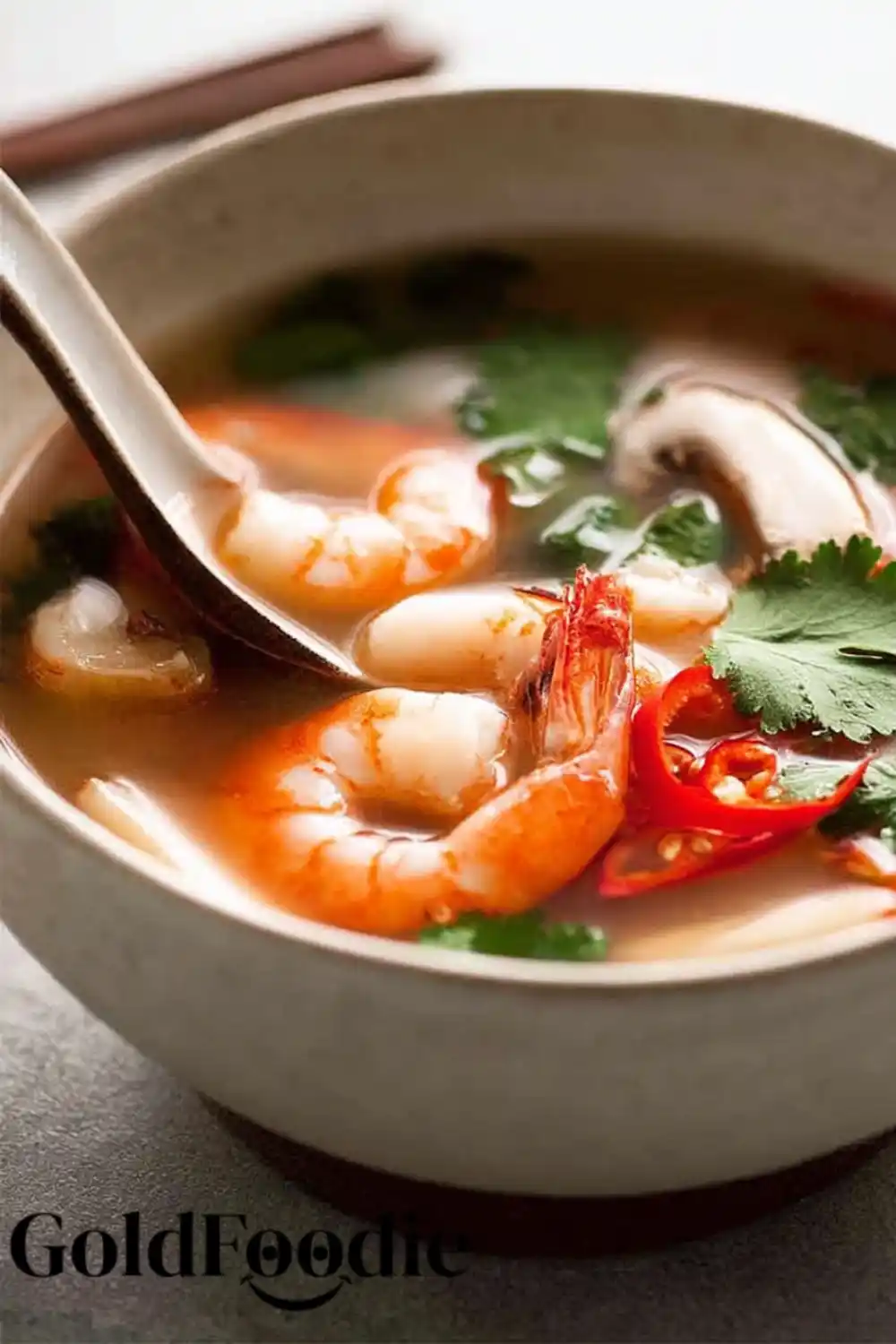
This authentic Tom Yum recipe, particularly the clear version, is a relatively light and healthy meal. It provides a good source of protein from the prawns and beneficial nutrients from the fresh herbs and vegetables.
| Nutrient | Amount (per serving) |
|---|---|
| Calories | 156 kcal |
| Carbohydrates | 15 g |
| Protein | 21 g |
| Fat | 2 g |
| Saturated Fat | 1 g |
| Cholesterol | 191 mg |
| Sodium | 2821 mg |
| Fiber | 2 g |
| Sugar | 7 g |
This Tom Yum dish is naturally low in fat, making it an excellent choice for a nutritious and flavorful meal.
Frequently Asked Questions (FAQ)
Here are some common questions about making and enjoying Tom Yum. We aim to provide clear, concise answers to help you on your culinary journey.
Is Tom Yum traditionally very spicy?
Yes, authentic Tom Yum is known for its distinct spicy kick, but you can always adjust the number of chilies to match your preferred heat level.
Can I make this Tom Yum recipe vegetarian or vegan?
Absolutely! Omit the prawns and chicken stock. Use vegetable broth and substitute fish sauce with a high-quality vegetarian fish sauce or a touch of soy sauce and mushroom powder for umami.
Where can I find galangal and kaffir lime leaves?
These specialized ingredients are best found in Asian grocery stores or sometimes in the international section of larger supermarkets.
Can I use a store-bought Tom Yum paste?
While convenient, store-bought pastes often lack the fresh, vibrant depth of a homemade broth. This recipe emphasizes using fresh aromatics for superior flavor.
What’s the best mushroom for Tom Yum?
Oyster mushrooms are traditional, but straw mushrooms or button mushrooms also work well and soak up the flavors beautifully.
What is the difference between Tom Yum and Tom Kha?
Tom Yum is characterized by its bold spicy and sour profile. Tom Kha, on the other hand, is a milder, creamier coconut milk-based soup with a more prominent galangal flavor, making it less spicy and more aromatic.
Final Thoughts
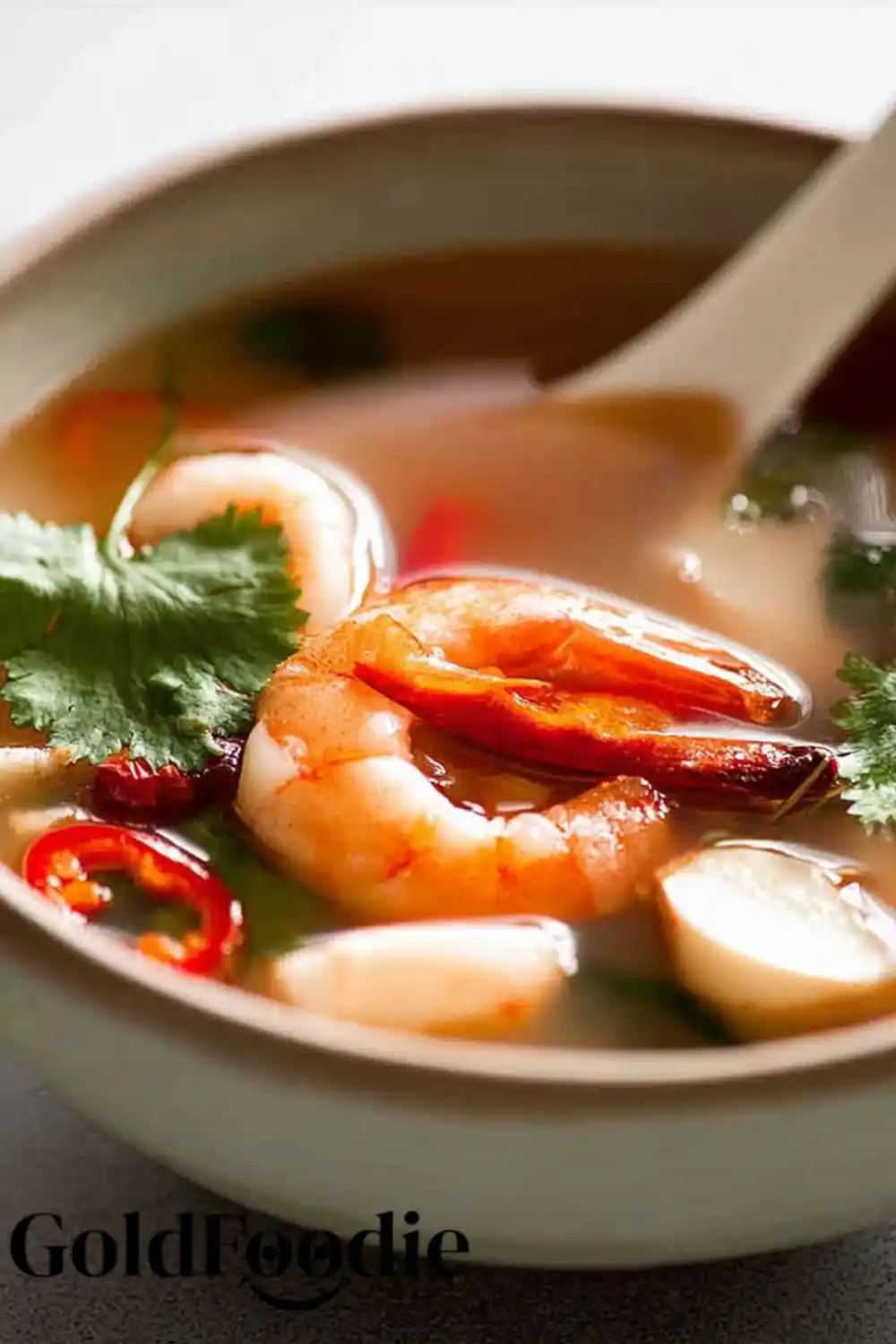
Bringing the authentic flavors of Thailand into your home with this Tom Yum recipe is a rewarding experience for any home cook. This dish, bursting with fresh herbs, zesty lime, and a perfect balance of spicy and sour notes, is truly a culinary delight. Whether you prefer the invigorating clear broth or the comforting richness of the creamy version, this recipe makes it easy to create a memorable meal. Gather your ingredients, share the joy of cooking, and whip up a batch of homemade Tom Yum today!
Authentic Tom Yum Soup Recipe
Ingredients
Equipment
Method
- Peel prawns, reserving the meat and placing heads and shells in a pot.
- Bash garlic, chili, and lemongrass to release flavors, then add to the pot.
- Crush kaffir lime leaves and add them to the pot.
- Add galangal, stock, and water. Bring to a simmer on high heat, cover, then reduce and simmer for 10 minutes.
- Strain the broth, discard solids, and return the broth to the pot over low heat.
- Add onions and mushrooms, simmer for 3 minutes; then add tomatoes and simmer for 1 minute.
- Add reserved prawns and simmer for 2 minutes or until just cooked.
- Stir in sugar and fish sauce, simmering for 1 minute.
- Add lime juice, then taste and adjust the balance of sweet, salt, and sour to your preference.
- Ladle into bowls and serve immediately, garnished with fresh coriander and fresh chili.
- When adding sugar, also stir in Thai chili paste and evaporated milk; simmer for 1 minute.
- Add lime juice, then taste and adjust the balance of sweet, salt, and sour to your preference.
- For a coconut milk version, simply substitute coconut milk for evaporated milk.
- Ladle into bowls and serve immediately, garnished with fresh coriander and fresh chili.
Notes

Hi there, I’m chef living in New York City. Every morning, I wake up to the sounds of my little one’s laughter and the comforting routine of preparing breakfast for my family my husband, our child, and my beloved mother, who’s become both my rock and my inspiration since my father passed away. As the only daughter left in our family, I feel a deep responsibility to carry on his memory whenever I step into the kitchen.
- Dominique

- Dominique
- Dominique
- Dominique