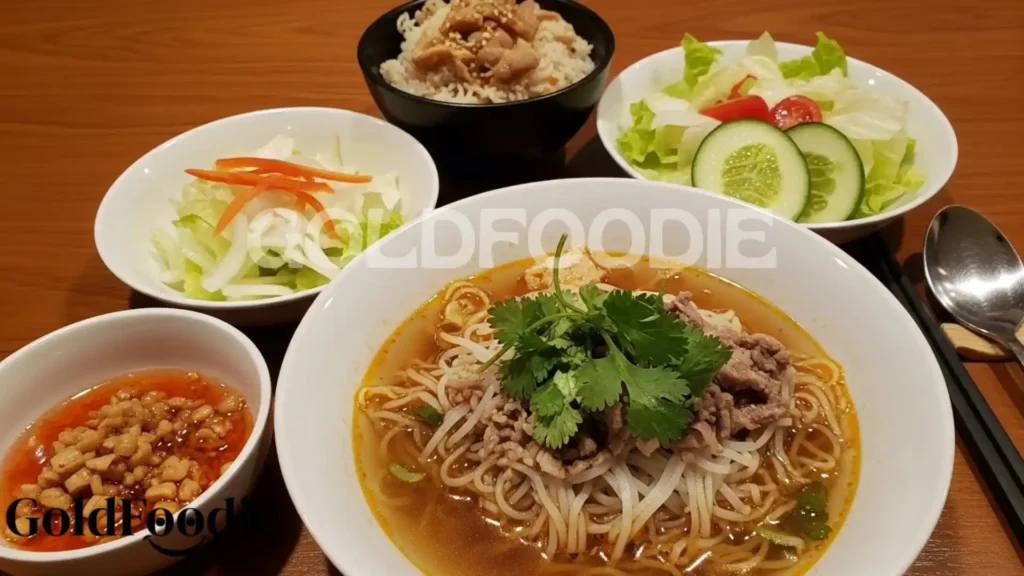
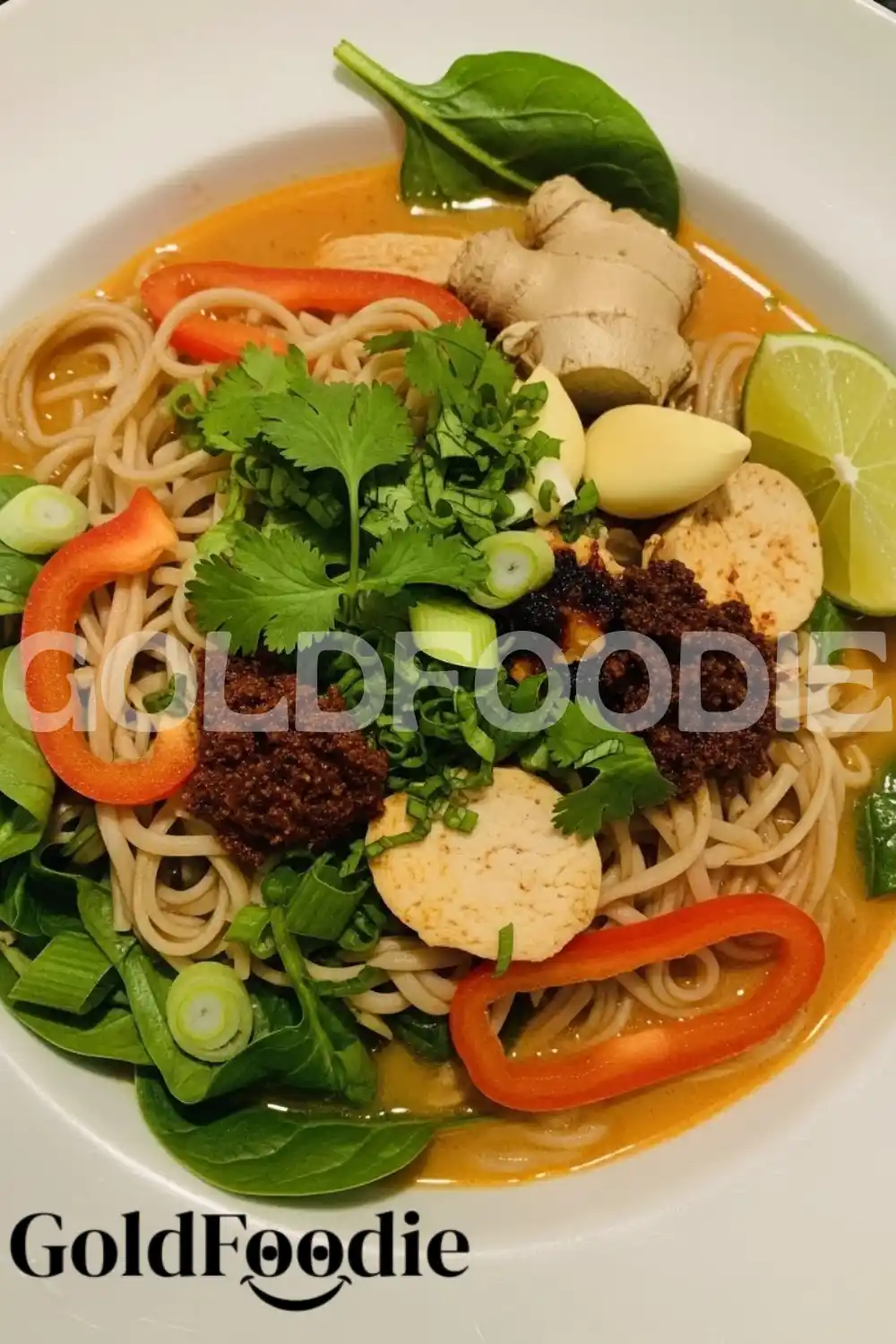
Embrace the vibrant flavors of Asia with this utterly satisfying Thai noodle soup, a dish that brings warmth and zest to your kitchen. Imagine a harmonious blend of aromatic spices, tender noodles, crisp vegetables, and a rich, savory broth, all coming together in a bowl that’s both comforting and invigorating.
Table of Contents
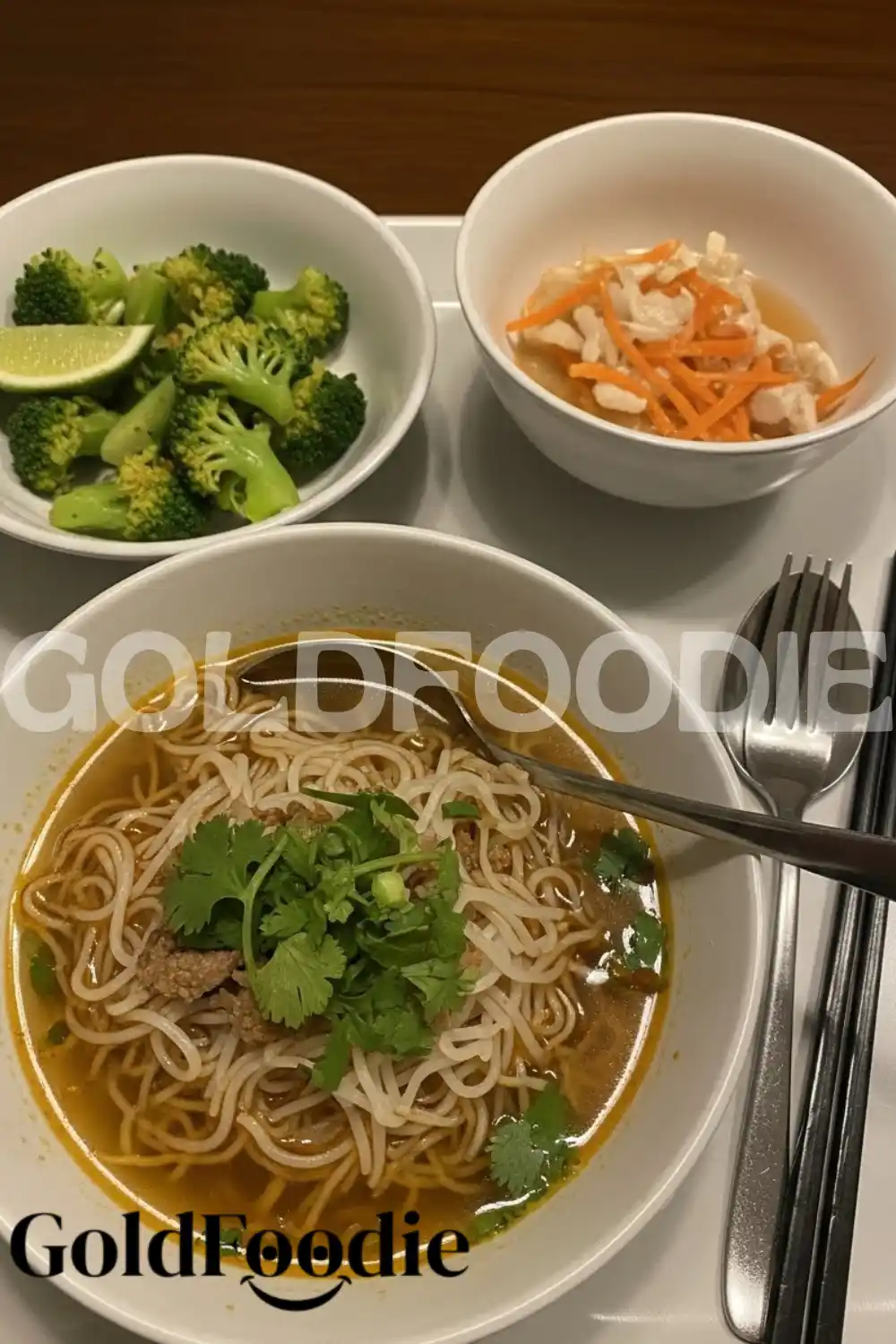
This incredible Thai noodle soup recipe is designed for ease and health, proving that delicious, nourishing meals can be simple to prepare even on the busiest evenings. You will discover how to create a balanced, diabetes-friendly meal without sacrificing authentic taste or texture.
Why You’ll Love This Thai Noodle Soup Recipe
- Quick & Easy: This Thai noodle soup comes together in under 30 minutes, perfect for busy weeknights.
- Flavorful & Aromatic: Experience a symphony of sweet, spicy, sour, and umami notes in every spoonful.
- Diabetes-Friendly: Thoughtfully crafted with balanced macros, it supports stable blood sugar levels.
- Nutrient-Dense: Packed with lean protein, fiber-rich vegetables, and wholesome ingredients.
- Your New Favorite: This easy Thai noodle soup is destined to become a staple in your healthy meal rotation.
Ingredients You’ll Need
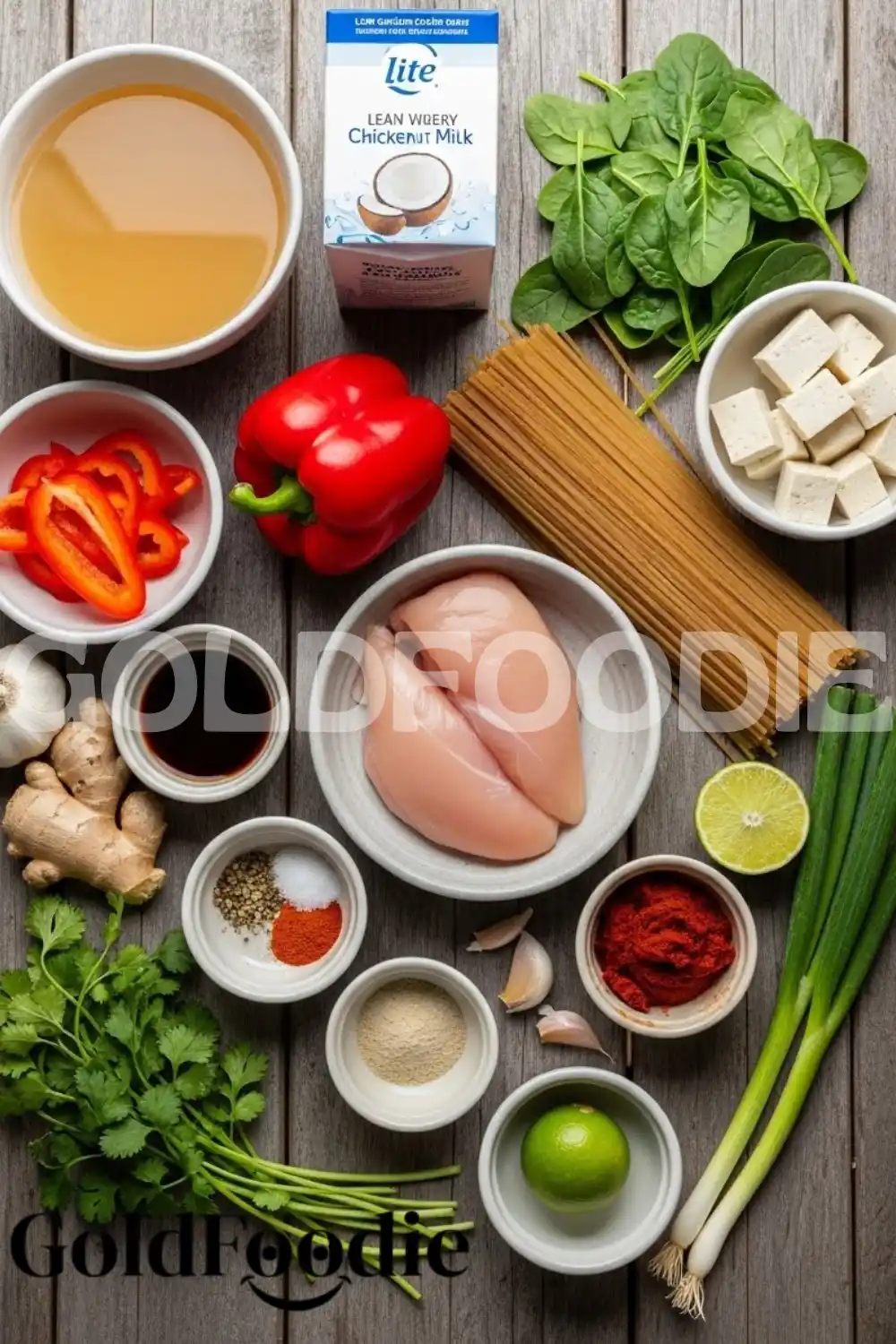
Crafting a truly exceptional Thai noodle soup begins with selecting quality ingredients. Focus on fresh produce and lean proteins to maximize both flavor and nutritional value. Remember, great food doesn’t have to be complicated, but it does benefit from mindful choices.
| Ingredient | Quantity | Notes |
|---|---|---|
| Low-sodium chicken or vegetable broth | 6 cups | Choose unsweetened varieties for diabetes-friendly cooking. |
| Lite coconut milk | 1 can (13.5 oz) | Essential for creamy texture and authentic flavor in your Thai noodle soup. |
| Lean chicken breast or firm tofu | 1 lb | Chicken, thinly sliced; Tofu, pressed and cubed. |
| Whole wheat or brown rice noodles | 8 oz | Look for higher fiber options. Cook al dente according to package. |
| Red bell pepper | 1, thinly sliced | Adds sweetness and crunch. |
| Baby spinach | 4 cups, packed | Wilt into the soup at the end for extra greens. |
| Fresh ginger | 1 inch piece, grated | Pungent, warming, and anti-inflammatory. |
| Garlic | 3 cloves, minced | Aromatic foundation for this Thai noodle soup. |
| Red curry paste | 2-3 tbsp | Adjust to your spice preference; check sugar content for diabetes-friendly. |
| Fish sauce | 1 tbsp | Adds crucial umami depth. |
| Lime juice | 2 tbsp, freshly squeezed | Brightens and balances the flavors. |
| Sriracha or chili garlic sauce | 1 tsp (optional) | For an extra kick, if desired. |
| Fresh cilantro | 1/4 cup, chopped | For garnish, adds freshness. |
| Green onions | 2, sliced | For garnish, adds mild onion flavor. |
| Optional: Reduced-sodium soy sauce or tamari | 1 tsp | If more savory depth is desired. |
Substitutions & Variations
Adapting your Thai noodle soup to fit your preferences or what you have on hand is incredibly simple. Healthy swaps are key to maintaining the nutritional integrity. Feel empowered to experiment with these suggestions to make this Thai noodle soup truly your own.
- For protein: Swap chicken with shrimp, firm white fish, edamame, or tempeh. All are lean and protein-rich options.
- Noodle alternatives: Zucchini noodles, shirataki noodles, or thinly sliced cabbage can replace traditional noodles for a lower-carb version.
- Vegetable power: Add sliced mushrooms, broccoli florets, snap peas, or shredded carrots for more fiber and vitamins.
- Spice level: Increase or decrease red curry paste. For less heat, add a touch more coconut milk. For more, a pinch of red pepper flakes works wonders.
- Flavor boosters: A splash of rice vinegar can enhance tanginess, or a sprinkle of chopped peanuts (in moderation) can add healthy fats and crunch.
Adapting your Thai noodle soup to fit your preferences or what you have on hand is incredibly simple. You might also enjoy experimenting with similar dishes like Tom Jued Soup (Thai Vegetable Soup), which offers healthy swaps and variations.
Note: This video is for demonstration purposes and may use a slightly different methode.
Equipment You’ll Need
Making Thai noodle soup doesn’t require any fancy gadgets. Here’s what you’ll need for seamless preparation:
- Large pot or Dutch oven: For simmering the broth and cooking the soup.
- Cutting board and sharp knife: For preparing your protein and vegetables.
- Measuring cups and spoons: For accurate ingredient quantities.
- Grater: For fresh ginger.
- Citrus juicer: To get the most juice from your fresh limes.
- Slotted spoon or tongs: For serving noodles and protein.
Step-by-Step Instructions
Follow these clear, concise steps to craft this delicious Thai noodle soup. Each instruction is designed to ensure a perfect, flavorful outcome, even if you are new to cooking Asian-inspired dishes. You’ll be enjoying your homemade Thai noodle soup in no time.
- Prepare Protein: If using chicken, thinly slice it against the grain. If using tofu, press it to remove excess water, then cube it.
- Sauté Aromatics: In your large pot or Dutch oven, heat a tablespoon of olive oil or coconut oil over medium heat. Add minced garlic and grated ginger, cooking for about 1 minute until fragrant. Do not burn.
- Build Flavor Base: Stir in the red curry paste, cooking for another minute to release its aromas. This step is crucial for the depth of flavor in your Thai noodle soup.
- Add Liquids: Pour in the low-sodium broth and lite coconut milk. Bring the mixture to a gentle simmer, stirring occasionally.
- Cook Protein: Add your sliced chicken or tofu to the simmering broth. Cook until the chicken is no longer pink (about 5-7 minutes) or the tofu is heated through.
- Cook Noodles: While the protein cooks, prepare your whole wheat or brown rice noodles according to package directions, cooking them al dente. Drain and set aside.
- Add Vegetables: Stir in the sliced red bell pepper and baby spinach. Cook for just 2-3 minutes, until the bell pepper is slightly tender-crisp and the spinach has wilted.
- Season Your Soup: Remove the pot from the heat. Stir in the fish sauce and fresh lime juice. Taste and adjust seasonings as needed. You might want a pinch more Sriracha for heat or a tiny splash of reduced-sodium soy sauce for extra umami in your Thai noodle soup.
- Assemble & Serve: Divide the cooked noodles among serving bowls. Ladle the hot Thai noodle soup over the noodles, ensuring each bowl gets a good portion of protein and vegetables. Garnish generously with fresh cilantro and sliced green onions.
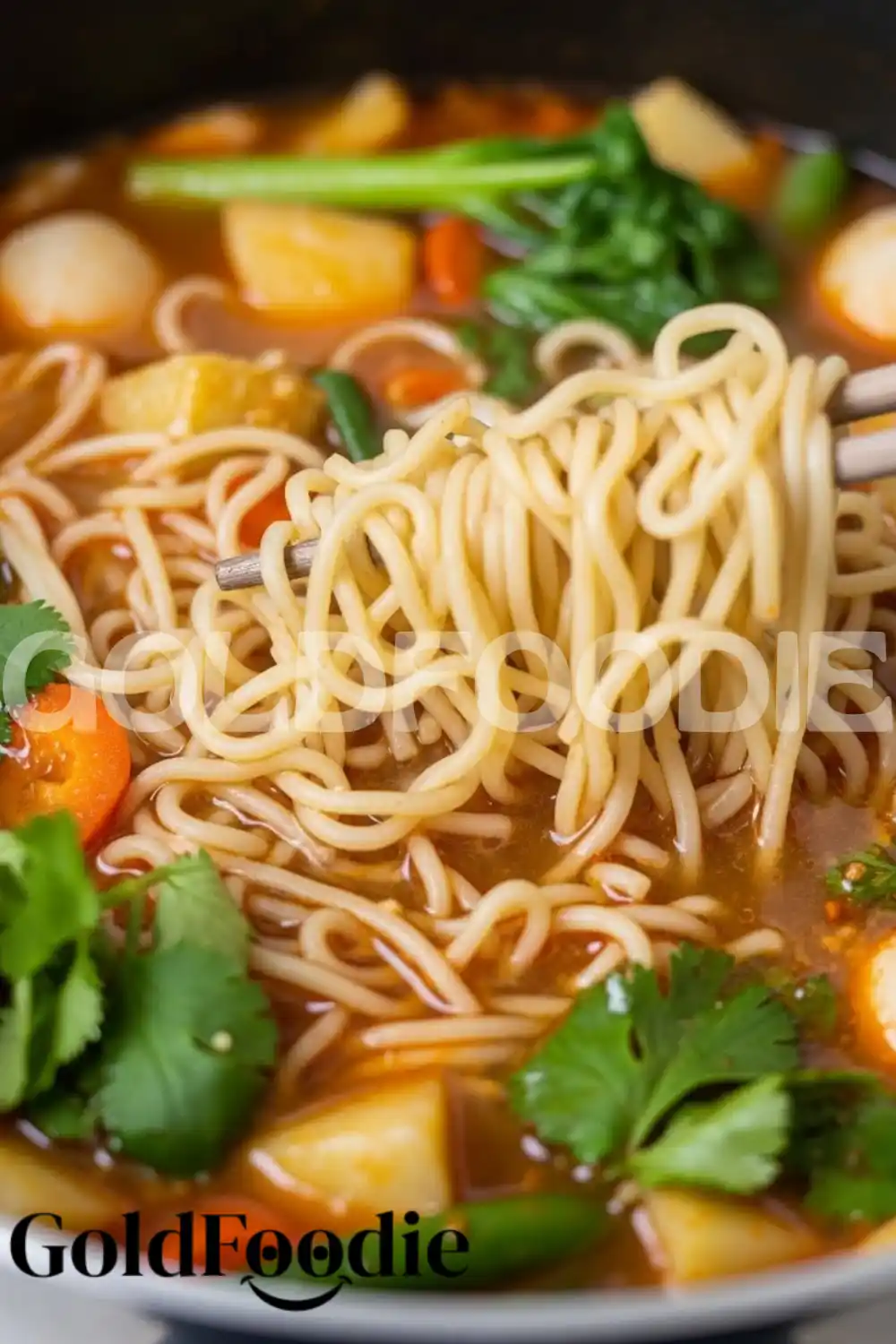
Follow these clear, concise steps to craft this delicious Thai noodle soup for a perfect and flavorful outcome. If you’d like a different seafood option, check out this recipe for thai soup shrimp, which is equally easy to prepare.
Pro Tips for Success
Mastering your Thai noodle soup is within reach with these technical tips. They ensure maximum flavor and optimal texture, making your cooking experience smoother and the results even more delicious.
- Mise en Place: Before you start cooking, gather and prepare all your ingredients. This practice, known as “mise en place,” streamlines the cooking process and prevents rushing.
- Don’t Overcook Noodles: Cook noodles separately to al dente, then add them to individual bowls before ladling the soup. This prevents them from becoming soggy and absorbing too much broth, which can thicken your Thai noodle soup unnaturally.
- Balance Flavors: Thai cuisine is about balancing sweet, sour, salty, and spicy. Taste your Thai noodle soup before serving and adjust. A pinch of erythritol or stevia can balance heat if needed (for diabetes-friendly options), more lime for sour, fish sauce for salty, and Sriracha for spicy.
- Fresh Aromatics Are Key: Always use fresh ginger and garlic. Their vibrant flavors make a significant difference compared to dried or jarred versions in this Thai noodle soup.
- Quality Curry Paste: Invest in a good quality red curry paste. Check labels for added sugars if you’re managing blood sugar. This single ingredient provides the foundation of the soup’s flavor.
Storage & Reheating Tips
Enjoying your Thai noodle soup as leftovers is easy with proper storage. These tips will help maintain freshness and flavor for future meals.
- Separate Components: For best results, store cooked noodles separately from the broth and solid ingredients. The noodles can absorb too much liquid and become mushy if left in the soup.
- Airtight Containers: Store the cooled soup broth (with protein and vegetables) in an airtight container in the refrigerator for up to 3-4 days. Store cooked noodles in a separate airtight container.
- Freezing: The broth portion of this Thai noodle soup freezes well for up to 2-3 months. Thaw overnight in the refrigerator before reheating. It’s best to cook fresh noodles when serving from frozen.
- Reheating: Gently reheat the soup broth on the stovetop over medium-low heat until simmering. Cook fresh noodles or reheat pre-cooked ones separately, then combine in a bowl.
Enjoying your Thai noodle soup as leftovers is easy with proper storage to maintain freshness. For a convenient and flavorful alternative, consider making an Instant Pot Chicken Thai Soup, perfect for quick, warm meals.
What to Serve With This Recipe
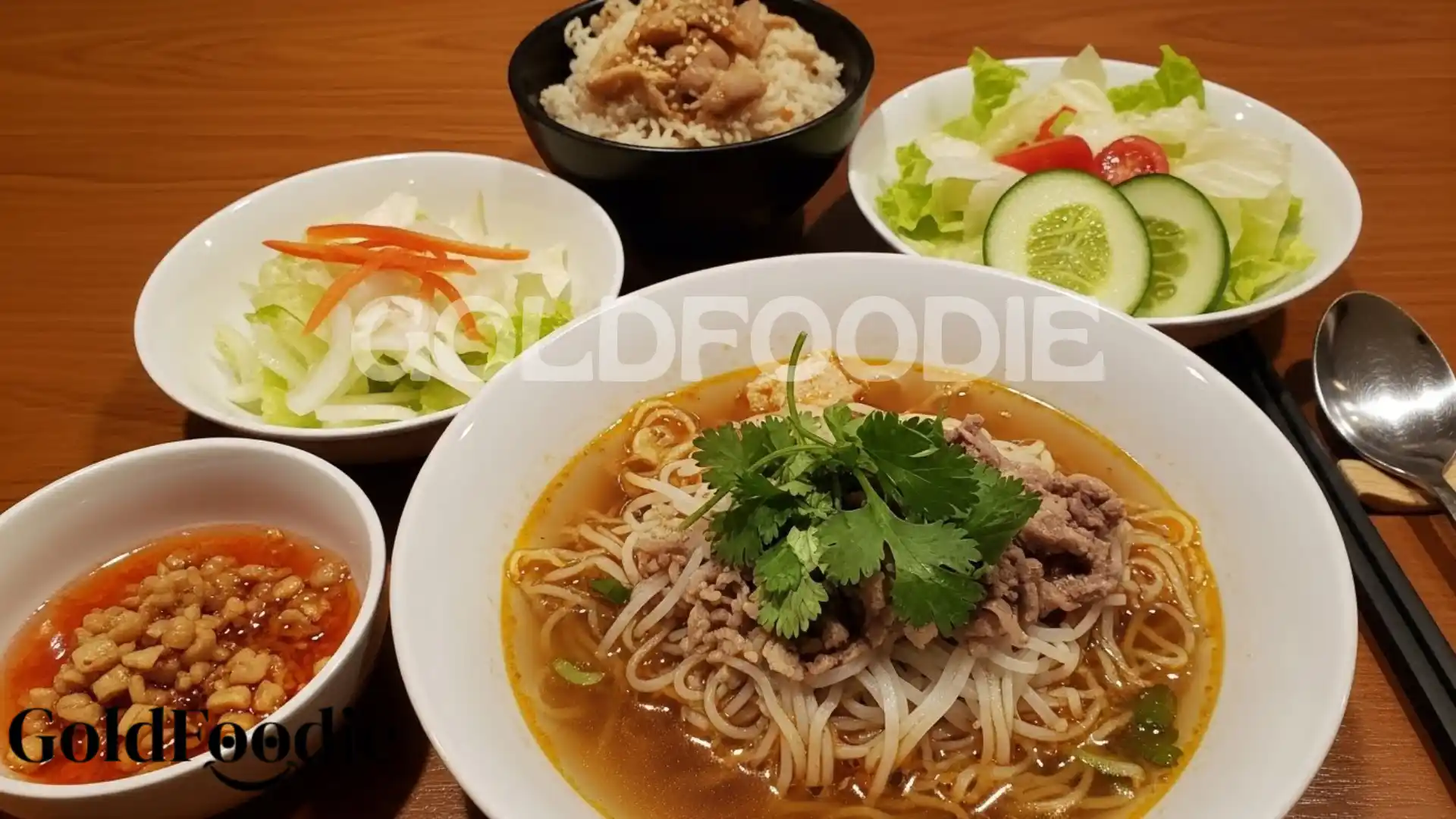
While this Thai noodle soup is a complete meal on its own, a few healthy pairings can elevate the experience and add more nutritional variety.
- Fresh Green Salad: A simple side salad with a light vinaigrette dressing offers a refreshing contrast.
- Roasted Vegetables: A side of roasted broccoli, asparagus, or bell peppers can add more fiber and nutrients.
- Cauliflower Rice: For a lighter carb option, serve the soup over a small bed of seasoned cauliflower rice instead of or in addition to noodles.
- Cucumber Salad: A quick, tangy cucumber salad with a rice vinegar dressing provides a cool, crisp counterpoint to the warm, spicy soup.
Frequently Asked Questions (FAQ)
Is this Thai noodle soup suitable for a low-carb diet?
Yes, you can easily adapt this Thai noodle soup recipe for a low-carb diet by substituting traditional noodles with zucchini noodles, shirataki noodles, or finely shredded cabbage. Focus on increasing the vegetable content and ensuring your coconut milk is unsweetened.
Can I make this Thai noodle soup vegetarian or vegan?
Absolutely! To make this Thai noodle soup vegetarian or vegan, simply swap the chicken broth for vegetable broth and use firm tofu or tempeh as your protein source. Ensure your red curry paste is vegan-friendly (some contain shrimp paste) and use a vegan fish sauce substitute or extra reduced-sodium tamari.
What makes this Thai noodle soup diabetes-friendly?
This Thai noodle soup is designed to be diabetes-friendly by focusing on lean protein, fiber-rich vegetables, and complex carbohydrates like whole wheat or brown rice noodles. We also emphasize low-sodium broth, lite coconut milk, and avoiding added sugars in the curry paste and other ingredients, supporting stable blood sugar management.
Thai noodle soup is a delightful dish that encapsulates the vibrant flavors and ingredients typical of Thai cuisine. This dish often combines aromatic herbs, fresh ingredients, and a savory broth, offering a satisfying and comforting meal; for more details, check out this insightful link.
Final Thoughts
This Thai noodle soup is more than just a meal; it’s a testament to how simple, healthy ingredients can transform into a dish that nourishes your body and soul. Embrace this vibrant, balanced recipe for long-term wellness, simplifying healthy cooking for your family with every spoonful.
Nutrition Information (per serving)
The following is an estimated nutritional breakdown for one serving of this Thai noodle soup, based on the ingredients listed and divided into 4 servings. Actual values may vary depending on specific brands and portion sizes.
| Nutrient | Amount |
|---|---|
| Calories | 380-420 kcal |
| Protein | 35-40 g |
| Fat | 12-15 g |
| Saturated Fat | 8-10 g |
| Carbohydrates | 30-35 g |
| Fiber | 5-7 g |
| Sugars | 4-6 g |
| Sodium | 500-600 mg |
thai noodle soup
Ingredients
Method
- Prepare Protein: If using chicken, thinly slice it against the grain. If using tofu, press it to remove excess water, then cube it.
- Sauté Aromatics: In a large pot or Dutch oven, heat a tablespoon of olive oil or coconut oil over medium heat. Add minced garlic and grated ginger, cooking for about 1 minute until fragrant.
- Build Flavor Base: Stir in the red curry paste, cooking for another minute.
- Add Liquids: Pour in the low-sodium broth and lite coconut milk. Bring to a gentle simmer.
- Cook Protein: Add sliced chicken or tofu. Cook until chicken is no longer pink or tofu is heated through.
- Cook Noodles: Prepare noodles according to package directions, cooking them al dente. Drain and set aside.
- Add Vegetables: Stir in red bell pepper and baby spinach. Cook for 2-3 minutes.
- Season Your Soup: Remove from heat. Stir in fish sauce and fresh lime juice. Taste and adjust seasonings.
- Assemble & Serve: Divide cooked noodles among serving bowls. Ladle the hot soup over noodles, garnishing with cilantro and green onions.
Notes

Diabetes Nutrition Specialist | Healthy Diet Advocate | Founder of GoldFoodie.
My passion for nutrition began with a deeply personal journey supporting my father through his battle with diabetes. Watching his daily struggles made me realize how powerful the right food choices can be in improving quality of life. That experience drove me to dedicate my career to helping others live healthier, more balanced lives.
- Rocco Fuhrman

- Rocco Fuhrman
- Rocco Fuhrman
- Rocco Fuhrman