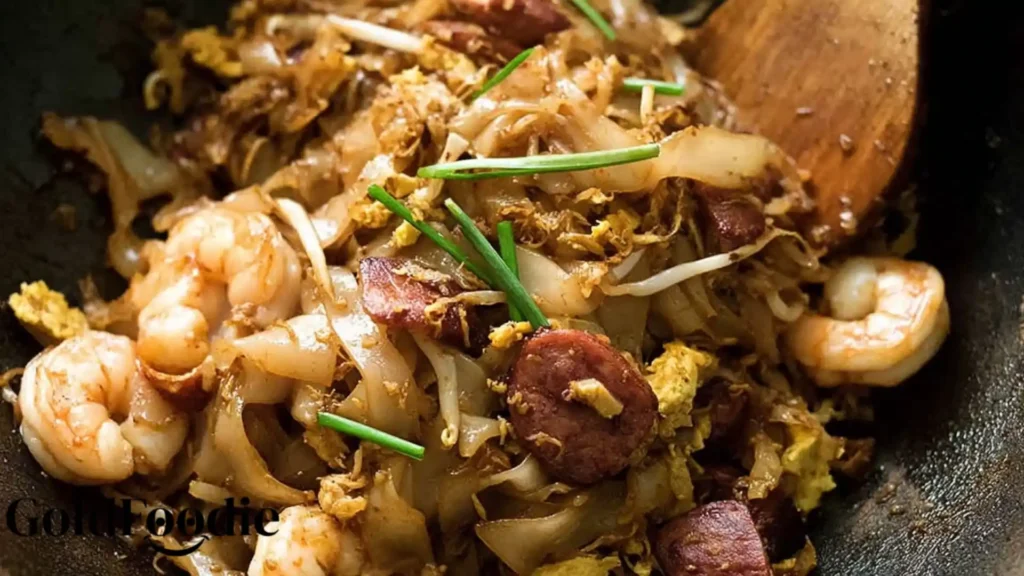
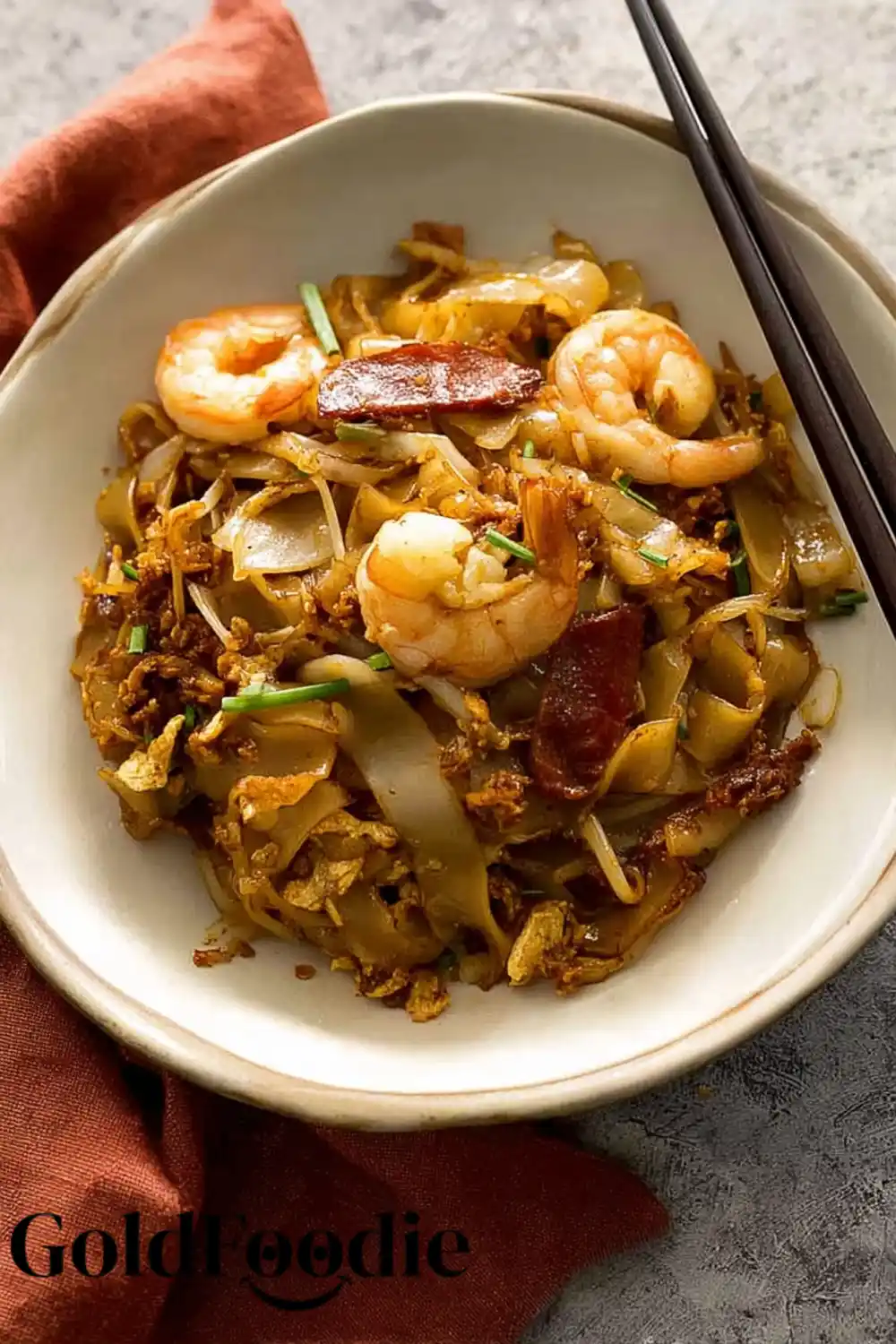
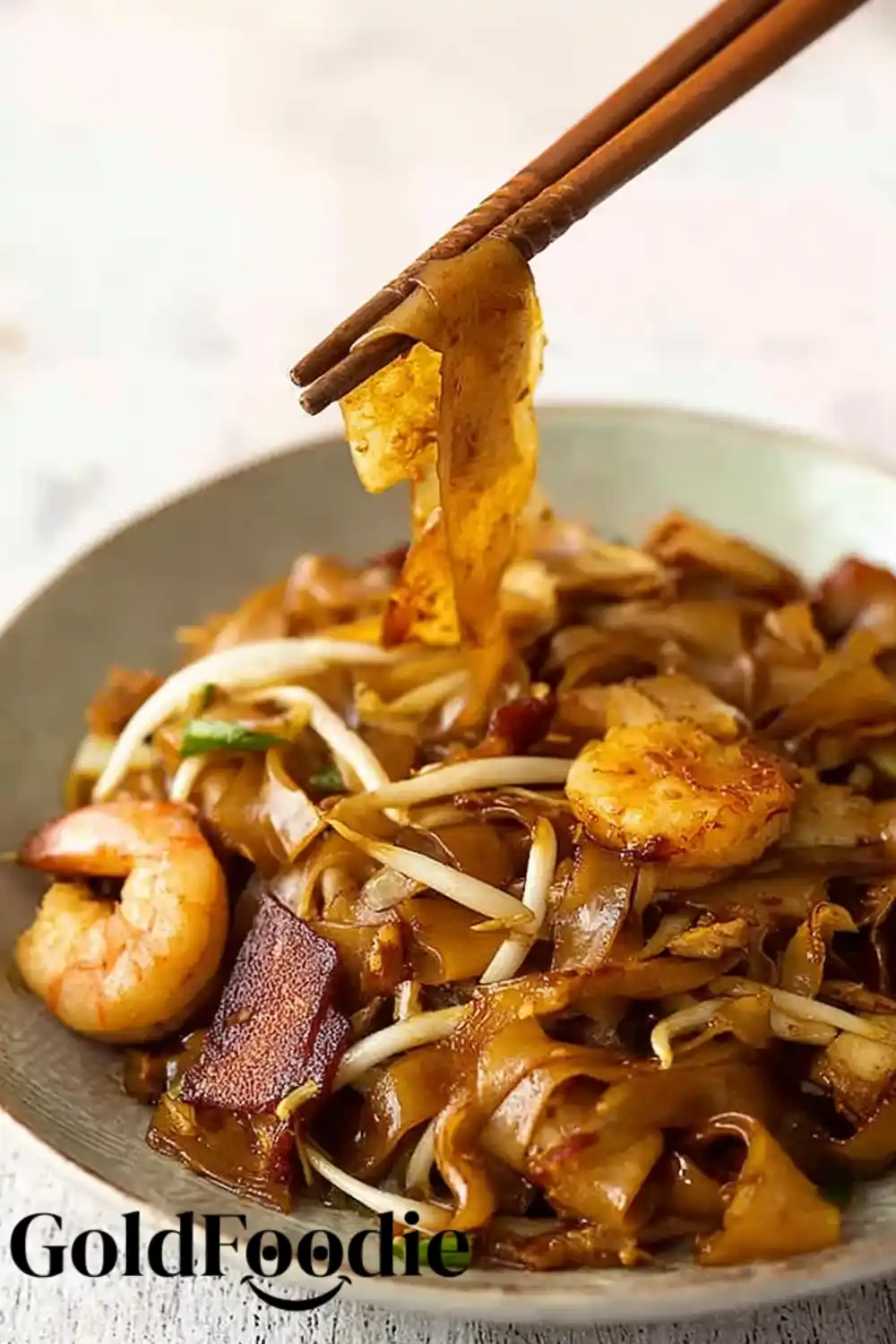
Step into the vibrant world of Malaysian street food with this iconic Kuay Teow recipe. Char Kway Teow, often abbreviated as CKT, offers a symphony of smoky, savory, and subtly sweet flavors. You’ll adore the contrasting textures from silky flat rice noodles, succulent prawns, flavorful Chinese sausage, and crisp bean sprouts.
This guide provides two methods: a traditional approach for experienced cooks and an easier version perfect for home kitchens. We navigate the delightful challenge of achieving “wok hei” and handling delicate noodles with care.
Table of Contents
Why You’ll Love This Kuay Teow
- You can recreate the authentic taste of this beloved street food right in your own kitchen.
- The actual cooking process is incredibly quick once you complete your preparation.
- Enjoy a deeply satisfying blend of textures, from tender noodles to crunchy sprouts.
- This recipe is easily customizable, allowing you to tailor it to your personal preferences.
- With two distinct methods, cooks of all skill levels can confidently master this dish.
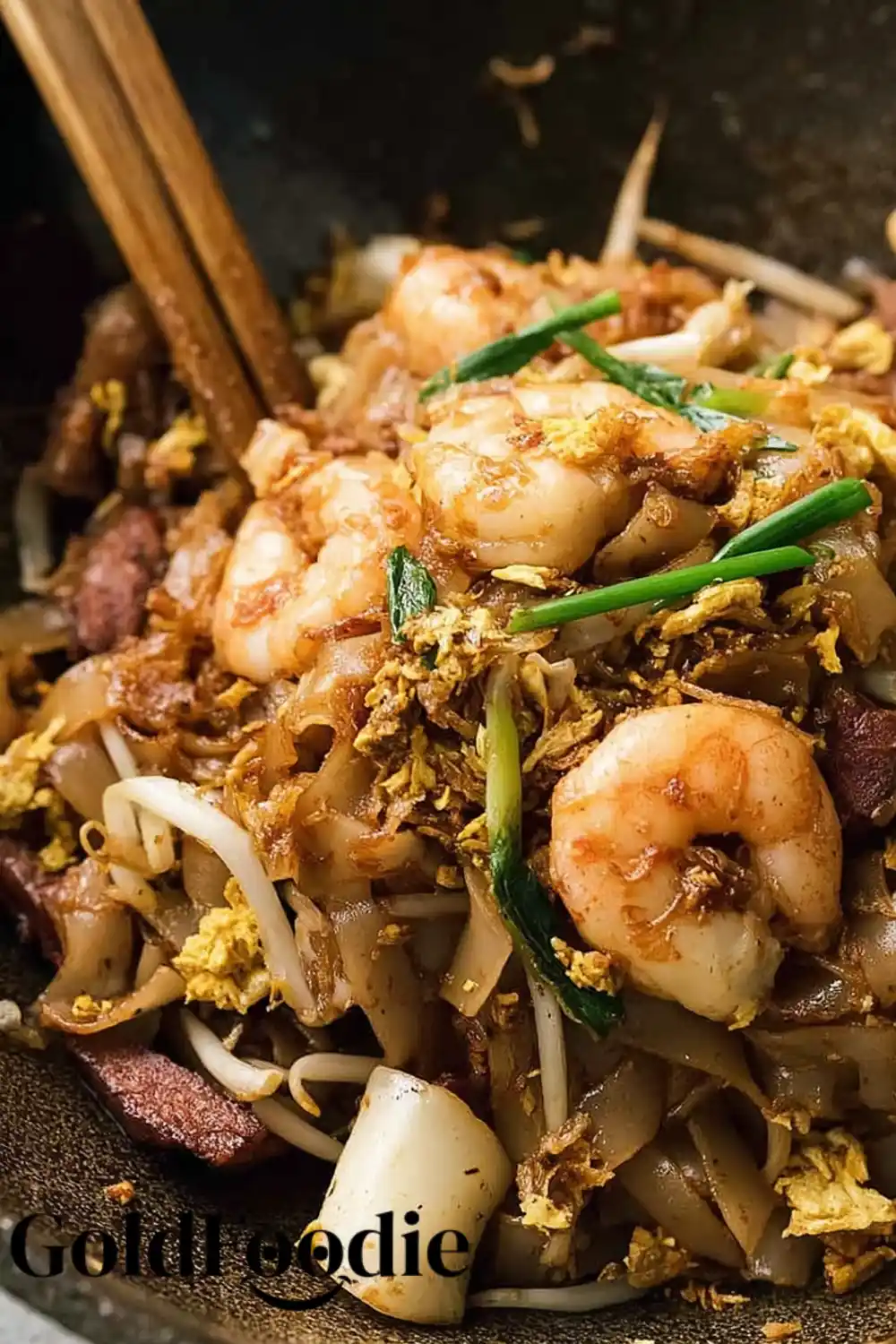
Ingredients
Gather these fresh, high-quality ingredients to create your perfect plate of Kuay Teow:
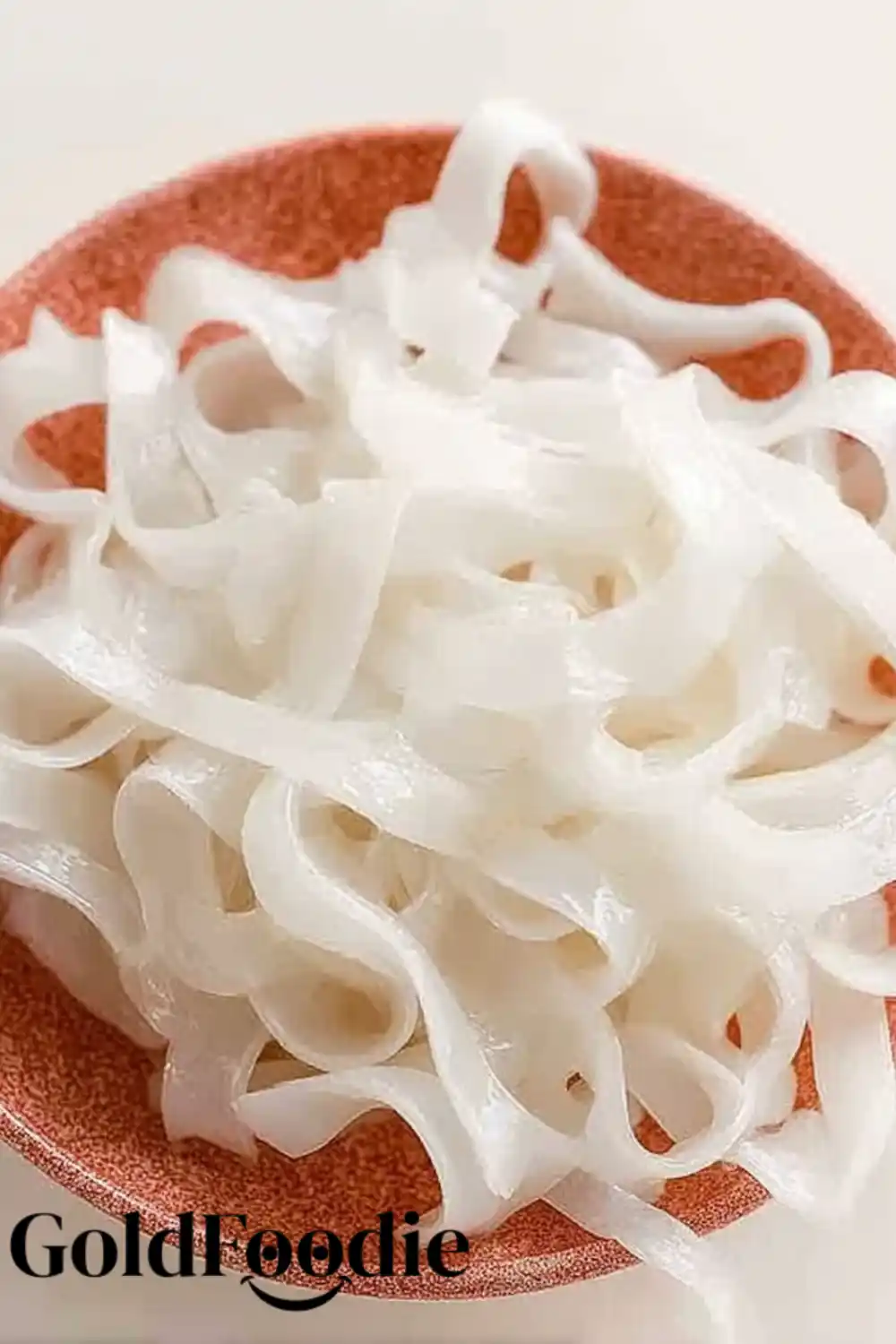
- Noodles: 500 g / 1 lb fresh wide rice noodles
- Cooking Fats: 2 tbsp lard (or vegetable oil), 2 tbsp vegetable oil (separated)
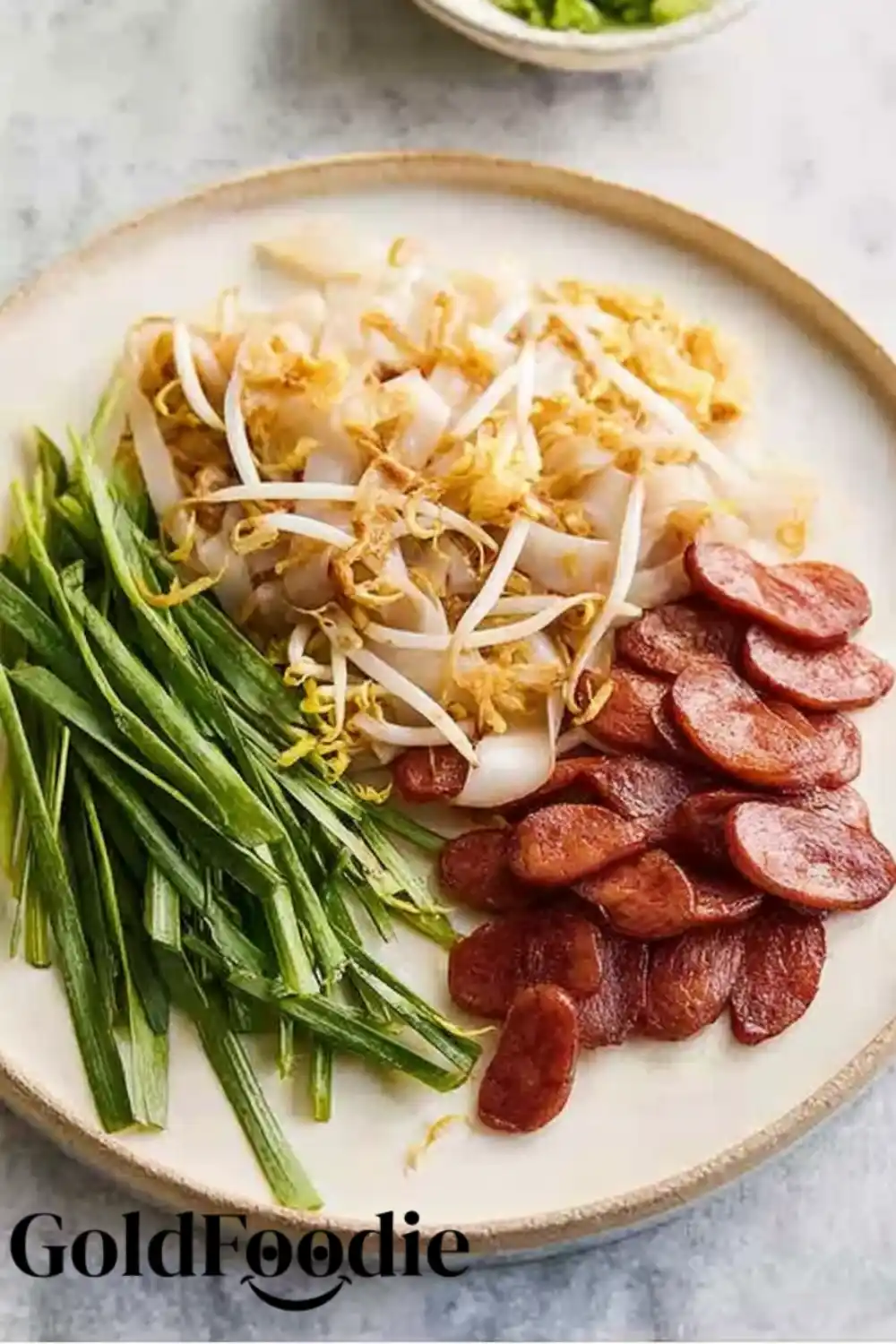
- Proteins: 10 small prawns/shrimp (shelled, deveined), 1 Chinese sausage / Lup Chong Sausage (sliced thinly on the diagonal), 5 cm / 2″ piece of fried fish cake (sliced thinly)
- Aromatics & Vegetables: 2 garlic cloves (finely chopped), 20 stems garlic chives (cut into 4 pieces), 2 1/2 cups bean sprouts
- Eggs: 2 eggs, whisked
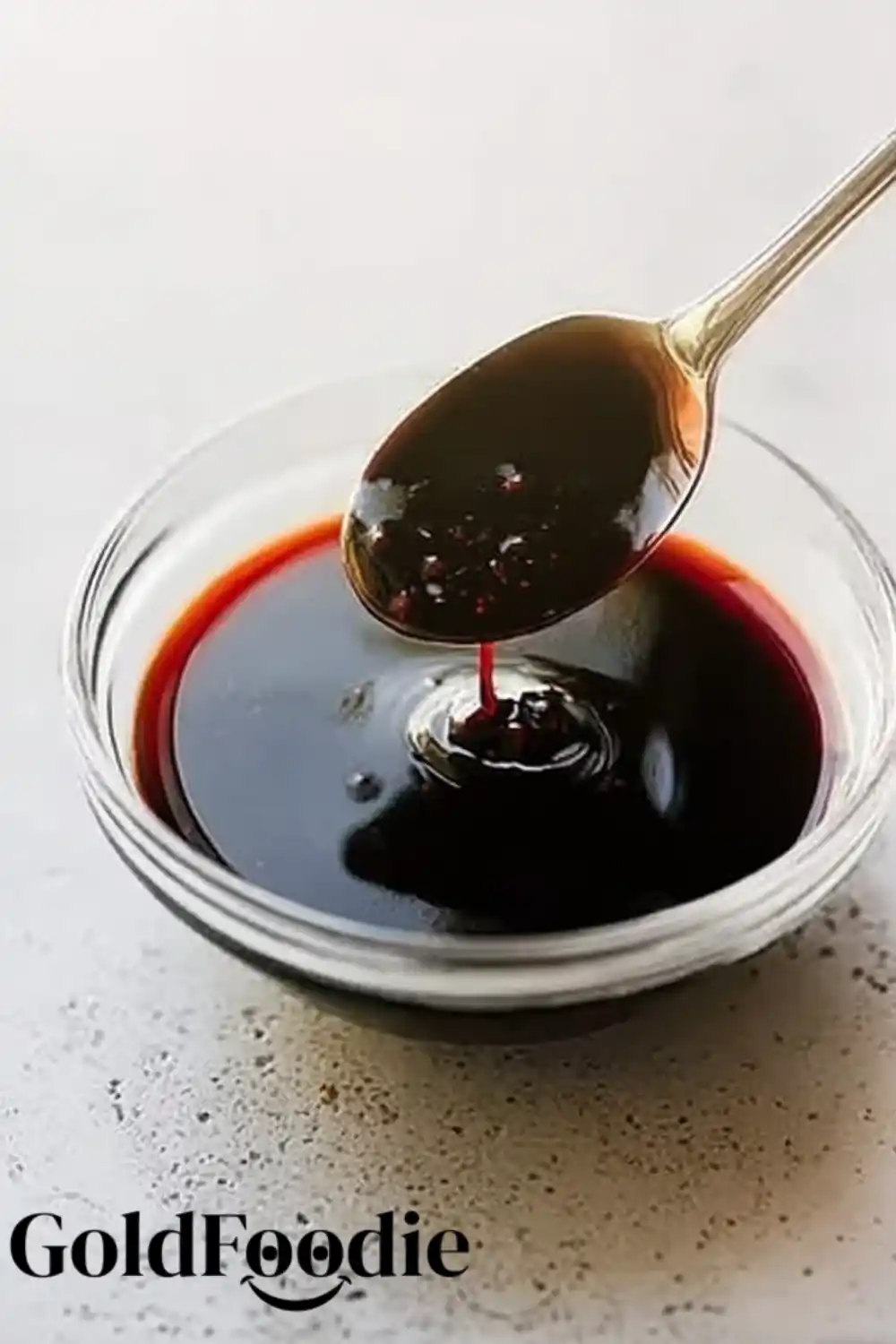
- Sauce: 5 tsp dark soy sauce, 4 tsp light soy, 2 tsp oyster sauce, 4 tsp kecap manis / sweet soy sauce
Notes & Substitutions
- Fresh wide rice noodles are crucial for their unique chewiness; look for them in Asian markets. If unavailable, dried wide rice stick noodles can work, but prepare them according to package directions. Lard contributes a distinct smoky flavor, but vegetable oil is a fine substitute.
- Chinese sausage (Lup Chong) offers a sweet-savory punch; try sliced Char Siu or even crispy bacon as an alternative. Fried fish cake adds a lovely texture and flavor; Asian fish balls or firm tofu make good substitutes.
- Garlic chives have a mild oniony taste; regular chives or chopped green onions will work. Dark soy sauce primarily adds color and a deeper caramel note, while light soy sauce provides salinity. Kecap Manis, a sweet Indonesian soy sauce, is essential for the dish’s signature sweetness and glaze.
Equipment
Making perfect Kuay Teow requires just a few key pieces of equipment. You’ll need a wok or a very large, heavy-based skillet to ensure even heat distribution and enough space for tossing. Essential basic tools include a sturdy cutting board, a sharp knife for ingredient preparation, accurate measuring spoons and cups for the sauce, and a spatula and wooden spoon for stir-frying and gentle mixing.
How To Make Kuay Teow
Bringing this delicious Kuay Teow to life is an exciting journey. Let’s start with careful preparation, which is key to a smooth cooking experience, then move to our two cooking methods.
Prep (for both methods):
- Prepare the Sauce: In a small bowl, combine the dark soy sauce, light soy, oyster sauce, and kecap manis. Whisk everything together until well blended. Set aside.
- Warm and Separate Noodles: Do not attempt to pull cold, hard noodles apart, as they will break easily. Place the entire packet of fresh wide rice noodles in the microwave and heat on high for 1 1/2 to 2 minutes, or until warm and pliable but not hot. Turn the packet over as needed during heating. Carefully measure out 500g (1 lb) of noodles into a heatproof bowl. Gently separate any noodles that are stuck together. If the noodles cool and become brittle before you start cooking, cover them with cling wrap and microwave for an additional 30 seconds to warm them slightly, reducing breakage.
- Chop All Ingredients: Slice the Chinese sausage thinly on the diagonal. Thinly slice the fried fish cake. Finely chop the garlic cloves. Cut the garlic chives into 4 pieces. Have your shelled and deveined prawns ready, and ensure your bean sprouts are rinsed. Whisk the two eggs in a small bowl.
Base Recipe (Traditional, for experienced cooks):
- Heat Wok: Heat the lard and 1 tbsp vegetable oil in a wok or a very large, heavy-based skillet over high heat until it starts smoking. Swirl the oil around the wok to coat.
- Cook Prawns & Garlic: Add the prawns and stir-fry for 30 seconds until they just begin to turn pink. Immediately add the chopped garlic and stir for another 10 seconds until fragrant.
- Add Noodles: Add the prepared noodles to the wok. Using both hands on the wok handle, quickly toss the noodles 4 times to coat them evenly with the hot oil. Alternatively, you can gently fold them with a spatula and wooden spoon to prevent breakage.
- Incorporate Proteins & Veg: Add the sliced Chinese sausage and fish cake. Toss or gently fold 4 more times to combine. Next, add the bean sprouts and garlic chives. Toss or gently fold 6 times until the sprouts just begin to wilt.
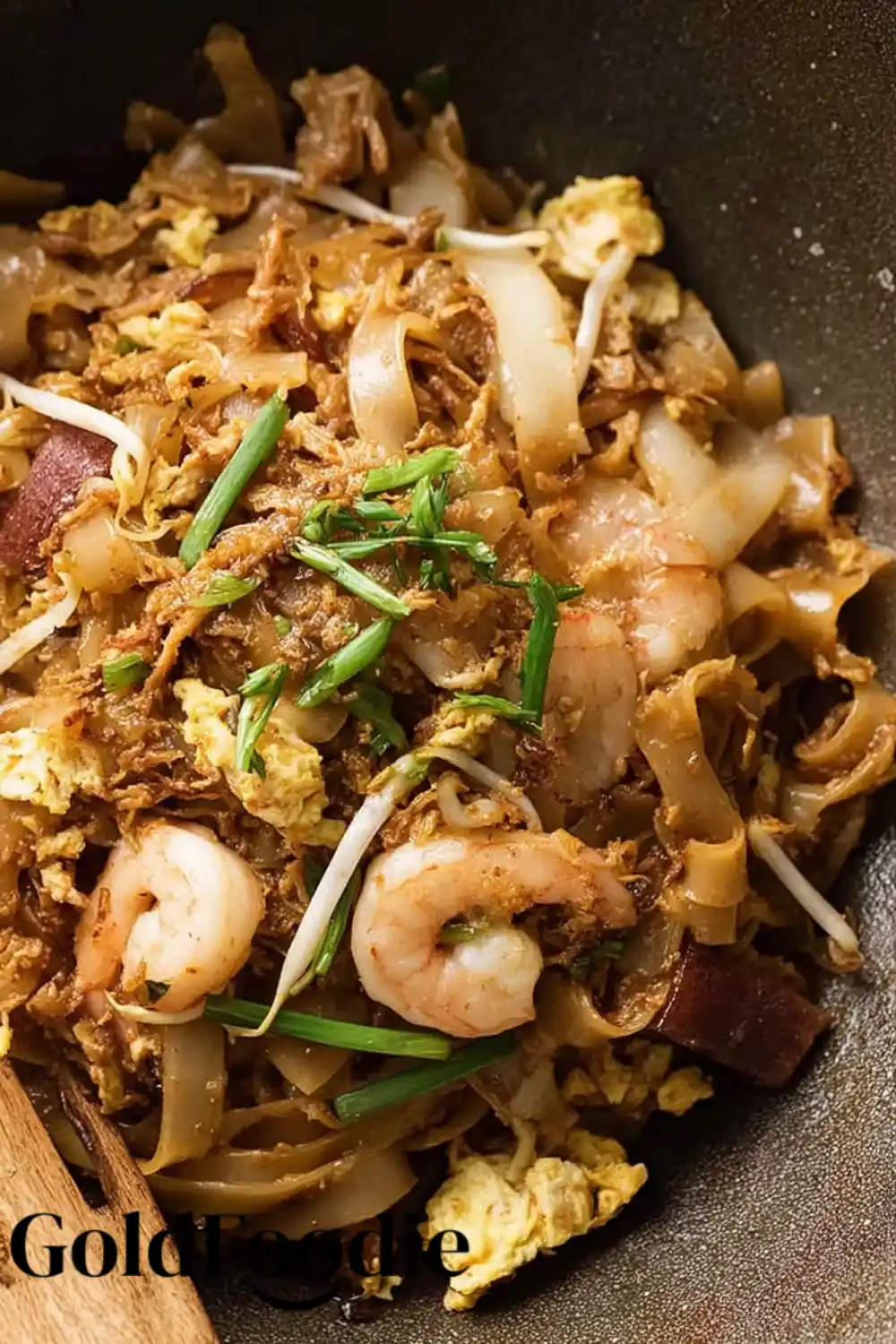
- Cook Egg: Push all the ingredients to one side of the wok. Add the remaining 1 tbsp vegetable oil to the cleared space. Pour the whisked egg into the hot oil. Let it cook for about 1 minute, moving it around until it is mostly set. Use your wooden spoon to roughly chop the cooked egg into smaller pieces, then mix it in with the other ingredients.
- Add Sauce & Caramelize: Pour the prepared sauce evenly over the noodles and other ingredients. Toss vigorously to disperse the sauce throughout the Kuay Teow. Pause briefly between tosses to allow the edges of the noodles to caramelize slightly and develop that signature smoky flavor.
- Serve: Remove from heat and serve your Classic Malaysian Char Kway Teow immediately!
Easier Method (for home cooks):
- Cook Shrimp: Heat 1 tbsp vegetable oil in a large non-stick skillet over high heat. Add the shrimp and cook for about 1 1/2 minutes until they are just cooked through. Remove the cooked shrimp and place them in a separate bowl.
- Cook Sausage & Fish Cake: Add the Chinese sausage and fish cake to the same skillet. Cook for 1 minute until the sausage begins to caramelize. Transfer these cooked ingredients to the bowl with the shrimp.
- Cook Egg: Add 1 tbsp vegetable oil to the skillet. Pour in the whisked egg. Cook, pushing the edges inwards to form a thick omelette. Once set, use a wooden spoon to roughly chop the egg into pieces. Add the chopped egg to the bowl with the other cooked proteins.
- Cook Bean Sprouts: Add the bean sprouts to the hot skillet. Cook for about 1 minute, just until they begin to wilt slightly but still retain some crispness. Transfer the bean sprouts to the bowl with the other cooked ingredients.
- Cook Noodles: Add the lard to the skillet. Once melted and beginning to smoke, add the finely chopped garlic, then immediately add the prepared noodles. Gently fold the noodles 4 times using a spatula and wooden spoon to disperse the oil evenly through them.
- Combine & Sauce: Tip all the previously cooked ingredients (shrimp, sausage, fish cake, egg, bean sprouts) and the fresh garlic chives back into the skillet with the noodles. Fold gently twice to combine.
- Add Sauce & Finish: Pour all of the prepared sauce over the ingredients. Gently toss 4 to 6 times to evenly disperse the sauce throughout the Kuay Teow, pausing briefly between tosses to allow the noodles to caramelize slightly on the edges.
- Serve: Remove the skillet from the stove and serve your homemade Kuay Teow immediately while hot.
Pro Tips & Troubleshooting
- Achieving the coveted “wok hei” smoky flavor at home can be challenging without professional burners. Focus on using a very hot wok or skillet, cooking in batches if necessary, and allowing the noodles to caramelize briefly against the hot surface. To prevent noodle breakage, handle the fresh wide rice noodles gently after warming them.
- Over-tossing can tear them apart, so use a gentle folding motion. Consistent high heat is paramount for both methods; this ensures quick cooking and the best texture for your Kuay Teow. Always practice mise en place by having all ingredients prepped and within reach before you start cooking, as this dish cooks incredibly fast.
- According to a food science discussion, wok hei refers to the smoky flavor resulting from the caramelization of sugars and Maillard reactions at high temperatures.
Serving, Storage & Variations
- Serve your freshly made Kuay Teow immediately, while it’s still hot and aromatic. A side of spicy chili oil or a dollop of sambal can elevate the experience for those who enjoy extra heat. Store any leftovers in an airtight container in the refrigerator for up to 2-3 days. Reheat gently in a skillet or microwave, adding a splash of water if needed to prevent drying.
- For delightful variations, consider substituting or adding proteins like sliced chicken breast, tender beef, or firm tofu cubes. Boost the vegetable content by incorporating thinly sliced cabbage, matchstick carrots, or snow peas during the stir-frying process. You can easily adjust the spice level by adding fresh bird’s eye chilies, a dash of chili paste, or chili flakes during cooking.
Nutrition Information
This Classic Malaysian Char Kuay Teow offers a satisfying meal. Each serving provides approximately 522 calories, making it a substantial and flavorful dish. It is also rich in protein from the prawns, sausage, and egg, and provides complex carbohydrates from the rice noodles, offering sustained energy. While delicious, be mindful of the sodium content. You can slightly reduce sodium by using low-sodium soy sauces or reducing the amount of oyster sauce.
| Nutrient | Per Serving (Estimated) |
|---|---|
| Calories | 522 kcal |
| Protein | High |
| Carbohydrates | High |
| Fat | Moderate |
| Sodium | Varies |
Frequently Asked Questions (FAQ)
What type of noodles are best for Kuay Teow?
Fresh wide flat rice noodles are ideal for their chewy texture and ability to absorb flavors. Look for them in the refrigerated section of Asian grocery stores.
How can I get a smoky flavor without a high-powered wok burner?
Use a very hot, heavy-based skillet and cook in small batches if necessary. Allow ingredients, especially the noodles, to sit briefly on the hot surface to caramelize and char slightly before tossing.
Can I make this recipe vegetarian or gluten-free?
Yes! For a vegetarian option, omit the prawns and sausage, using extra fried fish cake or firm tofu, and ensure your oyster sauce is vegetarian. For gluten-free, substitute all soy sauces with tamari and use a gluten-free oyster sauce.
What are some common mistakes to avoid when making Char Kuay Teow?
Avoid overcrowding the pan, which lowers the temperature and steams rather than fries. Also, do not over-toss delicate fresh noodles, as this can break them into small pieces.
Final Thoughts
Bringing the flavors of Malaysian street food into your home with this classic Kuay Teow recipe is a truly rewarding experience. Whether you embrace the traditional method or opt for the home-cook friendly version, you’ll discover the pure satisfaction of creating something so authentic and delicious.
The harmonious blend of smoky, savory, and sweet, coupled with varied textures, makes this dish an unforgettable family favorite. Take the leap, embrace the joy of simple cooking, and savor every delightful bite of your homemade Char Kuay Teow!
Classic Malaysian Char Kuay Teow
Ingredients
Equipment
Method
- Combine all sauce ingredients in a bowl and mix well.
- To make cold, hard noodles pliable, microwave the whole packet on high for 1.5-2 minutes until warm, turning as needed. Carefully separate the noodles.
- If noodles become brittle before cooking, cover with cling wrap and microwave for 30 seconds to re-warm.
- Heat lard and 1 tbsp oil in a wok over high heat until smoking, then add prawns and cook for 30 seconds.
- Add garlic and stir for 10 seconds, then add noodles and toss 4 times to coat with oil.
- Incorporate Chinese sausage and fish cake, tossing 4 times, then add bean sprouts and garlic chives, tossing 6 times.
- Push ingredients to one side, add remaining 1 tbsp oil, and cook the whisked eggs for about 1 minute until mostly set, then chop them roughly.
- Pour the mixed sauce over the noodles and toss to disperse, pausing to allow the noodles to caramelize on the edges. Serve immediately.
- Heat 1 tbsp oil in a large non-stick skillet over high heat. Cook shrimp for 1.5 minutes until done, then remove to a bowl.
- Add Chinese sausage and fish cake, cook for 1 minute until caramelized, then add to the bowl with shrimp.
- Add 1 tbsp oil, cook the whisked egg into a thick omelette, chop roughly, and add to the bowl.
- Cook bean sprouts for 1 minute until just wilted, then add to the bowl.
- Add lard. Once melted and smoking, add garlic, then immediately add noodles. Fold gently 4 times to disperse oil.
- Return all other cooked ingredients and chives to the skillet. Fold gently twice, then pour all the sauce over.
- Gently toss 4-6 times to disperse the sauce, pausing to allow for caramelization. Remove from heat and serve immediately.
Notes

Hi there, I’m chef living in New York City. Every morning, I wake up to the sounds of my little one’s laughter and the comforting routine of preparing breakfast for my family my husband, our child, and my beloved mother, who’s become both my rock and my inspiration since my father passed away. As the only daughter left in our family, I feel a deep responsibility to carry on his memory whenever I step into the kitchen.
- Dominique

- Dominique
- Dominique
- Dominique