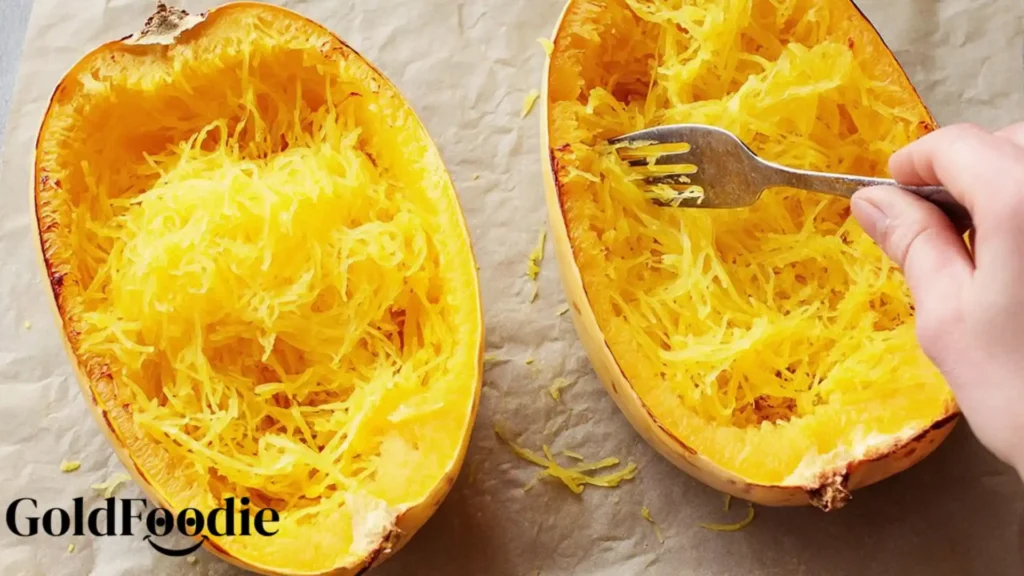
Welcome to the wonderful world of spaghetti squash! This unique vegetable offers a fantastic, healthy alternative to pasta, with its distinctive, noodle-like strands. Roasting is the easiest and most flavorful way to prepare it, transforming a seemingly intimidating gourd into a versatile meal component. Get ready to learn a simple method that guarantees perfectly tender-crisp results, never mushy, every single time.
Table of Contents
Why You’ll Love This Method
This straightforward approach to cooking spaghetti squash makes healthy eating a breeze. You’ll absolutely adore this recipe for several reasons:
- Quick & Easy: Minimal prep work means you spend less time in the kitchen.
- Perfect Texture: We focus on achieving tender-crisp, al dente strands, not a watery, mushy mess.
- Healthy & Low-Carb: It’s an excellent, nutrient-dense substitute for traditional pasta.
- Few Ingredients: You only need a few pantry staples to bring out its natural flavor.
- Incredibly Versatile: Serve it as a side or as the base for countless delicious meals.
Ingredients
To perfectly roast your spaghetti squash, you only need a few simple items. These foundational ingredients bring out the natural sweetness and texture of the squash, making it incredibly delicious.
- 1 whole spaghetti squash
- 2 tablespoons extra-virgin olive oil
- ½ teaspoon sea salt
- ¼ teaspoon freshly ground black pepper
- Optional: ½ teaspoon garlic powder, ½ teaspoon dried Italian herbs
Notes & Substitutions
When selecting your squash, look for one that is firm to the touch, heavy for its size, and free from soft spots or blemishes. A vibrant yellow color indicates ripeness. If you don’t have olive oil, avocado oil works wonderfully and offers a similar mild flavor and high smoke point. Feel free to customize your seasonings beyond salt and pepper. Experiment with Italian seasoning, a pinch of chili powder for a kick, or even a dash of smoked paprika to enhance its savory notes.
Equipment
You don’t need fancy tools to make delicious roasted spaghetti squash. Gather these basic kitchen essentials, and you’ll be all set:
- Sharp chef’s knife
- Sturdy cutting board
- Large spoon (for scooping seeds)
- Baking sheet
- Fork (for scraping strands)
- Optional: Microwave-safe plate or bowl
How To Make Spaghetti Squash
Cooking spaghetti squash is a simple process, yielding delicious results with minimal effort. Follow these steps for perfect, tender strands every time:
- Preheat Oven: Preheat your oven to 400°F (200°C). Arrange an oven rack in the middle position.
- Prepare Squash: Carefully slice the spaghetti squash in half lengthwise. A sharp knife and a stable cutting board make this easier.
- Scoop Seeds: Use a large spoon to scoop out all the seeds and stringy bits from the center of each squash half. Discard these.
- Season: Drizzle about 1 tablespoon of extra-virgin olive oil onto the cut side of each squash half. Use your hands to rub the oil evenly over the surface. Sprinkle generously with sea salt and freshly ground black pepper. If using, add garlic powder or dried herbs here too.
- Place on Baking Sheet: Place the seasoned spaghetti squash halves cut-side down on a large baking sheet. This ensures the cut surface caramelizes nicely.
- Poke Holes: Use a fork to poke several holes into the skin of each squash half. This allows steam to escape during baking, preventing the squash from bursting and ensuring even cooking.
- Roast: Roast in the preheated oven for 30 to 40 minutes. The exact time depends on the size of your squash. You want the skin to be lightly browned and the flesh fork-tender, but still a little firm. It should not be mushy.
- Cool & Scrape: Carefully remove the baking sheet from the oven and flip the squash halves so they are cut-side up. Allow them to cool for about 5-10 minutes, or until cool enough to handle.
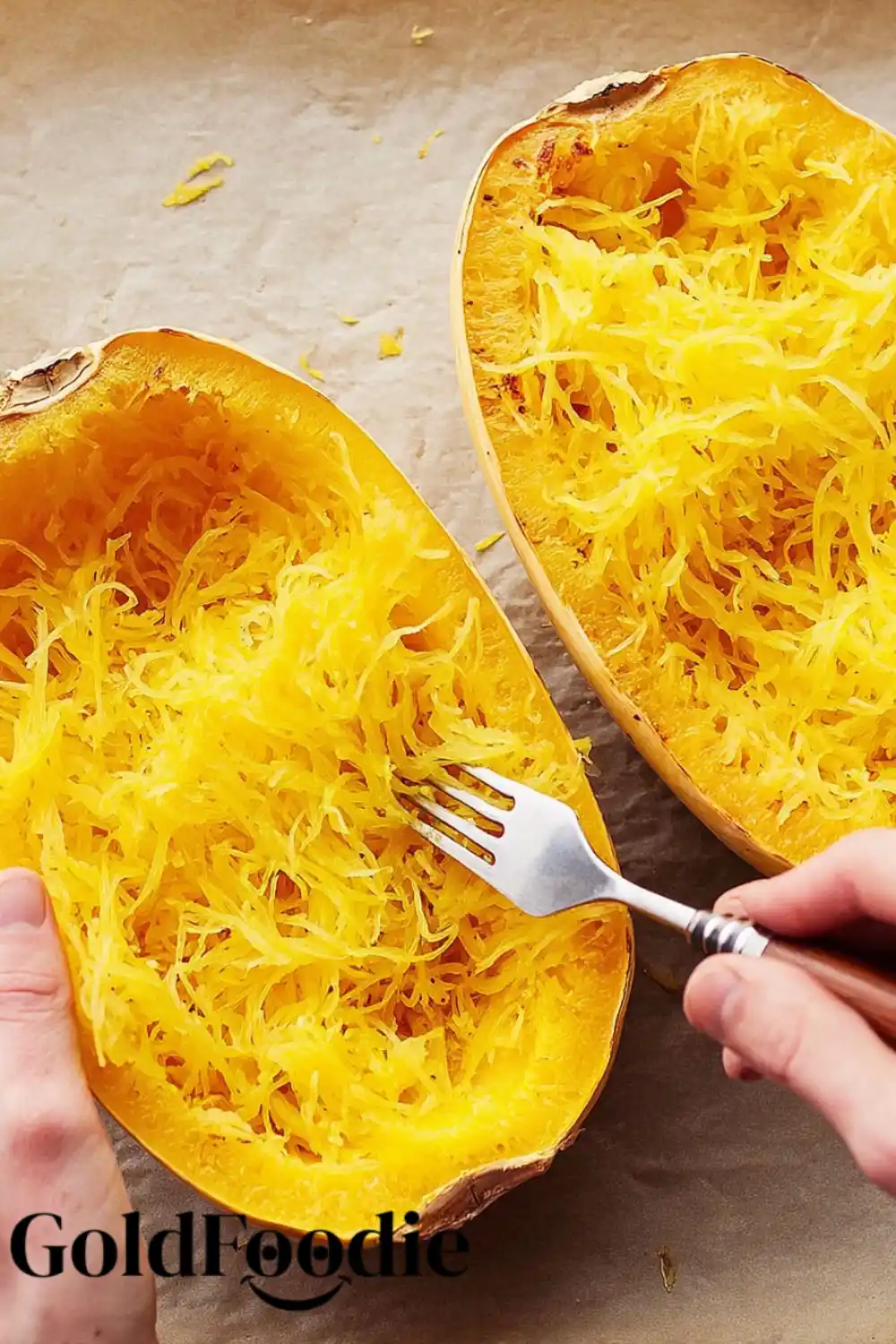
- Form Strands: Once slightly cooled, use a fork to gently scrape the flesh from the sides of the squash. It will naturally separate into spaghetti-like strands. Continue scraping until you’ve removed all the strands.
- Serve: Serve the freshly scraped spaghetti squash immediately, or incorporate it into your favorite recipes.

Softening the Squash (Optional, for easy cutting)
Cutting a raw spaghetti squash can sometimes be a challenge due to its hard skin. If you find it too difficult, you can pre-soften the squash to make cutting easier:
- Microwave Method: Prick the whole spaghetti squash all over with a fork about 8-10 times. Place it on a microwave-safe plate and microwave for 1-2 minutes on high. This will slightly soften the skin.
- Oven Method: Alternatively, you can bake the whole, pricked squash at 400°F for about 10 minutes before attempting to cut it.
After either pre-softening method, proceed with cutting the squash lengthwise as described in the main instructions. Be careful, as the squash will be hot.
Pro Tips & Troubleshooting
Achieving perfect spaghetti squash is simple with a few key tricks. Keep these in mind to ensure success every time:
- Avoid Mushy Squash: The key is not to overcook it. Roast until fork-tender but still slightly resistant. Aim for al dente, not soft and watery.
- Safe Cutting: Always use a sharp knife on a stable surface. If the squash rolls, place a damp kitchen towel underneath it for stability. Softening it first is a great safety measure.
- Perfect Strands: Scrape gently with your fork from the outside edges inward. The strands naturally separate in that direction. Avoid aggressive scraping.
- Enhance Flavor: Once scraped, toss the spaghetti squash with a pat of butter, minced garlic, or a sprinkle of grated Parmesan cheese for extra richness.
- Don’t Overcrowd: Give your squash halves space on the baking sheet for even roasting. If necessary, use two baking sheets.
Serving Suggestions, Storage, & Variations
Roasted spaghetti squash is incredibly versatile, making it a fantastic addition to almost any meal.
Serving Suggestions
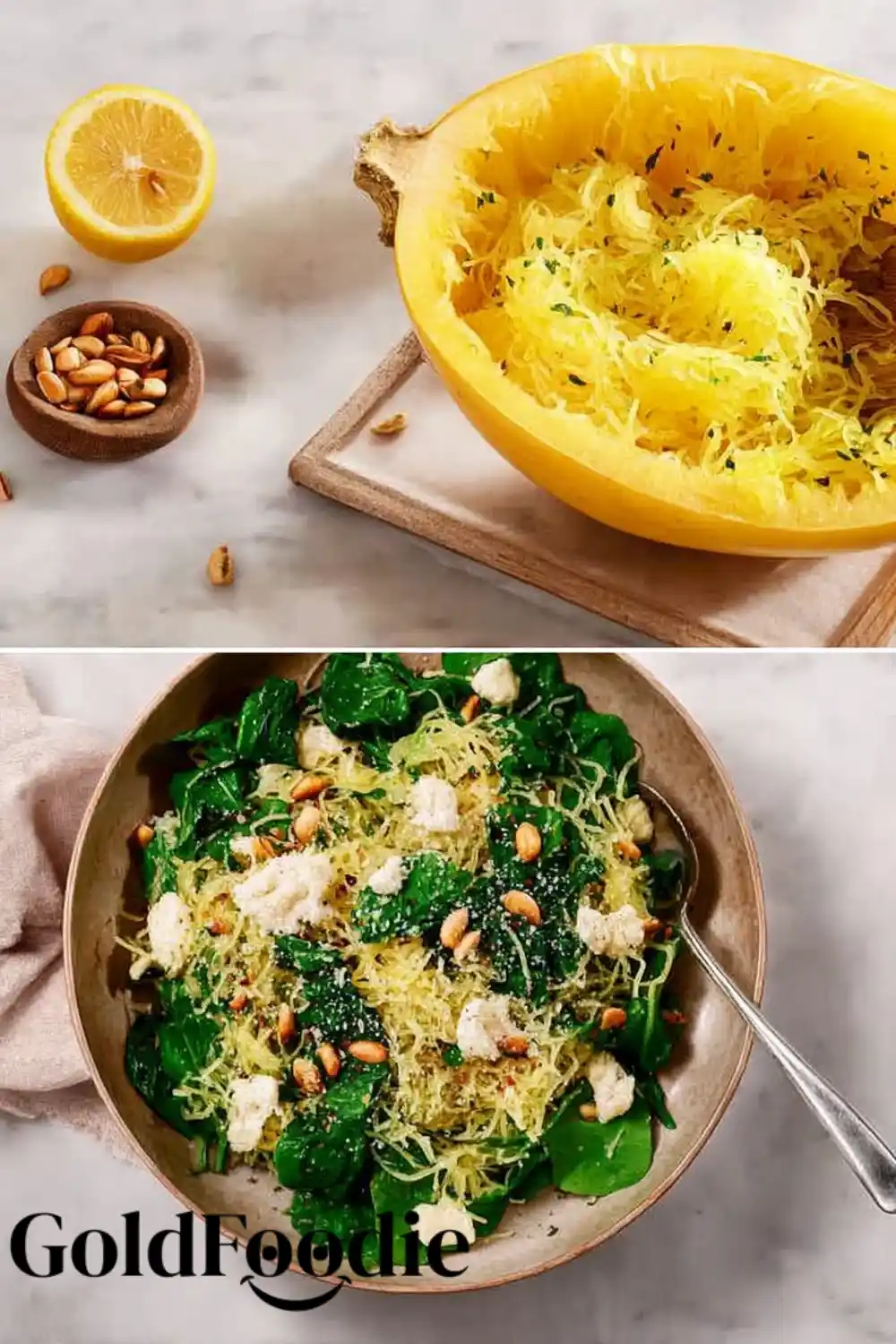
- Simple Side Dish: Toss the strands with a little butter, fresh herbs like parsley or chives, and a squeeze of lemon juice.
- Pasta Alternative: Use it as a healthy base for your favorite pasta sauces, such as marinara, pesto, Alfredo, or a hearty Bolognese.
- Bowl Base: Incorporate spaghetti squash into grain bowls or nourish bowls with roasted vegetables, a protein, and a tasty dressing.
- Casseroles & Stir-fries: Add it to casseroles for added texture or use it in place of noodles in light stir-fries.
Storage
- Refrigerate: Store cooked and scraped spaghetti squash strands in an airtight container in the refrigerator for up to 3-4 days.
- Reheat: Gently reheat portions in the microwave until warm, or sauté in a skillet with a tiny bit of olive oil until heated through. Avoid overcooking during reheating.
Variations
- Garlic Parmesan Spaghetti Squash: Toss hot strands with minced garlic, butter, and a generous amount of grated Parmesan cheese.
- Spicy Roasted Spaghetti Squash: Add a pinch of red pepper flakes along with the salt and pepper before roasting.
- Stuffed Spaghetti Squash Boats: After scraping, mix the strands with a filling (like ground meat, vegetables, and cheese) and return it to the squash “boat” to bake until heated and bubbly.
Nutrition
Spaghetti squash is a powerhouse of nutrition, making it a smart choice for any meal. It is naturally low in calories and carbohydrates, especially when compared to traditional pasta. This vegetable is also an excellent source of dietary fiber, promoting digestive health and helping you feel full and satisfied. Furthermore, it provides essential vitamins like Vitamin C and B vitamins, along with minerals such as potassium and manganese. Enjoy this healthy carb alternative guilt-free.
For a more in-depth look at its components, explore the detailed spaghetti squash nutrition facts and health benefits from reputable sources.
| Nutrient | Per 1 Cup (cooked) |
|---|---|
| Calories | 42 |
| Total Fat | 0.4g |
| Cholesterol | 0mg |
| Sodium | 30mg |
| Total Carb. | 10g |
| Dietary Fiber | 2.2g |
| Total Sugars | 4.2g |
| Protein | 1g |
| Vitamin C | 9% DV |
| Vitamin B6 | 10% DV |
| Manganese | 11% DV |
Disclaimer: Nutritional information is an estimate and may vary based on preparation and specific ingredients used.
Frequently Asked Questions (FAQ)
Got questions about cooking spaghetti squash? We have answers to some common inquiries.
How long does spaghetti squash last?
Whole, uncooked spaghetti squash can last for 1-3 months in a cool, dark pantry. Cooked strands stay fresh in the refrigerator for 3-4 days.
Can you eat spaghetti squash skin?
No, the skin of spaghetti squash is tough and not edible. You only eat the tender strands from the inside.
How do I know when spaghetti squash is cooked?
It’s done when the skin yields slightly to pressure and a fork easily pierces the flesh, yet the strands still have a slight al dente bite.
Can I cook spaghetti squash in the microwave?
Yes, you can microwave it. Cut in half, scoop seeds, season, add a little water to the baking dish, and microwave for 10-15 minutes until tender.
Is spaghetti squash a good pasta substitute?
Absolutely! Its noodle-like texture makes it an excellent, healthy, and low-carb alternative to traditional pasta.
Final Thoughts
Mastering how to cook spaghetti squash is a fantastic skill for any home cook, especially for those seeking simple, healthy meals. This roasting method ensures delicious, perfectly textured strands every single time, making it easy to enjoy this versatile vegetable. Embrace its simplicity and incredible adaptability in countless dishes. You’re now equipped to enjoy healthy and delicious eating with this amazing gourd!
How to Cook Spaghetti Squash (Perfectly Every Time!)
Ingredients
Equipment
Method
- Preheat your oven to 400°F (200°C).
- Slice the spaghetti squash in half lengthwise, then scoop out the seeds and ribbing. Drizzle the inside with olive oil and season generously with salt and pepper.
- Place the squash cut-side down on a baking sheet, poke holes with a fork, and roast for 30 to 40 minutes until it’s lightly browned and fork-tender, yet still slightly firm.
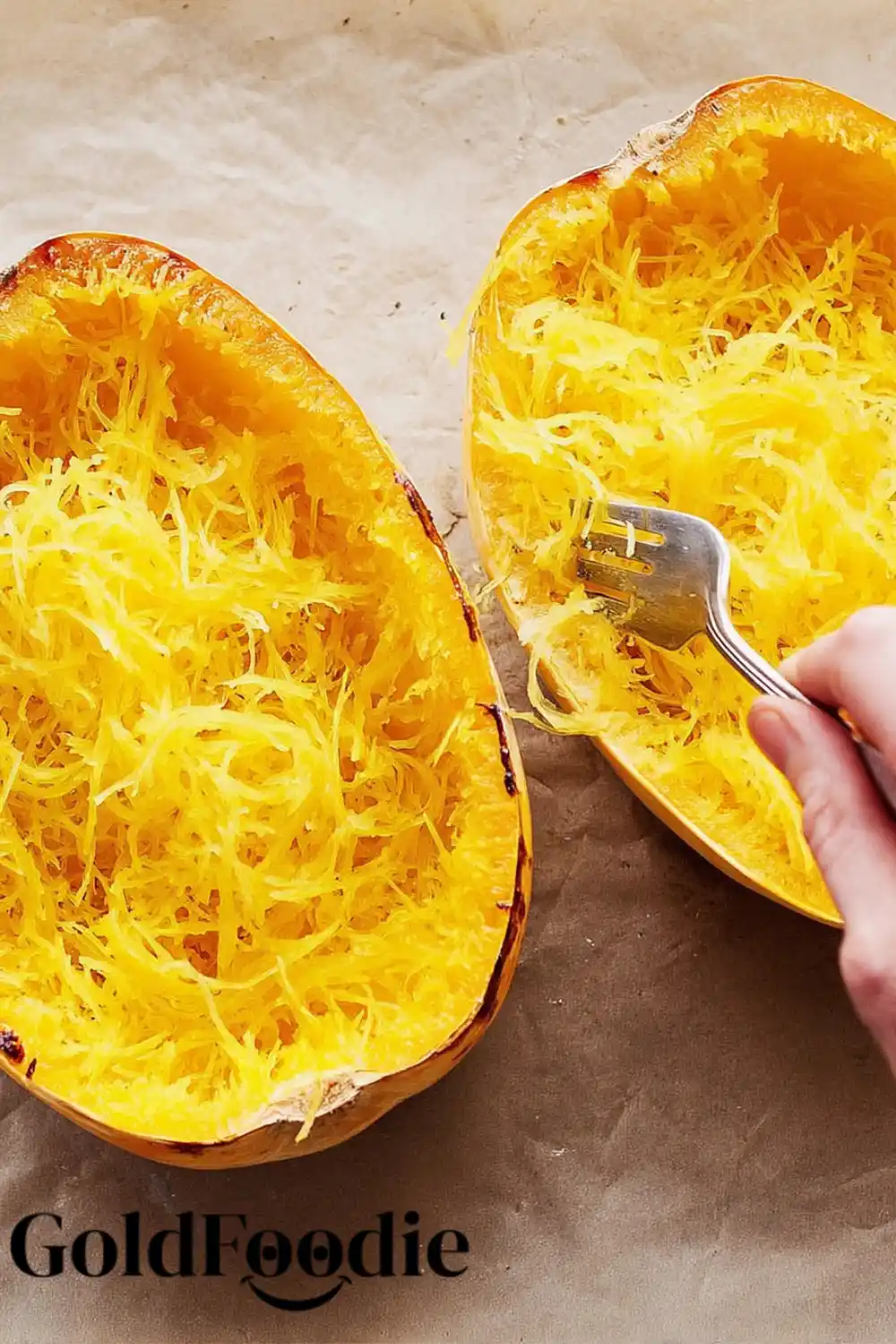
- Remove from the oven, flip the squash cut-side up, and once cool enough to handle, use a fork to scrape and fluff the strands from the sides.
Notes

Hi there, I’m chef living in New York City. Every morning, I wake up to the sounds of my little one’s laughter and the comforting routine of preparing breakfast for my family my husband, our child, and my beloved mother, who’s become both my rock and my inspiration since my father passed away. As the only daughter left in our family, I feel a deep responsibility to carry on his memory whenever I step into the kitchen.
- Dominique

- Dominique
- Dominique
- Dominique