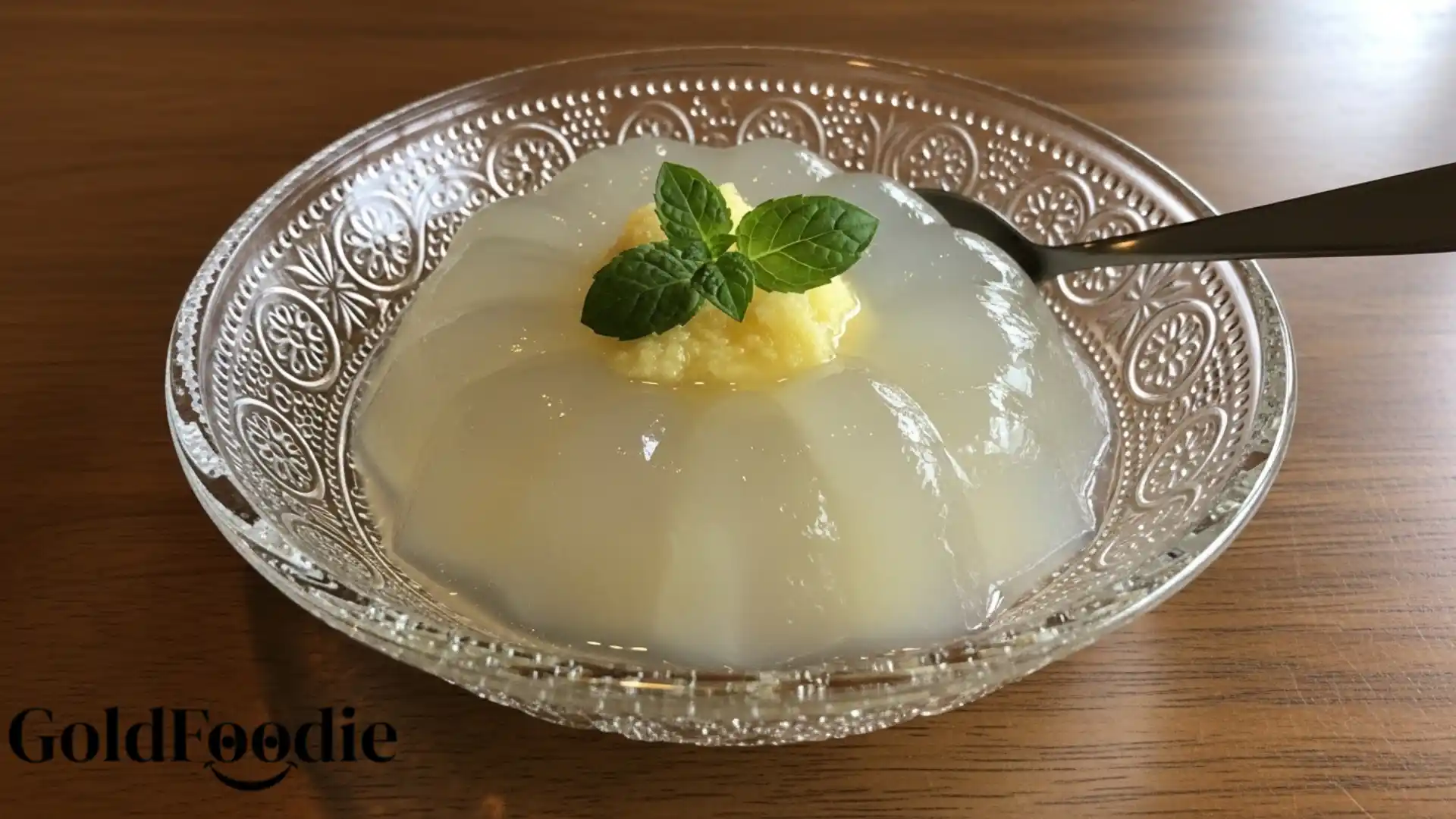
Welcome to a culinary journey that takes you to the heart of Northeastern Thailand. Today, we are exploring a truly unique dish called Gaeng Om. This isn’t quite a traditional curry, nor is it merely a soup; it’s a vibrant, aromatic herbal stew bursting with refreshing and spicy flavors. It embodies the rich, earthy tastes of Thai home cooking, perfect for sharing.
Table of Contents
Why You’ll Love This Gaeng Om Recipe
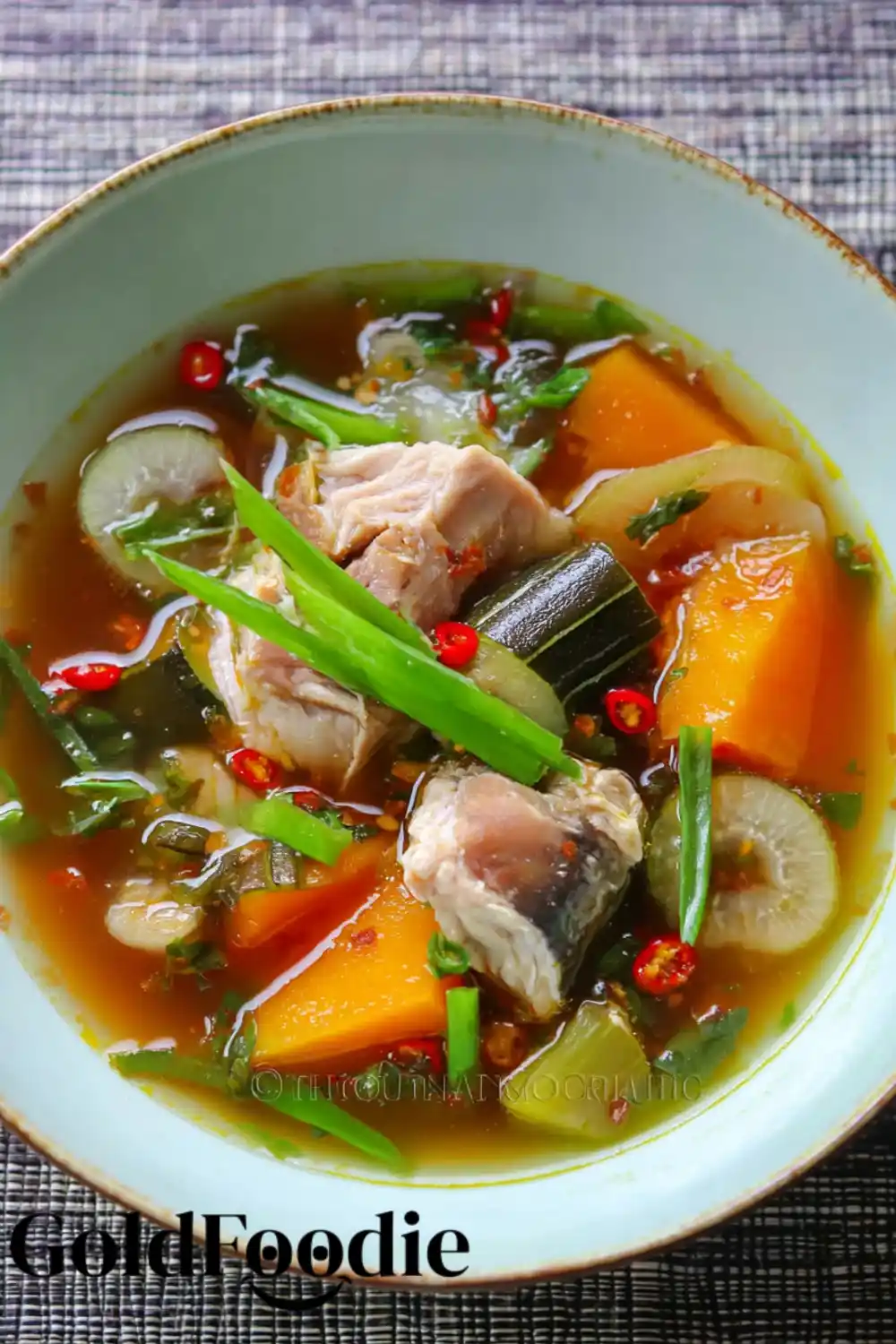
This delightful Gaeng Om offers a taste experience unlike any other. You will adore its complex, herby, and spicy profile, which is deeply flavorful and incredibly comforting. Traditionally, many view this dish as a cleansing tonic due to its abundance of fresh herbs and vegetables. It is incredibly versatile, allowing you to easily adapt it with different meats and your favorite seasonal vegetables. Our easy-to-follow steps ensure you achieve authentic results right in your own kitchen. This recipe is truly perfect for adventurous home cooks eager to explore new, exciting flavors.
Ingredients
Crafting a truly authentic Gaeng Om begins with fresh, quality ingredients. Each component plays a vital role in building the stew’s distinctive flavor profile.
For the Spice Paste:
- 2 stalks lemongrass, finely sliced
- 3 bird’s eye chilies, chopped (adjust to your heat preference)
- 4 cloves garlic, minced
- 1 one-inch knob galangal, minced
- 1 pair kaffir lime leaves, midrib removed, finely shredded
For the Stew:
- 2 tablespoons cooking oil
- Fish sauce, to taste
- 2 shallots, finely sliced
- Cooked pork belly (as much or as little as you like), cut into bite-size pieces
- 4 to 6 cups bone broth
- 3 cups cubed squash (e.g., kabocha or butternut)
- 3 cups eggplant wedges (e.g., Thai eggplant or Japanese eggplant)
- 1 handful Thai basil leaves
- Sliced scallions, to garnish
Notes & Substitutions
You have many options to personalize your Gaeng Om. While pork is traditional, feel free to use cooked chicken, beef, or even firm fish for a lighter version. Galangal is crucial for its unique peppery, citrusy, and slightly piney flavor, which differs significantly from ginger’s sweeter, happier notes.
You can also add other vegetables like bamboo shoots, yard-long beans, or mushrooms to the stew. Adjust the number of bird’s eye chilies to control the heat level. If you cannot find Thai basil, sweet basil can work in a pinch, though Thai basil offers a more distinct, anise-like aroma.
Equipment
You will need a few essential tools to prepare this delicious stew. For the spice paste, a traditional mortar and pestle works best for bruising the aromatics and releasing their oils, creating a more fragrant paste. Alternatively, a food processor offers a convenient and quicker way to achieve a fine paste. A large pot or wok with a lid is ideal for sautéing and simmering the stew. Don’t forget your cutting board and a sharp knife for ingredient preparation. Finally, a ladle will make serving your flavorful Gaeng Om easy.
How To Make Gaeng Om
Bringing this comforting Gaeng Om to life is a simple process, rooted in layering fresh flavors. Follow these steps for a heartwarming, authentic meal.

- Prepare the Spice Paste: Combine the sliced lemongrass, chopped bird’s eye chilies, minced garlic, minced galangal, and finely shredded kaffir lime leaves. Grind them together in a mortar and pestle until you achieve a coarse, fragrant paste. If using a food processor, pulse until well combined but not completely smooth.
- Sauté Aromatics: Heat the cooking oil in your large pot or wok over medium-low heat. Add the prepared spice paste. Sauté it gently for 2-3 minutes, stirring constantly. You will notice its color deepen, and the aromas will become wonderfully intense. Stir in a small splash of fish sauce to help develop the flavor.
- Add Shallots: Once the paste is fragrant, add the finely sliced shallots to the pot. Continue sautéing for another minute or until the shallots soften and become translucent. This adds a subtle sweetness and depth to the base of your Gaeng Om.
- Brown the Meat: Add the bite-sized pieces of cooked pork belly to the pan. Stir well to ensure the meat is evenly coated with the aromatic spice paste. Let it cook for a few minutes, allowing the flavors to meld beautifully.
- Simmer with Broth: Pour in the bone broth. The amount you add can depend on how soupy you prefer your stew. Season the broth with more fish sauce to taste; start with a tablespoon or two and adjust later. Bring the liquid to a gentle boil over medium heat.
- Add Squash: Once the stew is simmering, add the cubed squash. Stir it into the broth. Allow the liquid to return to a boil, then lower the heat, cover the pot, and simmer for five minutes. This gives the squash a head start on cooking.
- Introduce Eggplant and Basil: Carefully stir in the eggplant wedges and the fresh Thai basil leaves. The basil will wilt quickly and infuse the stew with its distinct aroma. Taste the broth again at this point and add more fish sauce if needed, ensuring the seasoning is just right.
- Final Simmer: Continue to simmer the stew, uncovered, for another seven to ten minutes. The goal is for both the eggplant and squash to become tender, but not mushy. They should still hold their shape. The broth will also reduce slightly, concentrating the flavors of your delicious Gaeng Om.
- Garnish and Serve: Just before serving, sprinkle in the sliced scallions. Give the stew a final gentle stir. Ladle your rich, aromatic Gaeng Om into bowls and serve it immediately while it’s warm and fragrant.
Pro Tips & Troubleshooting
Achieving the perfect spice paste texture is key to a flavorful Gaeng Om. When using a mortar and pestle, aim for a well-bruised, somewhat coarse paste, not a fine powder, to release maximum aromatics. Balancing flavors is crucial; continuously taste and adjust the fish sauce for saltiness and umami. For heat, remember you can always add more chilies or chili flakes later, but you cannot take them out.
Proper vegetable layering ensures even cooking; add harder vegetables like squash first, then softer ones like eggplant. Avoid overcrowding the pot, as this steams rather than simmers, hindering flavor development. If your stew is too bland, add more fish sauce and perhaps a squeeze of lime at the end. If it is too spicy, add more broth or a touch of coconut milk (though not traditional) to mellow the heat.
Serving, Storage & Variations
Serving Suggestions
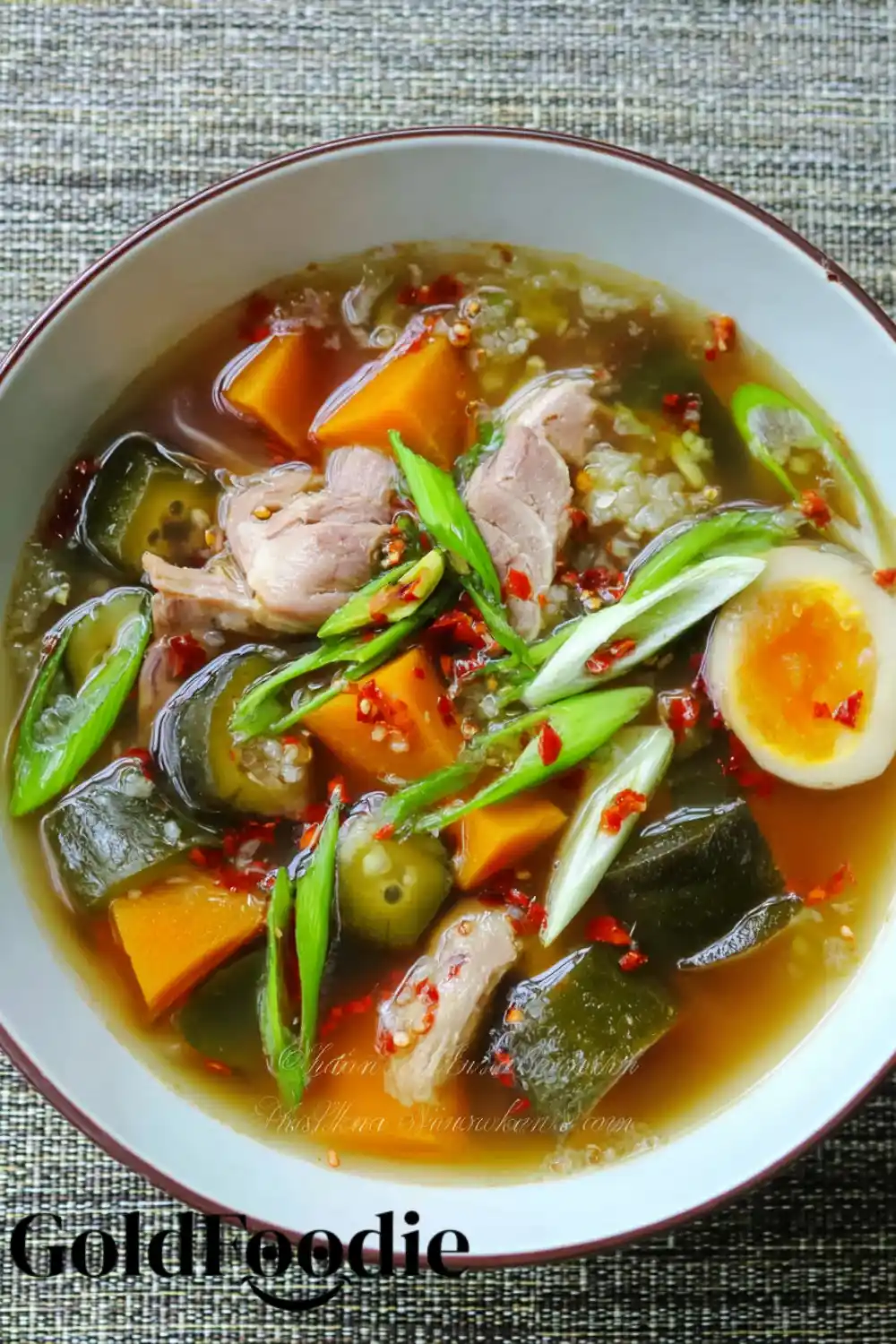
Serve your homemade Gaeng Om piping hot, traditionally alongside bowls of steamed sticky rice or fragrant jasmine rice to soak up all the delicious broth. It pairs wonderfully with other Northern Thai dishes like larb (minced meat salad) or grilled meats such as gai yang. This hearty, herbal stew can also be enjoyed as a flavorful standalone meal, perfect for a cozy evening.
Storage Instructions
Allow any leftover Gaeng Om to cool completely before transferring it to an airtight container. It will keep well in the refrigerator for 3-4 days, making it excellent for meal prepping. For longer storage, you can freeze the stew for up to two months. Thaw overnight in the refrigerator and gently reheat on the stovetop, adding a splash of broth if needed to restore its consistency.
Variations
Feel free to customize your Gaeng Om to suit your preferences.
- Meat: Instead of pork, try chicken, beef, fish, or even tofu or mushrooms for a delightful vegetarian version.
- Vegetables: Incorporate green beans, bamboo shoots, other mushrooms, or wedges of cabbage.
- Spice Level: Easily adjust the number of bird’s eye chilies to reach your desired level of heat.
- Herbs: For an extra layer of aroma, add fresh cilantro or sawtooth coriander just before serving.
Nutrition
The nutritional profile of Gaeng Om is quite appealing. This stew is rich in fresh herbs and a generous array of vegetables, providing essential vitamins, minerals, and fiber. It is a relatively lean and healthy dish, especially if you choose leaner cuts of meat or opt for plant-based proteins. Be mindful of the fish sauce content, as it can contribute to a higher sodium level. You can always adjust the amount of fish sauce to your personal taste and dietary needs, balancing flavor with health.
Frequently Asked Questions (FAQ)
What is Gaeng Om?
Gaeng Om is a unique, aromatic, and spicy Northern Thai herbal stew, distinctive from traditional Thai curries or soups. It features a rich blend of fresh herbs, vegetables, and meat, simmered in a flavorful broth.
Is Gaeng Om a curry or a soup?
It falls somewhere in between. While it has a broth-like consistency, it is much thicker and more robust than a typical soup. Its herbal paste base gives it a complexity beyond a simple broth.
What does Gaeng Om taste like?
It boasts a complex flavor profile: earthy, spicy, peppery from galangal, bright from lemongrass and kaffir lime, with a depth of umami from fish sauce. The fresh herbs add a refreshing, almost cleansing quality.
Can I make Gaeng Om vegetarian?
Absolutely! You can easily adapt this recipe by replacing pork with firm tofu, mushrooms, or even a mix of hearty vegetables. Use vegetable broth instead of bone broth for a complete vegetarian version.
Where can I find galangal and kaffir lime leaves?
You can typically find fresh galangal and kaffir lime leaves at Asian grocery stores. Some larger supermarkets with international sections may also carry them, often in the produce aisle.
How spicy is Gaeng Om traditionally?
Traditionally, Gaeng Om can be quite spicy, often featuring a generous amount of bird’s eye chilies. However, you can always adjust the chili content in the paste to suit your personal preference, making it mild or fiery.
Final Thoughts
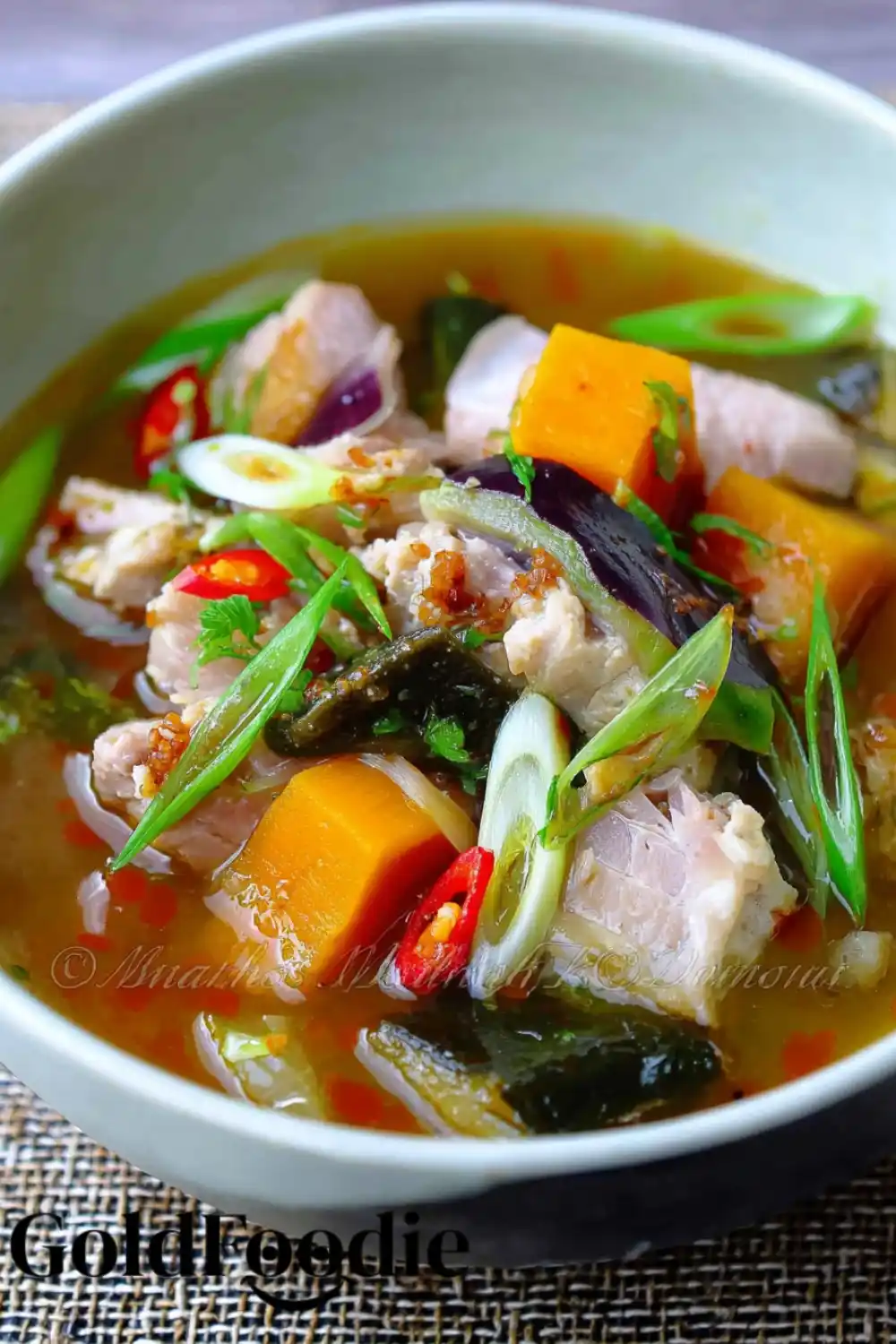
Creating and savoring this authentic Gaeng Om is a truly rewarding experience, offering a unique blend of flavors that are both comforting and exhilarating. Its distinctive herbal notes, coupled with a spicy kick, make it more than just a meal; it is a celebration of Northern Thai culinary tradition. We encourage you to try this versatile and deeply flavorful recipe. Bringing the comfort of Gaeng Om into your home kitchen allows you to create lasting memories around a simple, delicious dish.
Northern Thai cuisine, also known as Lanna cuisine, is characterized by its complex flavors and a distinct lack of coconut milk in many traditional dishes. Learn more about the characteristics of Northern Thai cuisine to deepen your understanding of this rich culinary tradition.
Authentic Gaeng Om Recipe
Ingredients
Equipment
Method
- Grind lemongrass, chilies, garlic, galangal, and kaffir lime leaves into a paste.
- Heat oil, then sauté the spice paste with a splash of fish sauce over medium-low heat.
- Once the paste darkens, add sliced shallots and continue sautéing for one minute.
- Add the pork to the pan and stir to coat it thoroughly with the spice paste.
- Pour in the bone broth, season with more fish sauce, and bring the mixture to a boil.
- Add the cubed squash, allow it to boil, then reduce heat, cover, and simmer for five minutes.
- Stir in the eggplant wedges and Thai basil leaves, tasting the broth to adjust fish sauce if needed.
- Simmer for another seven to ten minutes until both the eggplant and squash are tender.
- Sprinkle sliced scallions into the stew just before serving.
- Serve the gaeng om immediately and enjoy.
Notes

Hi there, I’m chef living in New York City. Every morning, I wake up to the sounds of my little one’s laughter and the comforting routine of preparing breakfast for my family my husband, our child, and my beloved mother, who’s become both my rock and my inspiration since my father passed away. As the only daughter left in our family, I feel a deep responsibility to carry on his memory whenever I step into the kitchen.
- Dominique

- Dominique
- Dominique
- Dominique