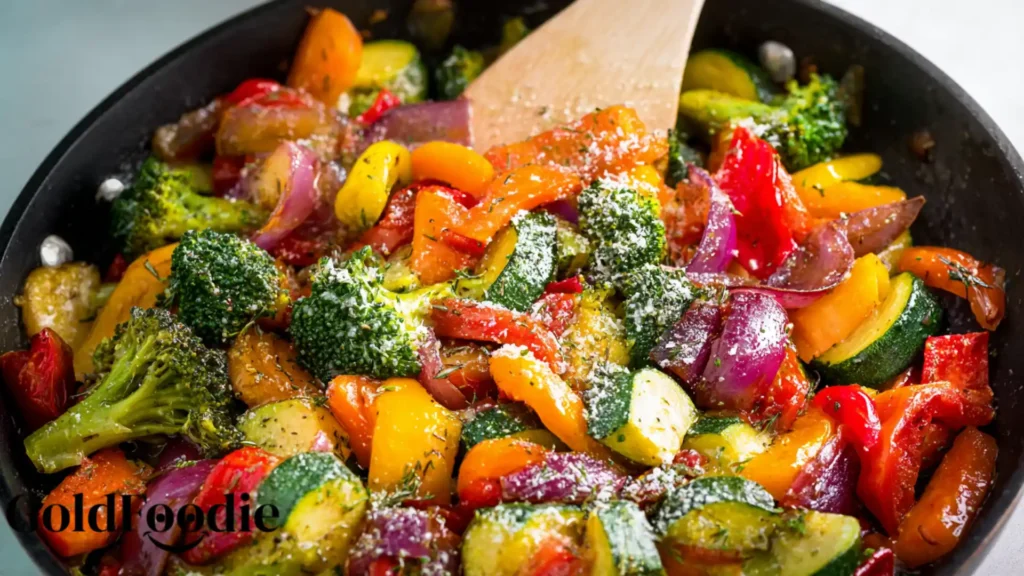
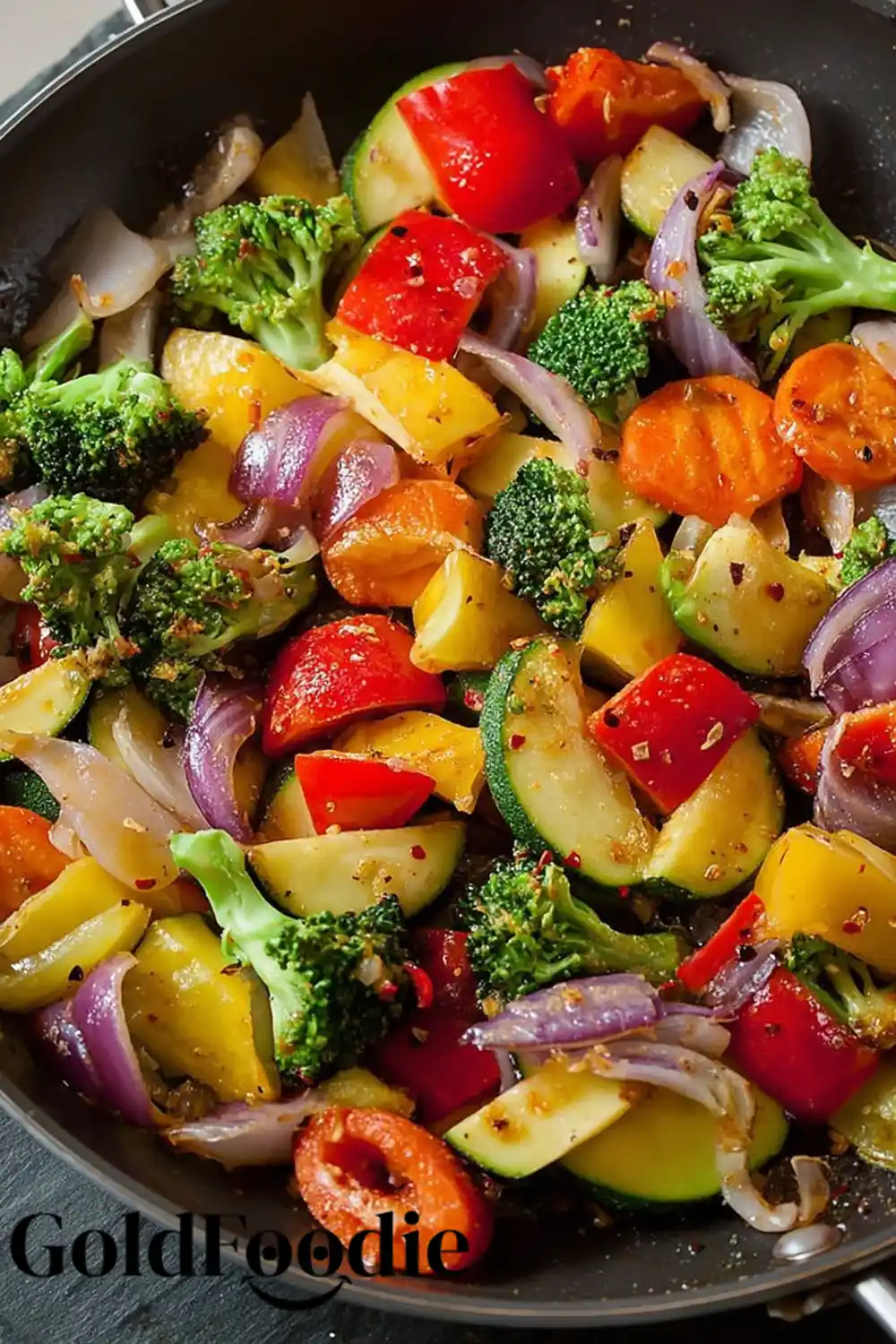
Embark on a culinary journey where flavor meets simplicity with our vibrant sautéed vegetables recipe. This dish is incredibly versatile, offering a fresh, healthy side that complements almost any meal. You can easily customize it with your favorite produce, making it a perfect quick solution for busy weeknights. Get ready to transform everyday vegetables into a delicious masterpiece your whole family will love.
Table of Contents
Why You’ll Love These Sautéed Vegetables
These sautéed vegetables are a true kitchen hero, designed to bring joy and ease to your cooking.
- They come together in about 20 minutes, perfect for quick weeknight meals.
- You’ll achieve delicious flavor from the gentle browning and thoughtful seasonings.
- The recipe is incredibly versatile, pairing beautifully with diverse main courses.
- It’s packed with nutrients, offering a healthy boost to your daily intake.
- This method makes preparing vegetables simple and stress-free for any home cook.
Ingredients
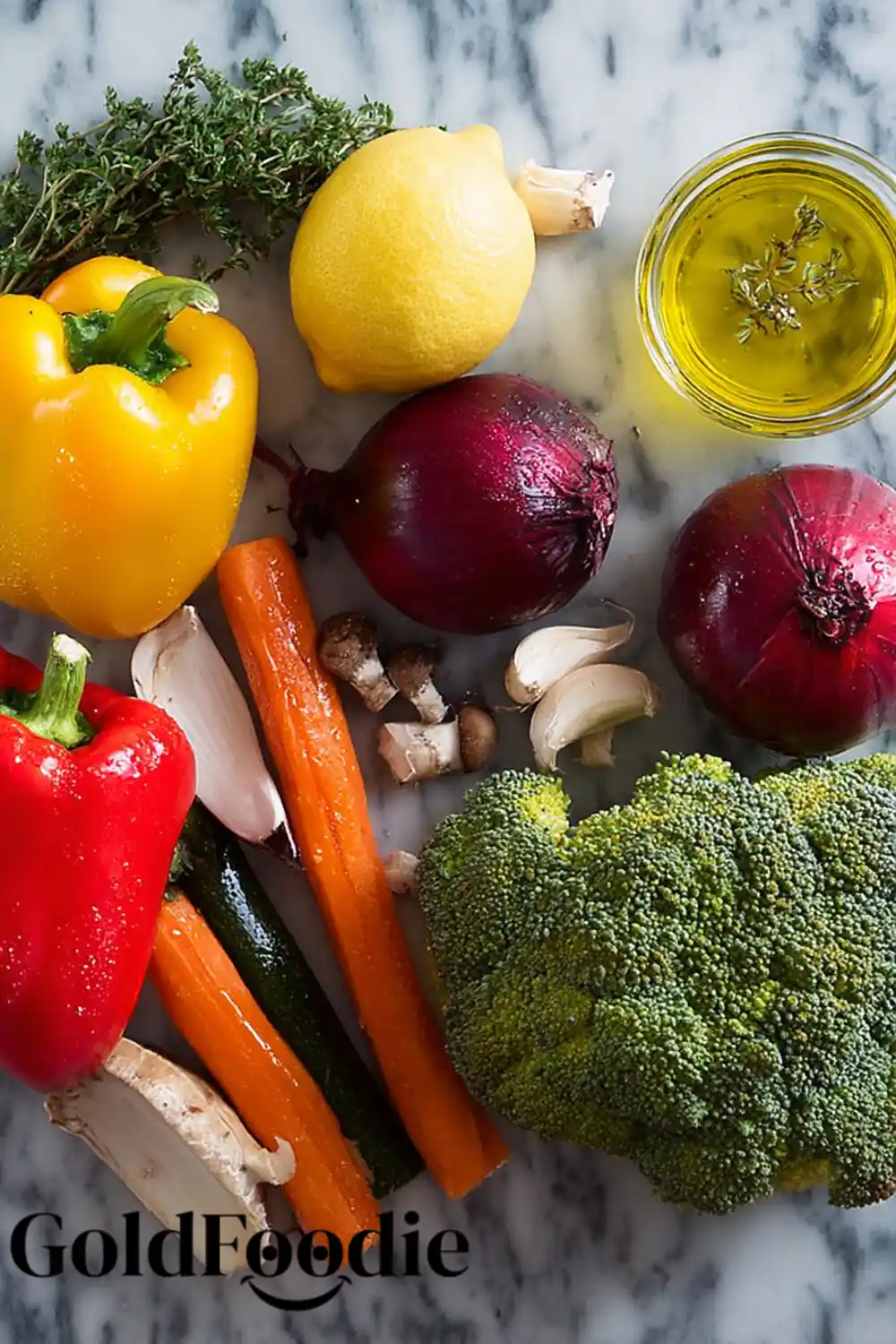
Gather these fresh, wholesome ingredients to create your next favorite side dish. These items come together harmoniously, ensuring every bite of our sautéed vegetables is bursting with flavor.
- 3 Tbsp olive oil
- 1 medium red bell pepper, chopped
- 2 medium carrots, peeled and sliced fairly thin (1 cup)
- 1/2 medium red onion, chopped (1 cup)
- 2 1/2 cups broccoli florets (cut into bite size pieces)
- 1 medium yellow squash, thick portion halved, all sliced
- 1 1/2 tsp minced garlic
- 1 1/2 tsp fresh thyme leaves
- Salt and freshly ground black pepper
- 2 Tbsp chopped fresh parsley
- 1 1/2 tsp fresh lemon juice
- 1/4 cup grated parmesan cheese, optional, for serving
Notes & Substitutions
Always choose the freshest vegetables you can find for the best texture and flavor in your quick-cooked vegetables. Look for crisp, vibrant produce without blemishes. If olive oil isn’t your preference, avocado oil or even coconut oil can work well for this technique.
For herbs, you can substitute dried thyme if fresh isn’t available; use 1/2 teaspoon of dried thyme for every 1 1/2 teaspoons of fresh. Feel free to experiment with other seasonings like a pinch of smoked paprika, onion powder, or a dash of chili flakes for a subtle kick.
Equipment
You don’t need many special tools to create perfect sautéed vegetables. A large 12-inch skillet is essential for even cooking and browning. Gather a sturdy cutting board and a sharp knife for efficient vegetable preparation. You’ll also need measuring spoons and cups for accuracy.
How To Make Sautéed Vegetables
Creating these delicious sautéed vegetables is a straightforward process, perfect for anyone looking to add more fresh produce to their table. Follow these steps for tender, flavorful results every time.
First, wash all your vegetables thoroughly. Then, chop the bell pepper and red onion into uniform, bite-sized pieces. Peel and slice the carrots thinly, and cut the broccoli into small florets. Halve the thick portion of the yellow squash, then slice it into even rounds. Consistent sizing ensures everything cooks evenly.
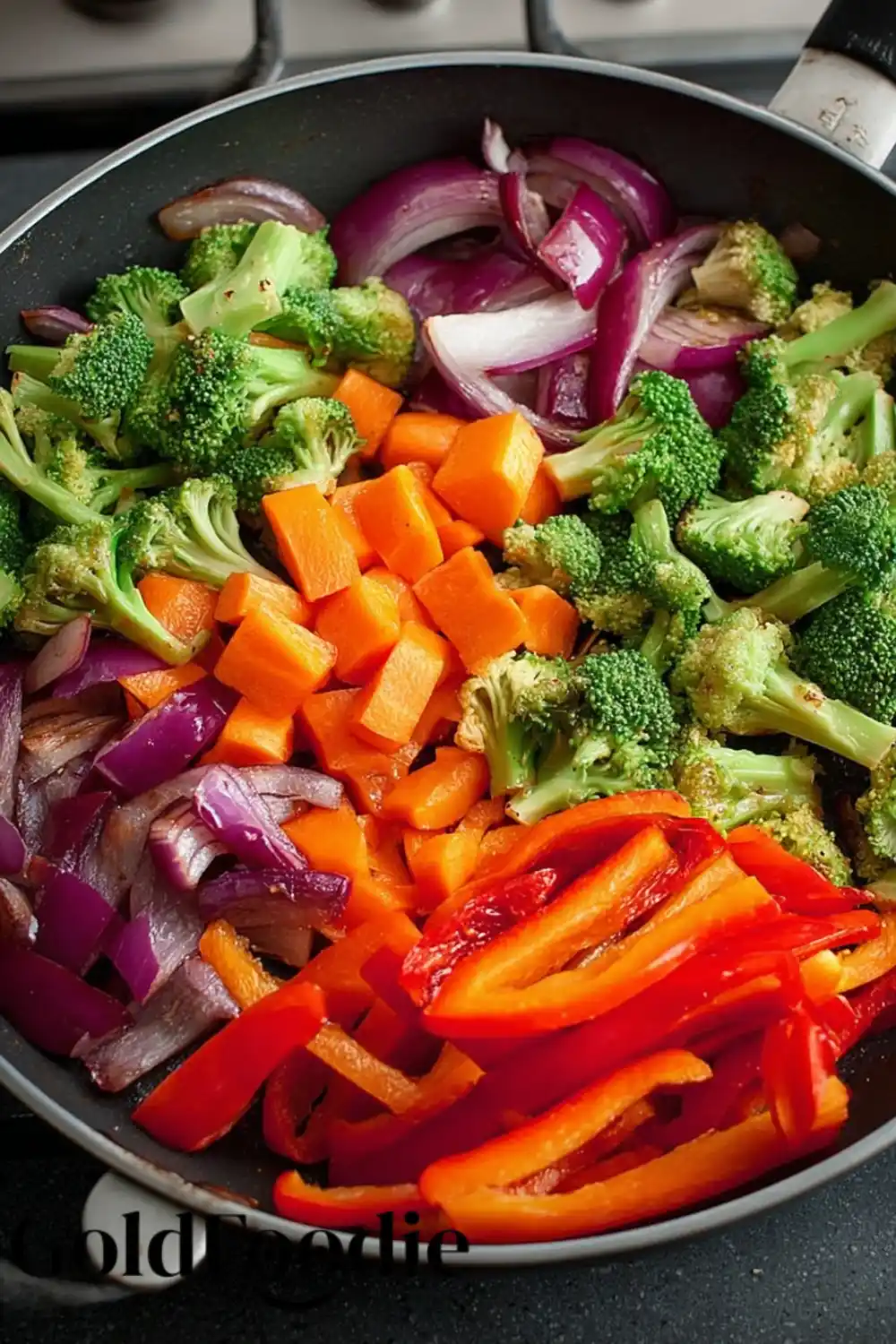
Step 1: Heat Oil. Place a 12-inch skillet over medium-high heat. Add the 3 tablespoons of olive oil and let it warm up until it shimmers slightly. This initial heat is crucial for achieving a beautiful sear.
Step 2: Sauté Harder Veggies. Carefully add the chopped bell pepper, carrots, red onion, and broccoli florets to the hot skillet. These harder vegetables require a bit more time to cook through and develop flavor.
Step 3: Continue Sautéing. Cook these initial vegetables for about 4 minutes. Resist the urge to toss them constantly; allow them to sit undisturbed for periods to achieve slight browning and caramelization on their surfaces.
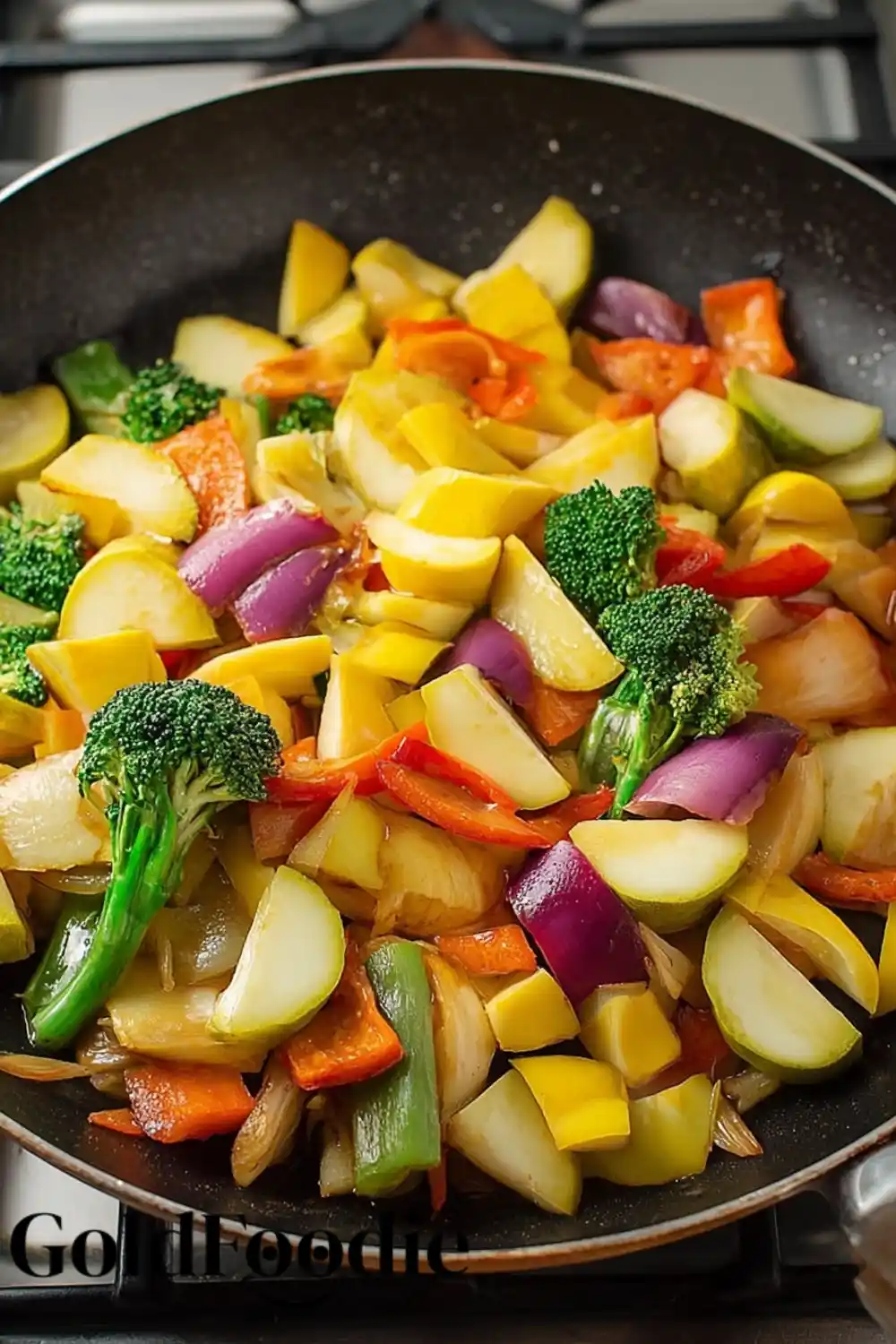
Step 4: Add Softer Veggies. Introduce the sliced yellow squash to the pan. Squash cooks faster, so adding it later prevents it from becoming overly soft or mushy.
Step 5: Finish Cooking. Sauté for another 3 minutes with the squash. Then, toss in the minced garlic and fresh thyme leaves. Season generously with salt and freshly ground black pepper to taste. Continue to sauté for an additional 2 minutes.
Step 6: Cook Until Tender-Crisp. Keep cooking until all the vegetables are just tender, but still retain a pleasant crispness. Overcooking can lead to soft, unappealing results.
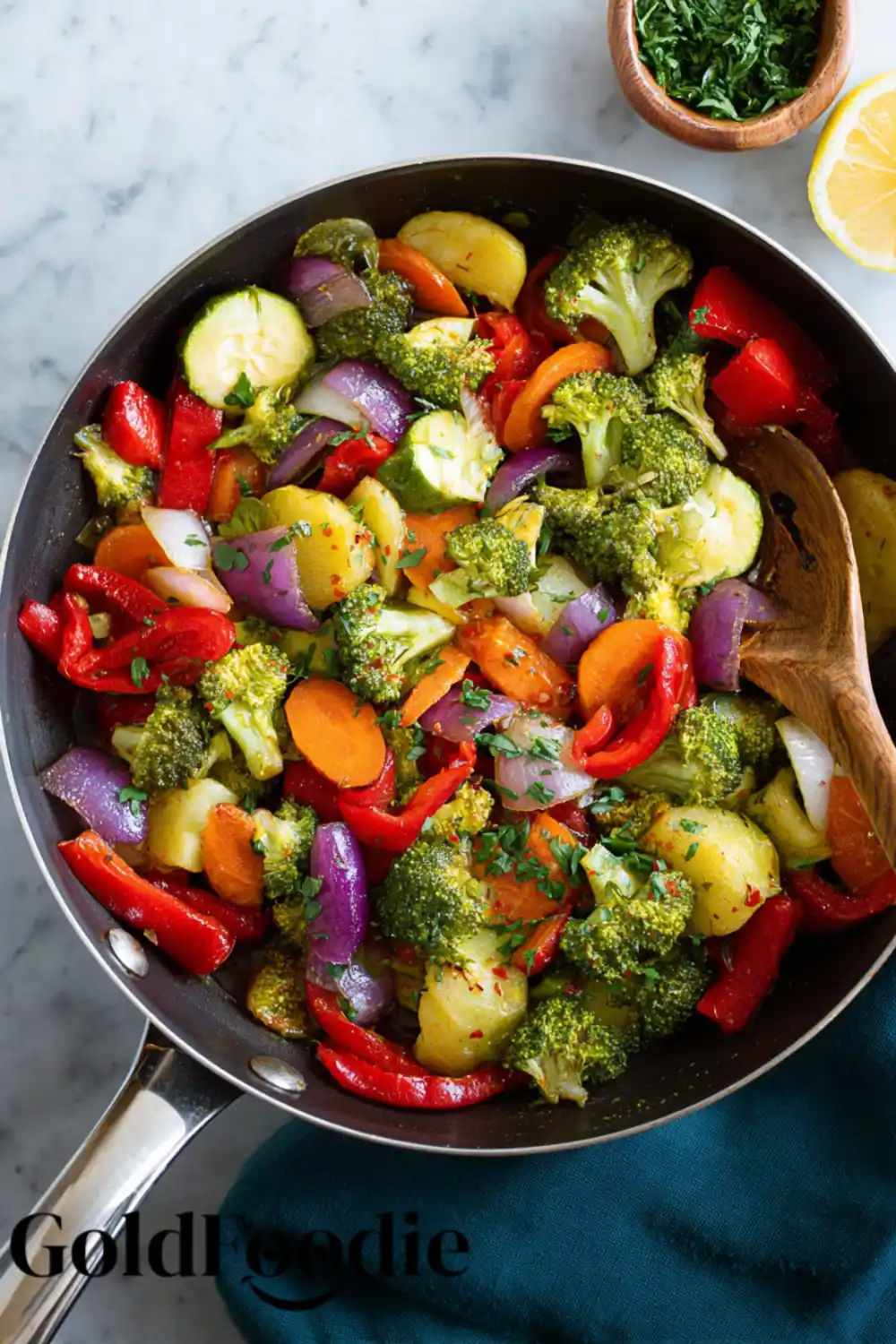
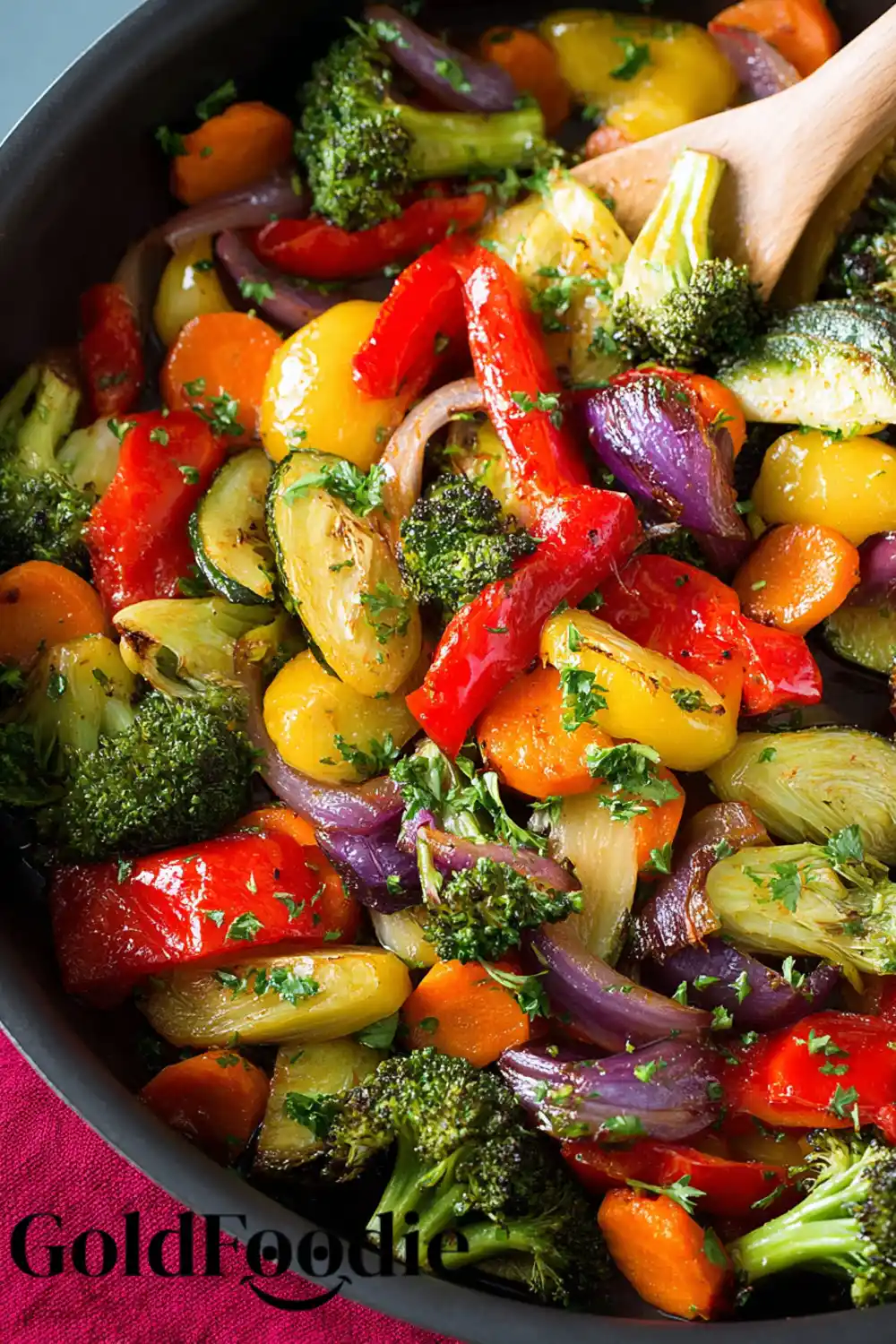
Step 7: Garnish & Serve. Remove the skillet from the heat. Stir in the chopped fresh parsley and fresh lemon juice. Give everything a final toss to combine the flavors. Serve your amazing sautéed vegetables immediately, perhaps with an optional sprinkle of grated parmesan cheese.
Pro Tips & Troubleshooting
Achieving perfectly cooked sautéed vegetables is all about technique. To get that desirable browning and develop rich flavors, ensure your pan is hot enough and avoid overcrowding. Less tossing allows the vegetables to make consistent contact with the hot surface, promoting caramelization.
To prevent your vegetables from getting mushy, cook them in stages. Always add harder vegetables like carrots and broccoli first, then introduce softer ones like squash or mushrooms later in the process.
Don’t be shy with your seasonings. Good quality salt, freshly ground pepper, garlic, and fresh herbs are vital for enhancing the natural sweetness of the vegetables. Using enough oil is also crucial; it helps conduct heat evenly and contributes to the browning, preventing sticking. Lastly, for the best texture and vibrant results, always opt for fresh over frozen vegetables when making pan-fried vegetables.
Serving Suggestions, Storage, & Variations
These versatile sautéed vegetables can elevate any meal.
Serving Suggestions
Pair these flavorful pan-cooked vegetables as a delightful side with grilled chicken, baked fish, or a juicy steak. You can also mix them into pasta dishes, stir them into quinoa, or create vibrant rice bowls for a complete meal. They even make a light, healthy meal all on their own.
Storage Instructions
Allow any leftover cooked vegetables to cool completely before transferring them to an airtight container. Store them in the refrigerator for up to 3-4 days. To reheat, gently warm them in a skillet over medium heat or in the microwave until just heated through.
Variations
Easily adapt this recipe to your preferences.
- Vegetable Swaps: Experiment with asparagus, zucchini, mushrooms, or cauliflower.
- Herb & Spice Blends: Try Italian seasoning, a pinch of cumin for a Mexican flair, or ginger and soy sauce for an Asian twist.
- Cheese Options: Beyond parmesan, crumbled feta or goat cheese adds a tangy creaminess.
- Adding Protein: Stir in cooked chickpeas, cannellini beans, or pre-cooked chicken for a more substantial dish.
Nutrition Information
This recipe for sautéed vegetables offers a healthy and flavorful addition to your diet. The nutrient content below is estimated per serving and can vary based on specific ingredient brands and preparation methods.
| Name | Value |
|---|---|
| Calories | 195 kcal |
| Fat | 13g |
| Saturated Fat | 3g |
| Polyunsaturated Fat | 1g |
| Monounsaturated Fat | 8g |
| Cholesterol | 5mg |
| Sodium | 163mg |
| Potassium | 609mg |
| Carbohydrates | 16g |
| Fiber | 5g |
| Sugar | 7g |
| Protein | 6g |
| Vitamin A | 7679IU |
| Vitamin C | 124mg |
| Calcium | 157mg |
| Iron | 2mg |
Please note: Nutritional information is an estimate based on the ingredients listed and may vary.
Frequently Asked Questions (FAQ)
What is the best oil for sautéing vegetables?
Olive oil is an excellent choice for its flavor and medium-high smoke point. Avocado oil is another great option, especially for higher heat cooking.
How do you keep sautéed vegetables from getting mushy?
Use high heat and cook your vegetables in stages, starting with harder ones first. Also, avoid overcrowding the pan, which can steam rather than sauté your produce.
Can I use frozen vegetables?
Yes, you can use frozen vegetables, but fresh is generally preferred for the best texture. Thaw frozen vegetables first and pat them dry to remove excess moisture before adding to the hot pan.
Should I add water or broth when sautéing?
Generally no, adding liquid inhibits browning and can lead to steamed rather than truly sautéed vegetables. Sautéing relies on direct heat and oil for caramelization.
How do I get good browning on my vegetables?
Achieve good browning by using medium-high heat and enough oil. Crucially, avoid constantly tossing the vegetables; let them sit undisturbed in the pan for periods to develop a sear.
Final Thoughts
Creating delicious sautéed vegetables is an easy and rewarding way to add vibrant flavors and essential nutrients to your family’s meals. This recipe proves that simple cooking can yield incredible results, bringing a fresh, healthy side dish to your table in minutes. Embrace the joy of simple cooking and feel empowered to nourish your loved ones. We encourage you to try this versatile dish soon – share it, rate it, and most importantly, enjoy every flavorful bite!
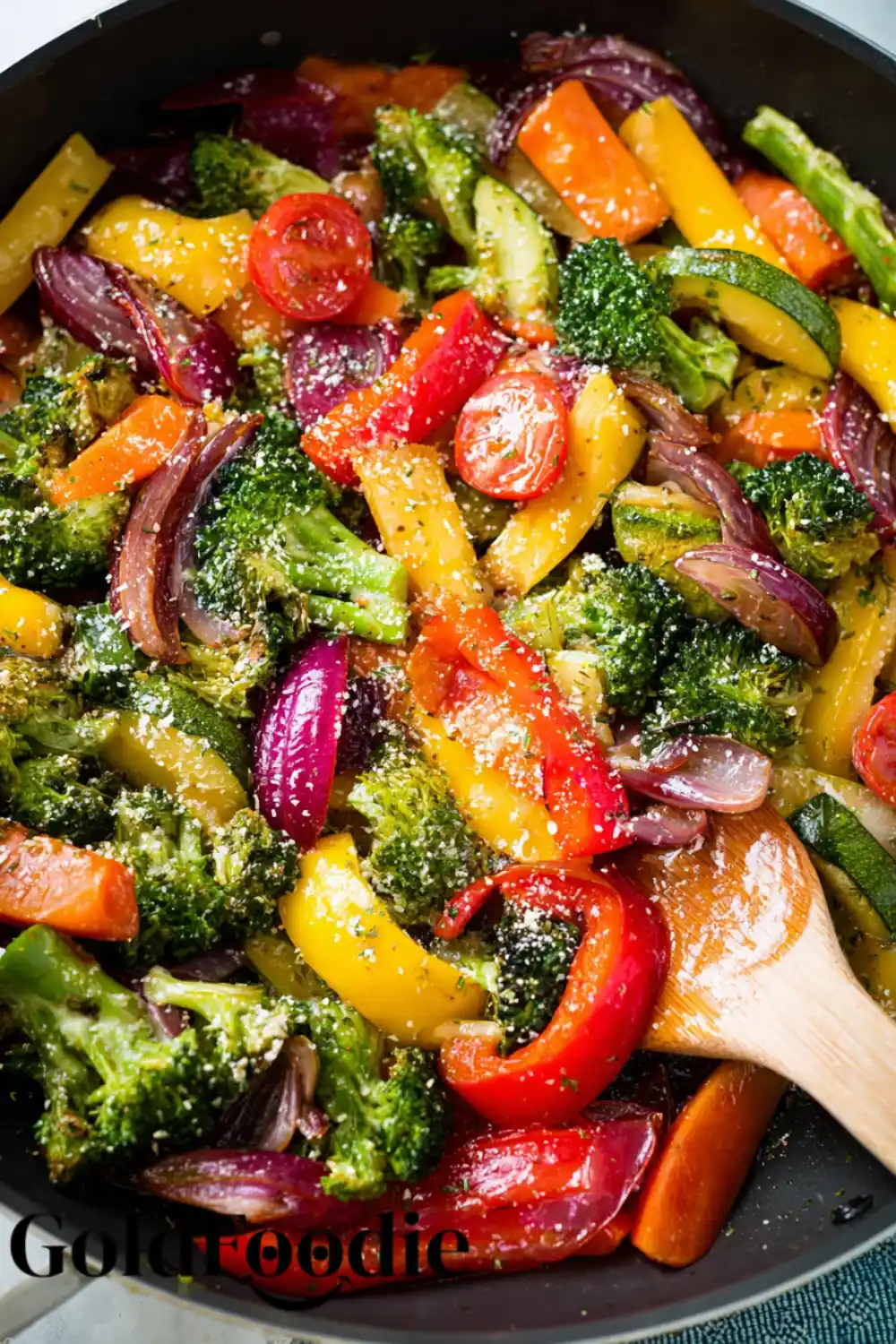
Flavorful Sautéed Vegetables: Your Go-To Quick & Healthy Side Dish
Ingredients
Equipment
Method
- Heat olive oil in a 12-inch skillet over medium-high heat.
- Add bell pepper, carrots, onion, and broccoli to the skillet and sauté for 4 minutes, tossing occasionally to allow slight browning.
- Incorporate the sliced yellow squash and continue to sauté for another 3 minutes.
- Stir in the minced garlic and fresh thyme, then season with salt and pepper to taste; cook for 2 minutes until the vegetables are just tender.
- Finish by sprinkling with fresh parsley and lemon juice, toss well, and serve, optionally with grated parmesan cheese.
Notes

Hi there, I’m chef living in New York City. Every morning, I wake up to the sounds of my little one’s laughter and the comforting routine of preparing breakfast for my family my husband, our child, and my beloved mother, who’s become both my rock and my inspiration since my father passed away. As the only daughter left in our family, I feel a deep responsibility to carry on his memory whenever I step into the kitchen.
- Dominique

- Dominique
- Dominique
- Dominique